Request an Appointment

What Are The 3 Stages of Dental Implants?
Dental implants have revolutionized the field of dentistry, providing a permanent solution for missing teeth that looks, feels, and functions like natural teeth. For those considering dental implants in Carrollton, understanding the process can alleviate anxiety and prepare you for the journey ahead. In this comprehensive guide, we’ll walk you through the three stages of dental implants, ensuring you know what to expect at each step.
Introduction to Dental Implants
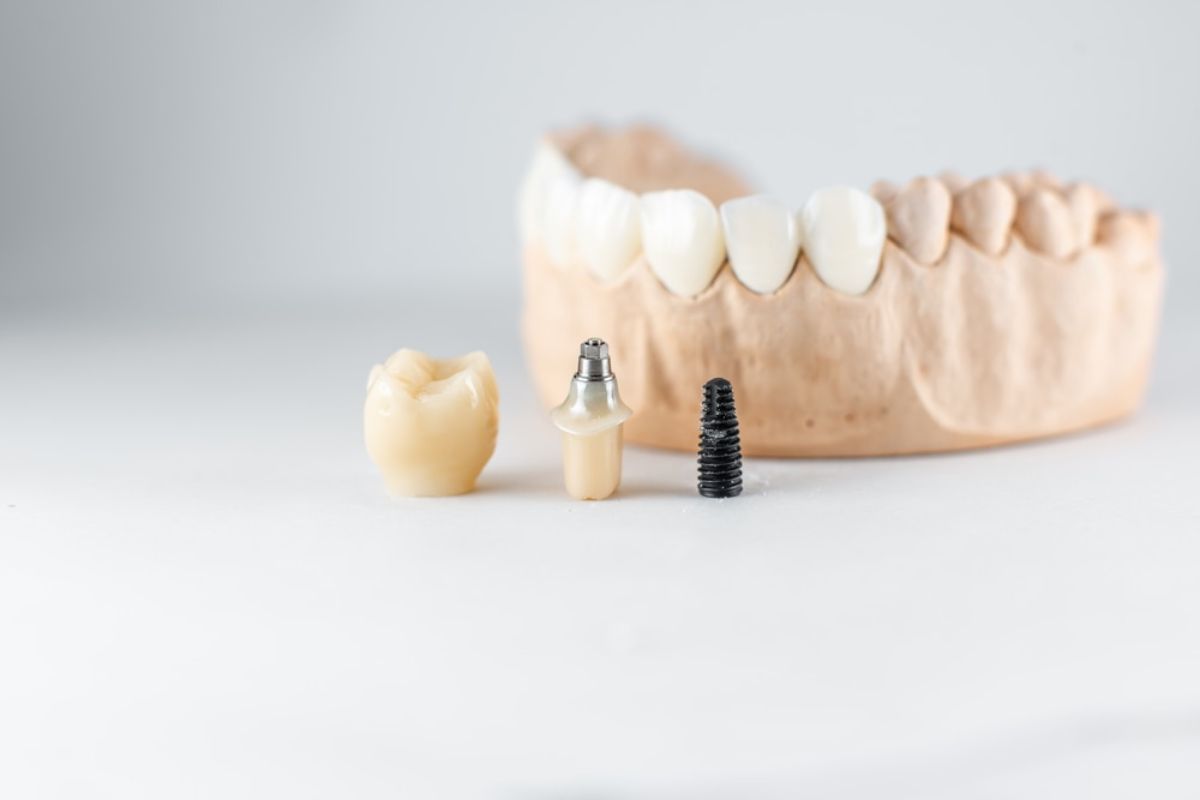
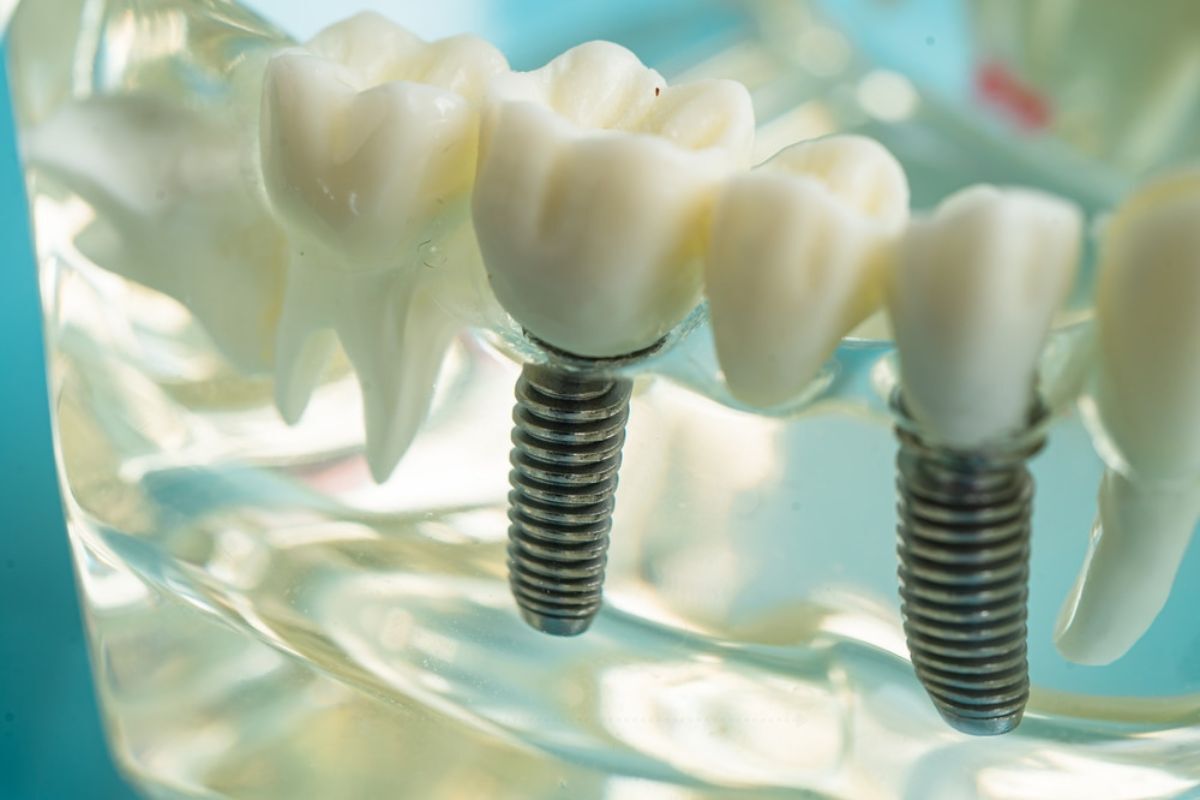
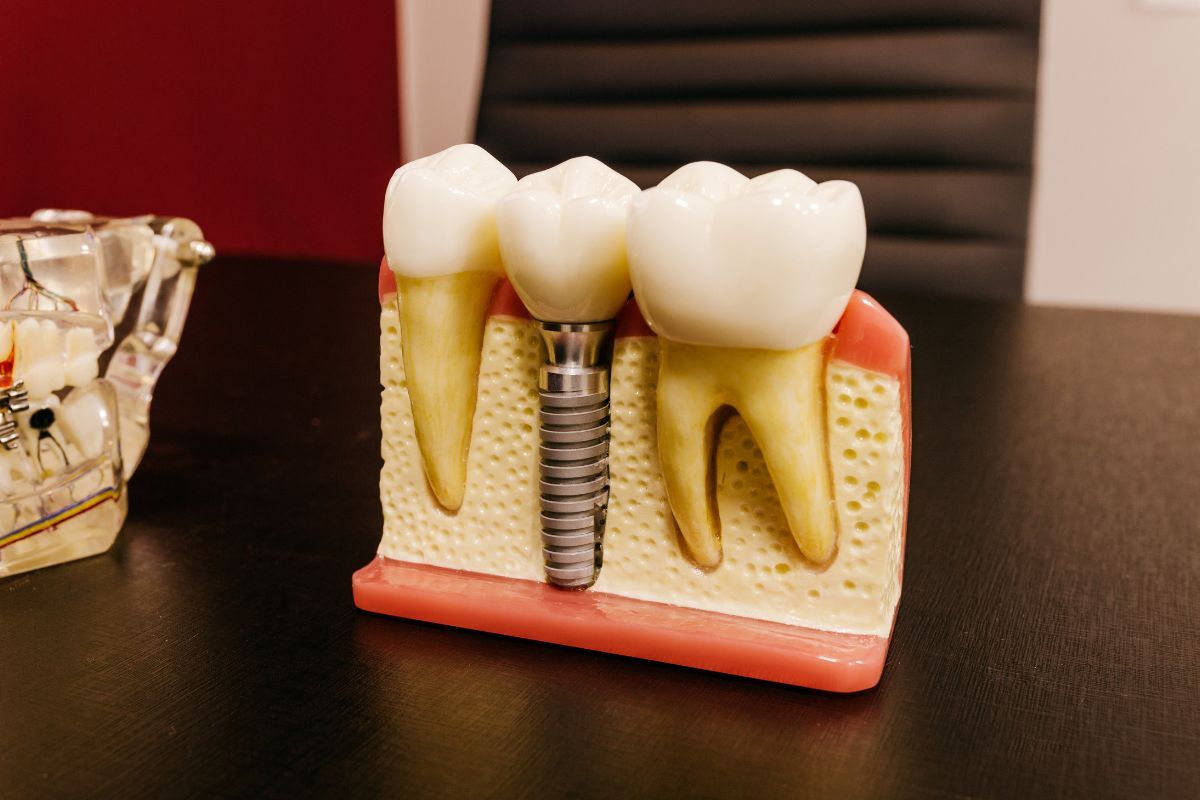
Before diving into the stages, it’s essential to understand what dental implants are. Dental implants are artificial tooth roots, typically made of titanium or zirconia, that provide a strong foundation for fixed or removable replacement teeth. They are designed to fuse with your jawbone, ensuring they remain stable and secure.
According to the American Academy of Implant Dentistry, over 3 million people in the U.S. have dental implants, with that number growing by about 500,000 annually. If you’re considering joining this growing number, let’s explore the three critical stages of dental implants.
Stage 1: Consultation and Planning
Initial Consultation
The first stage of getting dental implants involves a thorough consultation with your Dentist in Carrollton. During this visit, the dentist will evaluate your oral health, discuss your medical history, and determine if you are a suitable candidate for dental implants.
Diagnostic Tests
To develop a precise treatment plan, your dentist will conduct several diagnostic tests. These may include:
- X-rays: To assess the health of your jawbone and surrounding structures.
- CT Scans: For a detailed 3D image of your jaw, ensuring accurate placement of the implant.
- Dental Impressions: To create a model of your teeth and bite.
Treatment Planning
Based on the diagnostic results, your Dental Implants Carrollton specialist will create a personalized treatment plan. This plan outlines the number of implants needed, the type of implants (titanium or zirconia), and the timeline for the procedure.
Stage 2: Surgical Procedure
Preparation
Before the surgery, you may receive instructions to follow, such as:
- Fasting for a few hours if general anesthesia is used.
- Arranging for someone to drive you home post-surgery.
Implant Placement
The surgical stage is where the actual implant placement occurs. This stage involves several steps:
- Anesthesia: Local anesthesia or sedation is administered to ensure you are comfortable during the procedure.
- Incision: The dentist makes an incision in your gum to expose the jawbone.
- Drilling: A hole is drilled into the jawbone where the implant will be placed.
- Implant Placement: The titanium or zirconia implant is inserted into the drilled hole.
- Suture: The gum is stitched back together over the implant.
Healing and Osseointegration
After the implant is placed, a healing period of 3 to 6 months is necessary. During this time, a process called osseointegration occurs, where the jawbone grows around the implant, anchoring it firmly in place. Osseointegration is crucial for the stability and success of the implant.
Stage 3: Placement of the Abutment and Crown
Abutment Placement
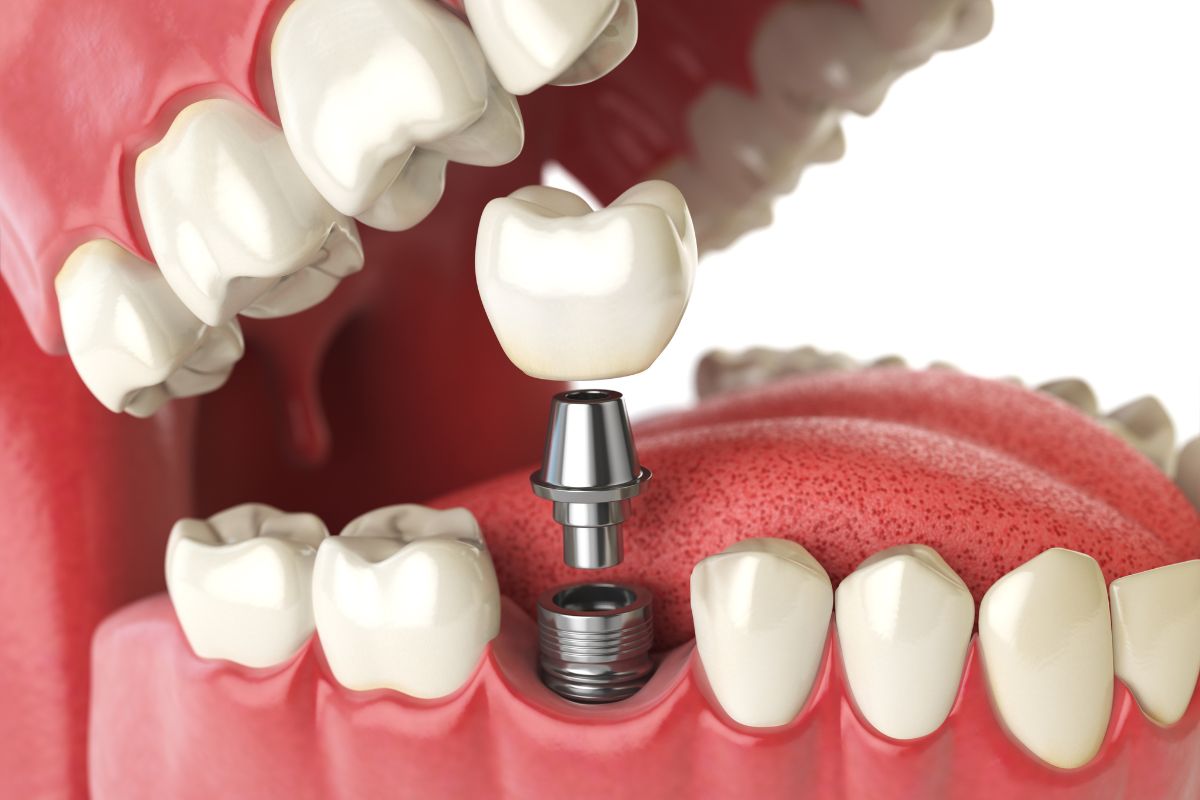
Once the implant has successfully integrated with the jawbone, the next step is to place the abutment. This involves:
- Reopening the gum to expose the implant.
- Attaching the abutment, a small connector post, to the implant.
- Allowing the gum to heal around the abutment, which typically takes a couple of weeks.
Crown Placement
The final step in the dental implant process is the placement of the custom-made crown. This step involves:
- Impression Taking: Making impressions of your teeth to create a crown that matches the color, size, and shape of your natural teeth.
- Crown Fabrication: The impressions are sent to a dental lab, where the crown is crafted.
- Crown Attachment: Once the crown is ready, it is attached to the abutment, completing the restoration.
Post-Procedure Care
After the crown is placed, your Carrollton Dentist will provide you with care instructions to ensure the longevity of your implant. These instructions may include:
- Maintaining excellent oral hygiene by brushing and flossing regularly.
- Avoiding hard or sticky foods that can damage the implant.
- Scheduling regular dental check-ups to monitor the implant’s condition.
Success Rates and Longevity
Dental implants boast a high success rate, with studies showing a success rate of up to 98%. With proper care, dental implants can last a lifetime, making them a worthwhile investment for many individuals.
According to the American Dental Association, the success rate of implants varies depending on their location in the jaw, with the front lower jaw implants having the highest success rates. Your Implant Dentist Carrollton will provide personalized advice to maximize the success of your implants.
Conclusion
Understanding the three stages of dental implants can help demystify the process and set realistic expectations. From the initial consultation and planning to the surgical procedure and final crown placement, each stage is crucial for achieving a successful and long-lasting result.
If you’re considering dental implants in Carrollton, don’t hesitate to reach out to your Dentist in Carrollton for a consultation. With the right care and expertise, you can restore your smile and enjoy the benefits of dental implants for years to come.