Request an Appointment

Root Canal Unveiled: The Life-Saving Procedure Your Smile Needs
Root canals often get a bad rap, conjuring images of pain and discomfort. However, the reality is quite the opposite. Root canal therapy is a smile-saving solution designed to alleviate pain, preserve your natural teeth, and restore oral health. In this blog, we’ll break down the root canal process, debunk common myths, and explain why this procedure is essential for your dental health.
What Is a Root Canal?
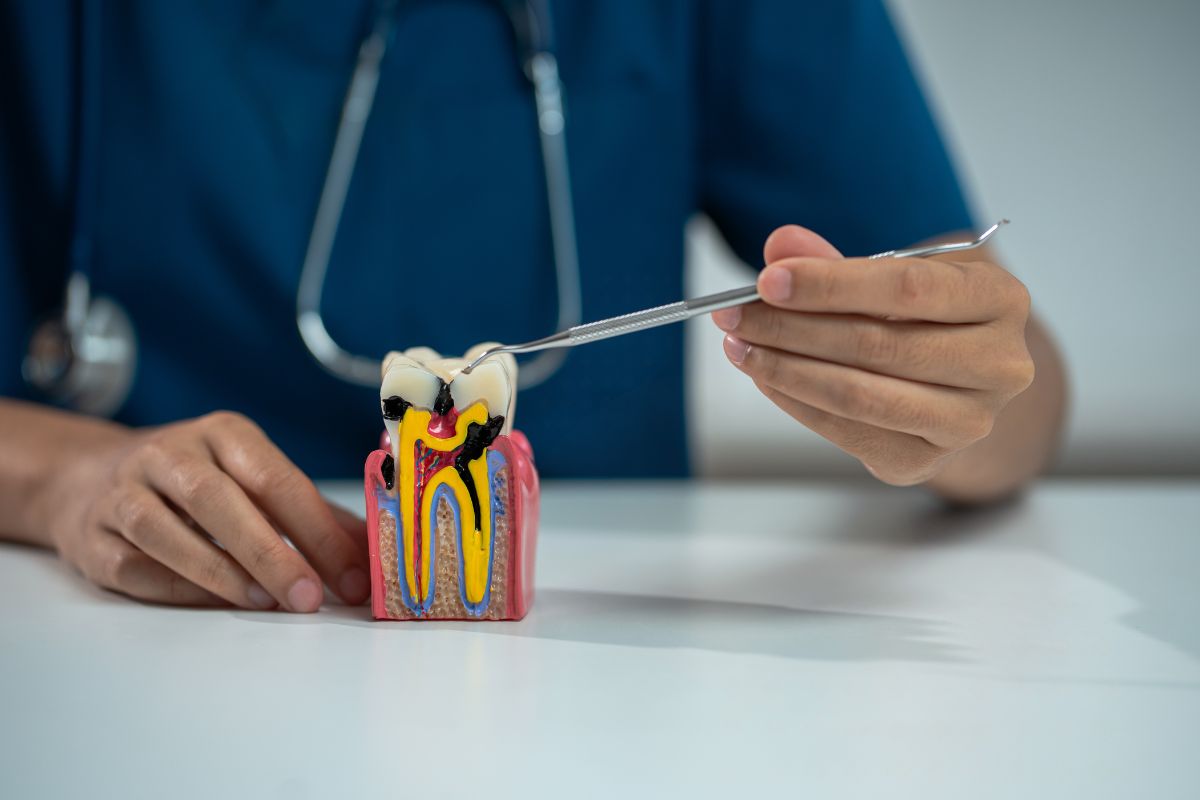
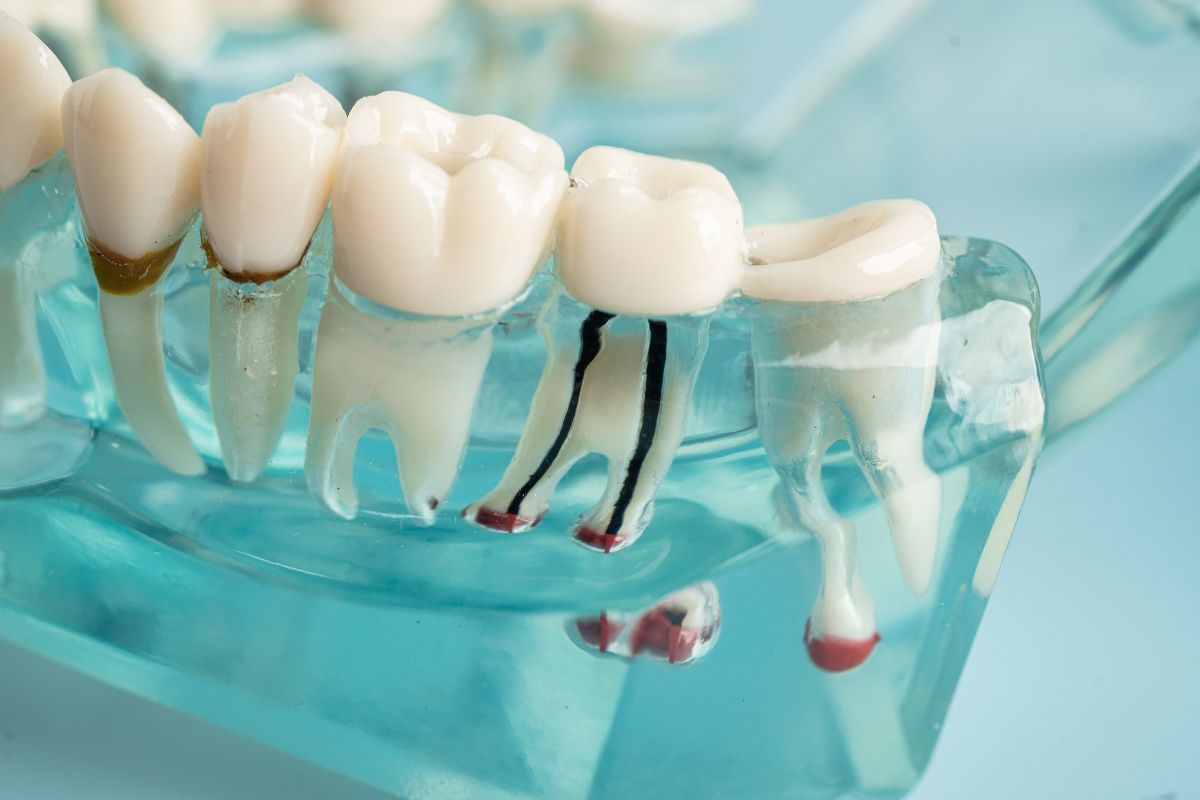
A root canal is a dental procedure used to treat infection or damage within the tooth’s pulp, the innermost part containing nerves and blood vessels. When the pulp becomes infected or injured, it can cause severe pain, and swelling, and even lead to abscesses if left untreated. The root canal procedure removes the infected pulp, cleans the inside of the tooth, and seals it to prevent further infection.
Key Data Point: Success Rate of Root Canals
According to the American Association of Endodontists, root canals have a high success rate, with over 95% of treated teeth surviving for many years, often for a lifetime, with proper care.
Why Do You Need a Root Canal?
There are several reasons why a dentist might recommend a root canal:
- Severe Tooth Decay: When cavities are left untreated, they can reach the tooth’s pulp, leading to infection.
- Trauma or Injury: A cracked or chipped tooth can expose the pulp to bacteria, resulting in infection.
- Repeated Dental Procedures: Multiple dental procedures on a single tooth can irritate the pulp and necessitate a root canal.
- Deep Infection: An infection that has reached the pulp can cause abscesses, severe pain, and swelling.
Symptoms Indicating the Need for a Root Canal
- Persistent toothache
- Sensitivity to hot or cold, even after the source is removed
- Swollen or tender gums
- Darkening of the tooth
- A recurring pimple on the gums
The Root Canal Procedure: What to Expect
1. Diagnosis and Preparation
Your dentist will begin with a thorough examination, often including X-rays, to assess the extent of the infection. If a root canal is necessary, they will explain the procedure and answer any questions you may have.
2. Numbing the Area
Contrary to popular belief, a root canal is not painful. It’s designed to relieve pain. Your dentist will use a local anesthetic to numb the affected area, ensuring that you’re comfortable throughout the procedure.
3. Cleaning the Pulp Chamber and Canals
The dentist will create an opening in the crown of the tooth to access the pulp chamber. Using small instruments, they will carefully remove the infected or damaged pulp and clean the inside of the tooth, including the root canals.
4. Filling and Sealing
After cleaning, the dentist will fill the empty canals with a rubber-like material called gutta-percha. The tooth is then sealed with a temporary or permanent filling to prevent bacteria from re-entering.
5. Restoration
In most cases, a tooth that has undergone a root canal will need a crown to restore its strength and appearance. Your dentist will take impressions of your tooth to create a custom crown, which will be placed during a follow-up visit.
Common Myths About Root Canals: Debunked
Myth 1: Root Canals Are Painful
Thanks to modern techniques and anesthesia, a root canal is no more uncomfortable than getting a filling. The procedure alleviates the pain caused by the infection.
Myth 2: Extraction Is Better Than a Root Canal
While extraction is an option, preserving your natural tooth is always preferable. A root canal allows you to keep your tooth and avoid the complications associated with tooth loss, such as shifting teeth and jawbone deterioration.
Myth 3: Root Canals Cause Illness
This myth stems from outdated and disproven research. Root canals are safe and effective; they don’t cause illness or contribute to other health problems.
Recovery and Aftercare: Tips for a Smooth Healing Process
After a root canal, some tenderness is normal, but this can usually be managed with over-the-counter pain relievers. Here’s how to ensure a smooth recovery:
- Avoid Chewing on the Treated Tooth: Until your permanent restoration is in place, avoid chewing on the affected side.
- Maintain Good Oral Hygiene: Brush and floss regularly to keep your mouth clean and prevent further infection.
- Follow-Up Visits: Attend any scheduled follow-up appointments to ensure the tooth is healing properly and to have your permanent crown placed.
Long-Term Care
With proper care, a tooth that has undergone a root canal can last a lifetime. Regular dental check-ups, along with good oral hygiene practices, are crucial in maintaining the health of the treated tooth.
Conclusion: Embrace the Relief
A root canal is a crucial procedure that can save your tooth, relieve pain, and restore your oral health. If you’re experiencing symptoms like persistent pain or sensitivity, don’t wait. Consult with your dentist to determine if a root canal is the right solution for you. By addressing the problem early, you can save your smile and enjoy a pain-free life.