Request an Appointment

When Does Tooth Pain Mean You Need A Root Canal?
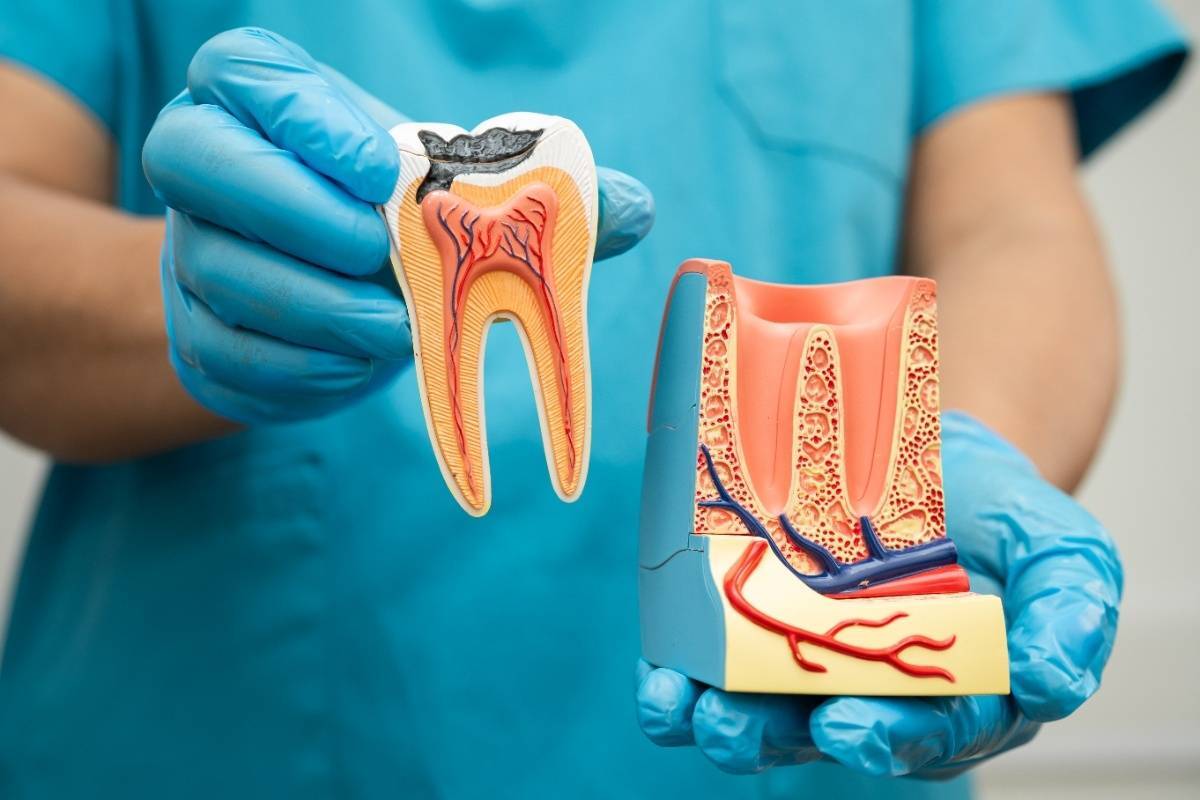
A toothache can interrupt everything from enjoying your favorite meal to getting a good night’s sleep. While some types of tooth pain are caused by temporary sensitivity or minor irritation, others may signal a more serious problem deep inside the tooth. One of the most common questions patients ask is, “How do I know if my tooth pain means I need a root canal?”
The answer depends on the source of the pain. When bacteria reach the dental pulp—the soft tissue containing nerves and blood vessels inside the tooth—an infection or irreversible inflammation can develop. At this stage, the discomfort often becomes more persistent, and treatment is necessary to preserve the tooth. Root canal therapy is designed to remove the infected tissue, eliminate bacteria, relieve pain, and restore the tooth’s function without removing it.
According to the American Association of Endodontists (AAE), more than 15 million root canal procedures are performed annually in the United States, making it one of the most common tooth-saving treatments available. Research published in the Journal of Endodontics reports long-term success rates exceeding 90% when root canal-treated teeth are properly restored. Meanwhile, the Centers for Disease Control and Prevention (CDC) reports that more than 90% of adults aged 20–64 have experienced dental caries, a leading cause of pulp infection.
In this guide, you’ll learn what types of tooth pain may indicate the need for a root canal, what symptoms require immediate attention, how dentists diagnose infected teeth, and why early treatment can often save your natural smile.
What Is a Root Canal?
A root canal is a dental procedure that removes infected or inflamed pulp from inside the tooth.
During treatment, your dentist or endodontist:
- Removes damaged pulp tissue
- Cleans and disinfects the root canals
- Seals the canals with a biocompatible material
- Restores the tooth, often with a dental crown
The goal is to eliminate infection while preserving the natural tooth.
Common Causes of Tooth Pain
Not every toothache requires a root canal.
Pain may result from:
- Tooth sensitivity
- Small cavities
- Gum disease
- Cracked teeth
- Teeth grinding
- Loose fillings
- Sinus pressure
- Food trapped between teeth
A comprehensive dental examination is necessary to determine the exact cause.
Tooth Pain and Root Canal Statistics
Recent research highlights how common tooth infections and root canal therapy are.
Key statistics include:
- According to the American Association of Endodontists (AAE), over 15 million root canals are performed annually in the United States.
- Studies published in the Journal of Endodontics report success rates greater than 90% for properly treated and restored teeth.
- The CDC reports that more than 90% of adults aged 20–64 have experienced cavities, a leading cause of root canal treatment.
- The American Dental Association (ADA) recommends preserving natural teeth whenever possible because they typically function better than artificial replacements.
- Research shows that teeth restored with crowns after root canal therapy generally have better long-term survival than untreated or extracted teeth.
Signs That Tooth Pain May Mean You Need a Root Canal
1. Persistent Toothache
Pain that lasts for hours or continues for several days should not be ignored.
Unlike temporary sensitivity, infected pulp often causes continuous discomfort that does not resolve on its own.
2. Lingering Hot or Cold Sensitivity
Brief sensitivity is common.
However, if pain continues for 30 seconds or longer after exposure to hot or cold foods, the dental pulp may be damaged.
3. Pain While Chewing
Sharp pain when biting or chewing may indicate:
- Inflamed pulp
- Tooth fracture
- Deep decay
- Infection surrounding the root
Your dentist will determine the underlying cause.
4. Swollen Gums
Localized swelling near one tooth often signals infection.
Other signs include:
- Tender gums
- Redness
- A pimple-like bump (dental fistula)
These symptoms require prompt evaluation.
5. Tooth Discoloration
A tooth that becomes gray, brown, or dark yellow may have experienced trauma or pulp damage.
Internal discoloration sometimes indicates loss of blood supply to the pulp.
6. Severe Throbbing Pain
Intense throbbing pain that interferes with sleep is commonly associated with advanced pulp inflammation or infection.
This type of pain typically requires immediate dental care.
7. Facial Swelling
Swelling affecting the cheek, jaw, or face may indicate a spreading dental infection.
This may become a dental emergency requiring urgent treatment.
What Causes the Pulp to Become Infected?
The dental pulp may become infected because of:
- Deep cavities
- Cracked teeth
- Repeated dental procedures
- Tooth fractures
- Dental trauma
- Advanced wear
Bacteria enter the pulp through damaged tooth structure.
Without treatment, the infection continues to spread.
How Dentists Diagnose the Need for a Root Canal
Your dentist uses several diagnostic methods.
These include:
Clinical Examination
The dentist checks for:
- Visible decay
- Cracks
- Swelling
- Gum changes
Digital X-Rays
X-rays help identify:
- Deep cavities
- Bone loss
- Infection around the root
- Previous restorations
Pulp Testing
Special tests determine whether the pulp remains healthy.
These may include:
- Cold testing
- Heat testing
- Electric pulp testing
Bite Assessment
Pain when biting may indicate inflammation or fractures.
Combining these findings allows your dentist to make an accurate diagnosis.
What Happens During a Root Canal?
Root canal treatment typically includes:
- Local anesthesia
- Isolation of the tooth
- Removal of infected pulp
- Cleaning and shaping the canals
- Disinfection
- Filling the canals with gutta-percha
- Placement of a filling or crown
Modern root canal therapy is generally no more uncomfortable than receiving a routine dental filling.
What Happens If You Delay Treatment?
Ignoring an infected tooth can lead to:
- Severe pain
- Dental abscess
- Swelling
- Bone loss
- Tooth fracture
- Tooth loss
- Spread of infection
Early treatment often prevents the need for more extensive procedures.
Can Every Toothache Be Treated With a Filling?
No.
Small cavities usually require fillings.
However, once infection reaches the pulp, a filling alone cannot eliminate bacteria inside the tooth.
Root canal therapy becomes necessary to preserve the tooth.
Root Canal vs. Tooth Extraction
Whenever possible, dentists recommend saving the natural tooth.
Benefits include:
- Better chewing efficiency
- Natural appearance
- Preservation of jawbone
- Reduced shifting of neighboring teeth
- Avoiding more extensive replacement procedures
Extraction may still be necessary if the tooth cannot be restored.
Recovery After a Root Canal
Most patients experience:
- Mild soreness
- Temporary chewing sensitivity
- Rapid improvement within several days
Many people return to normal activities the day after treatment.
Following your dentist’s instructions helps support healing.
How to Reduce Your Risk of Needing a Root Canal
Good preventive care significantly lowers your risk.
Healthy habits include:
- Brushing twice daily with fluoride toothpaste.
- Flossing every day.
- Limiting sugary foods and drinks.
- Wearing a mouthguard during sports.
- Treating cavities early.
- Visiting your trusted local Carrollton dentist every six months.
Prevention remains the most effective treatment.
Common Myths About Root Canals
Myth 1: Every Toothache Needs a Root Canal
Fact: Many toothaches result from gum irritation, cavities, or temporary sensitivity rather than pulp infection.
Myth 2: Root Canals Are Painful
Fact: With modern anesthesia and advanced techniques, root canal therapy is generally comparable in comfort to having a dental filling.
Myth 3: Removing the Tooth Is Always Better
Fact: Preserving your natural tooth is usually the preferred option whenever restoration is possible.
When Should You See a Dentist Immediately?
Contact your dentist promptly if you experience:
- Persistent tooth pain
- Swelling
- Fever with dental pain
- Difficulty chewing
- Lingering hot or cold sensitivity
- Facial swelling
- Drainage from the gums
Early diagnosis greatly improves the likelihood of saving the tooth.
Conclusion
Not every toothache requires a root canal, but persistent pain, lingering sensitivity, swelling, or discomfort when chewing should never be ignored. These symptoms may indicate that infection has reached the dental pulp, where simple fillings are no longer enough. Root canal therapy removes the source of infection, relieves pain, and preserves your natural tooth, helping you avoid extraction and maintain normal chewing function.
The sooner you seek professional care, the better the outcome is likely to be. Regular dental checkups, prompt treatment of cavities, and good oral hygiene habits remain the best ways to reduce your risk of serious tooth infections. If you’re experiencing ongoing tooth pain, scheduling an evaluation with your dentist can help determine the cause and ensure you receive the most appropriate treatment before the condition worsens.
Frequently Asked Questions
1. How do I know if my tooth pain requires a root canal?
Persistent pain, lingering sensitivity to hot or cold, swelling, pain while chewing, and tooth discoloration are common signs that the pulp may be infected and should be evaluated by a dentist.
2. Can a cavity lead to a root canal?
Yes. If tooth decay progresses deep enough to reach the dental pulp, bacteria can cause an infection that often requires root canal therapy to save the tooth.
3. Is a root canal painful?
Modern root canal treatment is typically performed with local anesthesia and is generally no more uncomfortable than receiving a routine filling. Most patients experience significant relief once the infected tissue is removed.
4. Can I wait to see if the pain goes away?
Delaying treatment is not recommended. Even if the pain decreases, the infection may continue to spread, increasing the risk of an abscess, bone loss, or tooth loss.
5. Will I need a crown after a root canal?
Many molars and premolars require a dental crown after root canal therapy to restore strength and reduce the risk of fracture. Your dentist will recommend the most appropriate restoration for your specific tooth.