Request an Appointment

Can a Dental Bridge Be Removed and Recemented? What You Need to Know
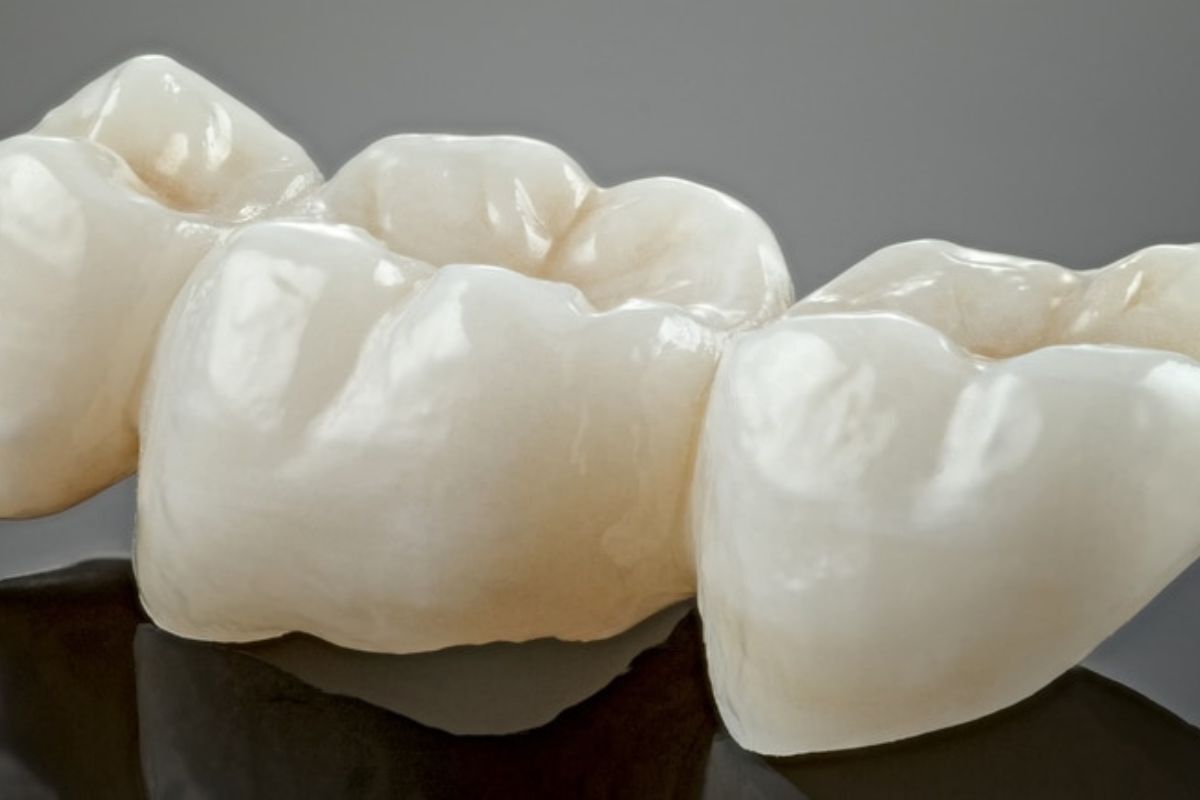
Yes, in many cases, a dentist can remove and reccement a dental bridge. However, it depends on the condition, the supporting teeth, and the reason for the adjustment.
As dental professionals, we often receive this question from patients who notice a loose fit or discomfort with their bridgework. If you’re wondering, “Can a dental bridge be removed and re-cemented?”, it’s important to understand when it’s possible, why it may be needed, and how a dentist ensures it is done safely.
Why Would a Dental Bridge Need to Be Removed and Recemented?
There are several reasons why a partial denture fixture might require removal and re-cementing:
- Loose Fit: Over time, the cement can weaken, causing the bridgework to shift.
- Decay Under the Bridgework: If decay forms beneath a supporting tooth, the bridge must be removed for treatment.
- Discomfort or Pain: A poorly fitting dental fixture can irritate gums or cause bite issues.
- Damage to the Bridge: Chips or cracks may require repair before it can be placed again.
If you have a dental bridge in Carrollton and notice looseness, discomfort, or damage, contact your dentist promptly. Addressing the issue early can prevent further complications.
Can a Dental Bridge Be Removed and Recemented Without Damage?
In many cases, yes. Dentists use specialized tools to gently loosen and lift the bridge without harming the supporting teeth. However, if the bridgework is old or the cement bond is extremely strong, there’s a chance the dental prosthetics or underlying tooth may be damaged during removal.
Your dentist will examine your bridge, check the health of your supporting teeth, and decide if recementing is the best option or if replacement is necessary.
What Factors Determine if Recementing Is Possible?
Several factors influence whether your dental bridge can be safely recemented:
- Condition of the Bridge: If it’s cracked or severely worn, a replacement may be better.
- Health of Supporting Teeth: Teeth holding the bridge must be strong and healthy.
- Type of Bridge: Some are easier to remove and recement than others.
- Length of Time Since Loosening: The longer a loose bridge remains untreated, the higher the risk of damage or decay.
When Should You See a Dentist About Loose Bridgework?
If you notice any of the following, schedule a dental visit right away:
- Movement or shifting of the bridge
- Pain when chewing
- Gum swelling or bleeding around the bridge
- Bad taste or odor from under the bridge
These signs may indicate that these partial denture fixtures need immediate attention. Attempting to remove or repair a bridge at home can lead to serious damage, so always let a professional handle it.
What Happens During the Rementing Process?
Here’s what you can typically expect:
- Examination: The dentist will check your bite, gums, and supporting teeth.
- Removal: Specialized tools are used to carefully lift the bridge.
- Cleaning: Old cement is removed from the bridge and teeth.
- Adjustment: If needed, the dentist will make small changes to improve the fit.
- Recementing: Fresh dental cement is applied, and it is secured in place.
This process is usually quick and comfortable, and you can resume normal eating after the cement sets.
Key Takeaways for Carrollton Patients
If you’ve been asking, “Can a dental bridge be removed and recemented?”, the answer is often yes—with the right professional care. Acting quickly when you notice an issue can save your bridgework and prevent more costly treatments.
At iO Dentistry, we can evaluate your bridge, address any underlying problems, and restore your smile’s comfort and function. Whether it’s a simple recementing or a full replacement, we’ll guide you through the best option for your oral health. To get started, schedule an appointment or call at our dental office today.