Request an Appointment

When Can You Eat Spicy Food After A Dental Crown?
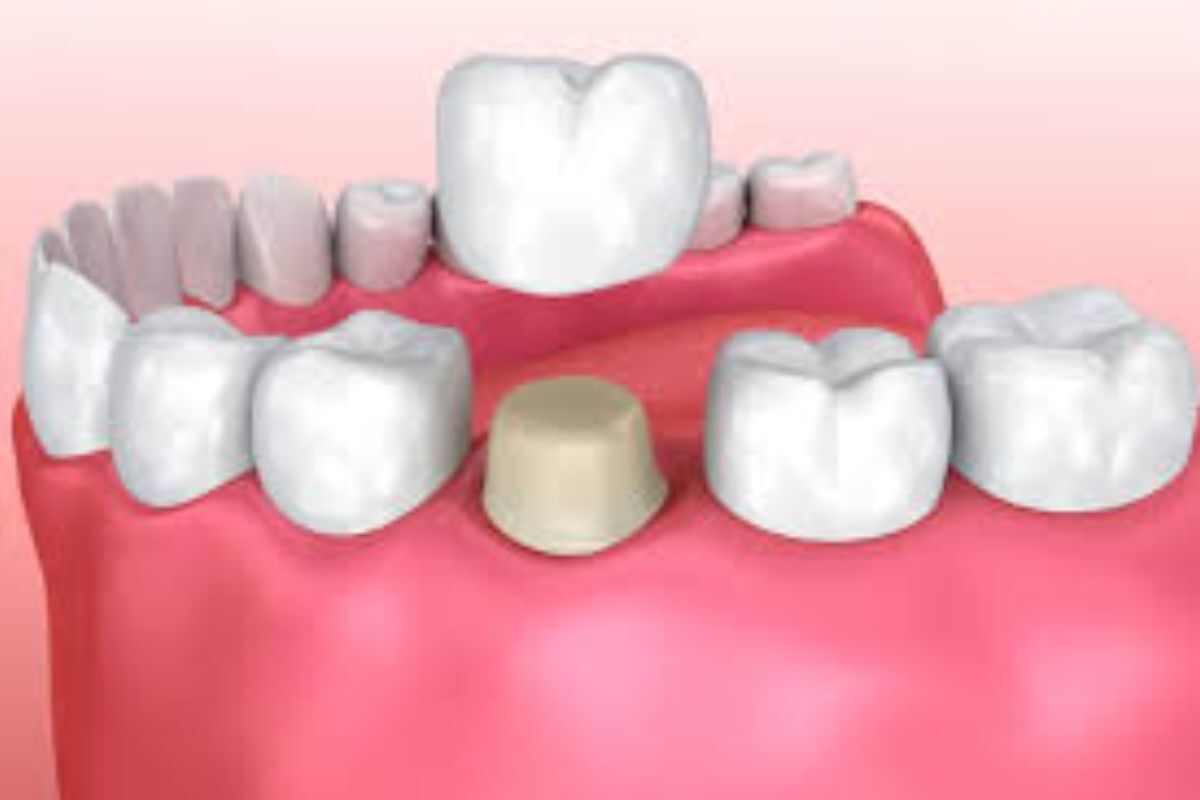
You’ve just walked out of the dentist’s office. Your mouth feels a little funny, half-numb, and definitely tender, but you’re sporting a brand-new, custom-fitted crown. You’re relieved it’s over. But as you drive home, a craving hits you like a freight train—you want tacos. Specifically, tacos doused in that fire-roasted habanero salsa you love.
But then you pause. Is it safe? Will the heat set your mouth on fire in the wrong way?
If you are asking this, you aren’t alone. With an estimated 15 million adults in the U.S. relying on crowns and bridge replacements to restore their smiles, the “post-op diet” is a hotter topic than you might think.
Here is the straight answer on when you can bring the heat back to your plate, backed by the numbers.
The Answer: Patience is a Virtue
While you might technically be able to chew soft foods once the numbness wears off (usually 1–4 hours), dentists strongly recommend avoiding spicy foods for 24-48 hours after your procedure.
If your gums are particularly sensitive or if you had a temporary crown placed, you may want to extend that timeline to 3–7 days.
Why the Wait? The “Open Wound” Factor
It’s not just about the tooth; it’s about the gums. During the crown procedure, the soft tissue around your tooth is often retracted or irritated to ensure a perfect fit.
- Gum Inflammation: The active component in chili peppers, capsaicin, is a chemical irritant. While it feels “good-hurt” on a healthy tongue, it can cause significant neurogenic inflammation on tissue that is already traumatized.
- The “57%” Statistic: Post-operative sensitivity is real. According to research published in the American Journal of Dentistry, dentin hypersensitivity affects about 15–20% of the general population. Still, this number rises to 57% among patients who have recently undergone a periodontal or restorative dental procedure. Adding spice to an already sensitive environment is a recipe for discomfort.
Temporary vs. Permanent Crowns: Does it Matter?
The type of crown you have dictates how careful you need to be.
The Temporary Crown (The “Test Drive”)
Before you get your final restoration, you’ll likely wear a temporary crown for 2–3 weeks.
- The Risk: Temporary crowns are made of acrylic or composite and held in place with temporary cement.
- The Data: Clinical studies indicate that the survival and retention of temporary crowns rely heavily on avoiding mechanical stress.
- The Verdict: Avoid spicy foods that are also crunchy or sticky (like spicy beef jerky or stiff taco shells). The heat itself might be okay after a few days, but the texture often associated with spicy snacks can dislodge a temporary cap.
The Permanent Crown (The “Real Deal”)
Once the permanent crown is cemented, survival rates are impressive—89.9% at 5 years and 80.9% at 10 years.
- The Risk: The cement needs 24 hours to set fully.
- The Verdict: Wait 24 hours before eating anything extreme. After that, the structural integrity is there, but your nerve sensitivity might still be high.
Exceptional cases (take longer)
- If your dental crowns in Carrollton were placed after a root canal, the tooth and surrounding tissues may be tender for several days — avoid spicy foods until tenderness subsides or your dentist clears you.
- If you also had gum surgery or crown lengthening, your dentist or oral surgeon may ask you to avoid spicy/hot foods for 1–2 weeks to protect the surgical site and reduce inflammation.
The Hidden Danger: It’s Not Just the Spice, It’s the Temperature
Often, it isn’t the jalapeño that hurts—it’s the temperature of the soup or curry it is floating in.
- Thermal Shock: Freshly crowned teeth are often hypersensitive to hot and cold. A study on post-restoration sensitivity showed that thermal changes are the leading cause of pain in the first week.
- The Strategy: If you must have spicy food, eat it at room temperature. A lukewarm spicy hummus is much safer for your nerves than a boiling hot Szechuan soup.
How to Reintroduce Spice Safely
If you are ready to get back to your favorite flavors, follow this “Heat Gradient” approach:
- Day 1 (Procedure Day): Zero Spice. Stick to bland, soft foods (yogurt, mashed potatoes, smoothies).
- Day 2–3: Mild Spice. Try black pepper or mild paprika. Avoid cayenne or chili flakes.
- Day 4–7: Medium Heat. If your gums aren’t throbbing, reintroduce medium salsas or curries.
- Day 7+: Full Heat. You should be back to normal. If you feel sharp pain, stop and wait another week.
Pro Tip: Avoid acidic spicy foods (like vinegar-based hot sauces) initially. Acid can erode the microscopic “smear layer” that protects exposed dentin, increasing sensitivity.
Practical do’s and don’ts — quick checklist
Do:
- Wait until numbness is gone before testing spicy or hot foods.
- Start with soft, lukewarm, non-spicy foods for the first meal after cementation (yogurt, mashed potatoes, smoothies, soft pasta).
- Chew on the opposite side of the mouth when you can.
Don’t:
- Don’t bite hard, sticky, or crunchy foods on the crown tooth for 24–72 hours.
- Don’t rush back to very spicy/acidic or extremely hot foods if the tooth or gum is still sensitive — spicy foods can feel more painful on a sensitive tooth.
When to call your dentist
Call if you notice:
- The crown feels loose or comes off.
- Severe or progressively worsening pain, swelling, or a fever (possible infection).
- Your bite feels “off” (high) after eating — the dentist may need to adjust the crown.
Conclusion
Getting a dental crown is a great investment in your health, but it requires a brief “cooling off” period for your diet. While you don’t need to swear off flavor forever, giving your mouth 24 to 48 hours to heal from the trauma of the procedure will save you a lot of unnecessary pain. Remember, a crown is built to last 10–15 years—you can wait two days for that vindaloo. If in doubt, follow the specific instructions your qualified dentist in Carrollton gave you — they know the exact work performed and your individual situation.
Next Step: Are you currently experiencing sensitivity with a temporary crown? Check your gums in the mirror. If they look bright red or swollen, give yourself an extra 2 days of bland food before testing your limits.
FAQs
1. Can spicy food loosen my dental crown?
Spices themselves (such as capsaicin) will not loosen dental cement. However, the foods that often carry the spice—like sticky spicy wings, crunchy chips, or chewy spicy candy—can pull or crack a temporary crown. It is best to stick to soft spicy foods (like mashed avocado with chili powder) once you are ready to eat.
2. I eat spicy food, and now my gums are throbbing. What should I do?
Rinse your mouth gently with warm salt water (1/2 teaspoon of salt in a cup of warm water). The salt helps reduce inflammation and cleans the area without the harsh sting of alcohol-based mouthwash. If the pain persists for more than 2 days, call your dentist.
3. Why does my tooth feel sensitive to air after getting a crown?
This is normal. During the preparation, the enamel was trimmed away, exposing tiny channels in the underlying dentin. Until the tooth “calms down” and the nerve adjusts to the new insulation of the crown, air and temperature sensitivity are common. This affects nearly 60% of patients in the first few days.
4. Can I eat spicy food if I had a Root Canal with my crown?
Actually, you might have an easier time! If you had a root canal, the nerve of the tooth has been removed so that you won’t feel tooth sensitivity to heat or cold. However, your gums will still be tender from the clamp and procedure, so spicy food can still sting the soft tissue.
5. How long after the numbness wears off can I eat?
You should wait until the numbness is completely gone (usually 2–4 hours) before chewing anything. Eating while numb carries a high risk of biting your cheek or tongue, which can cause a wound that spicy food will definitely irritate later!
6. Can I eat spicy food the same day my permanent crown was cemented?
Usually not immediately — wait 30–60 minutes for the cement to begin setting, then stick to soft, lukewarm, non-spicy foods for the first 24 hours. If you still have sensitivity or tenderness, delay spicy foods longer.
7. My temporary crown was placed — can I eat spicy food?
Avoid spicy, hot, sticky, hard, or crunchy foods while a temporary crown is in place — at least 24–48 hours (often longer). Temporary crowns are more prone to dislodging, and the prepared tooth beneath is usually sensitive.
8. I had a root canal under the crown — when is spicy food OK?
After a root canal, the area can be tender for several days. Many dentists recommend waiting until tenderness subsides (a few days) or until your follow-up appointment. When in doubt, start with bland, soft foods and skip spicy foods until you’re comfortable.
9. If I feel tooth sensitivity from spicy food after a crown, what helps?
Rinse with lukewarm water, avoid further spicy/hot triggers, use a toothpaste for sensitive teeth, and take over-the-counter pain relief if needed. If sensitivity is severe or persists for more than a week, call your dentist. Clinical studies show some cements and materials have lower short-term sensitivity — your dentist can advise on options if sensitivity is recurrent.
10. Will eating spicy food wreck my crown long-term?
Occasional spicy food will not “destroy” a properly placed permanent crown. The short-term risk is mainly discomfort and, with temporary crowns, dislodgement. Long-term crown survival is influenced by oral hygiene, grinding, and chewing habits — protecting the crown in the immediate days after cementation helps maximize its lifespan.