Request an Appointment

Common Dental Emergencies: What Every Patient Should Know
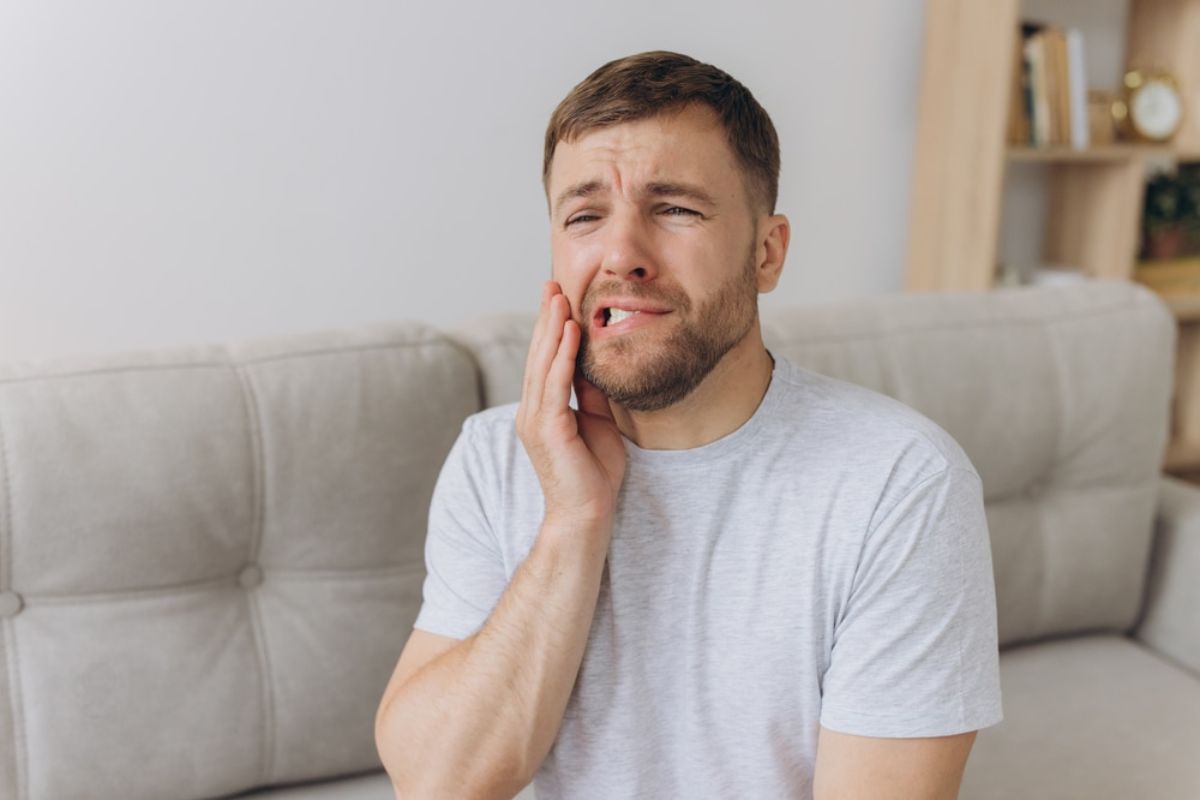
According to the American Dental Association (ADA), nearly 2 million emergency room visits each year in the United States are related to dental conditions. That is a staggering number, especially when many of these emergencies could be handled more effectively and affordably with prompt dental care.
However, what actually counts as a dental emergency? And what should you do if one strikes? If you’re looking to understand the most common dental emergencies and how to respond when they happen, keep reading.
What is Considered a Dental Emergency?
These situations involve any problem with your teeth, gums, or mouth that requires urgent treatment to halt bleeding, alleviate severe pain, or save a tooth. In such situations, quick action is crucial to prevent long-term damage or more serious health problems.
What Are Some of the Common Dental Emergencies?
Not all situations are considered to be an emergency. However, understanding which ones require immediate treatment from an emergency dentist in Carrollton is crucial. So here are some of the most common ones:
Severe Toothache
Tooth pain that comes on suddenly or becomes unbearable is a major sign. It often means there is deep decay, an infection, or even an abscess forming. These conditions won’t resolve on their own and can spread if left untreated.
What You Need to Do
- Rinse your mouth with warm water.
- Gently floss to remove any debris.
- Do not place aspirin on the tooth—it can burn the tissue.
- Call your dentist immediately.
Knocked-out Tooth
If a permanent tooth gets knocked out due to an accident or injury, acting quickly gives you the best chance of saving it. It is also one of the most common dental emergencies, and in this case, here are the following steps you need to take.
Steps You Should Follow
- Gently hold the tooth by the crown. (not the root).
- Rinse it gently with water, but do not scrub.
- Try to place it back in the socket. If not possible, keep it in a container of milk or your saliva.
- Get to a dentist or emergency room within half an hour.
Cracked or Chipped Teeth
A cracked or chipped tooth might not always hurt at first, but it can quickly become sensitive or painful if left untreated. Cracks can also expose the inner tooth to bacteria, which increases the risk of infection.
Things to Do
- Use warm water to rinse.
- Use a cold compress on the face to reduce swelling.
- Avoid biting down on the affected tooth.
- Schedule a dental visit as soon as possible.
Lost Fillings Or Crowns
When you lose a filling or crown is also one of the common dental emergency, as it exposes the tooth to air, bacteria, and food particles. Thus, it causes pain and further decay.
Actions to Take
- Keep the crown or filling if you can find it.
- Avoid chewing on that side.
- Call your emergency dentist for a repair or replacement.
Dental Abscess
An abscess is a pocket of pus caused by a bacterial infection. It forms at the root of a tooth or in the gum and usually causes severe pain, swelling, and sometimes fever.
Follow These Steps
- Rinse your mouth with warm salt water to ease discomfort.
- Avoid pressing on the area.
- Seek emergency dental care immediately.
Soft Tissue Injuries
Injuries or cuts to the lips, gums, tongue, or cheeks can cause bleeding and pain.
Do the Following
- Rinse with warm water.
- Apply clean gauze and light pressure to stop bleeding.
- Use a cold compress to control swelling.
- Seek dental or medical care if bleeding does not stop within ten minutes.
Dental emergencies can occur at any time, but knowing what to do can make all the difference. Prompt action and immediate care from an emergency dentist can prevent permanent damage, reduce pain, and save money on more serious procedures in the future.
Thus, if you are located in Carrollton and experience one of these common dental emergencies, it is best to contact our emergency dentist right away. Our proficient team is ready to handle any urgent dental issue with professionalism and precision. If you ever need immediate attention, please do not wait; contact us through our emergency number or simply reach out to us. Remember, your promptness matters when it is a dental emergency!