Request an Appointment

Can Cosmetic Dentistry Fix Loose Dentures?
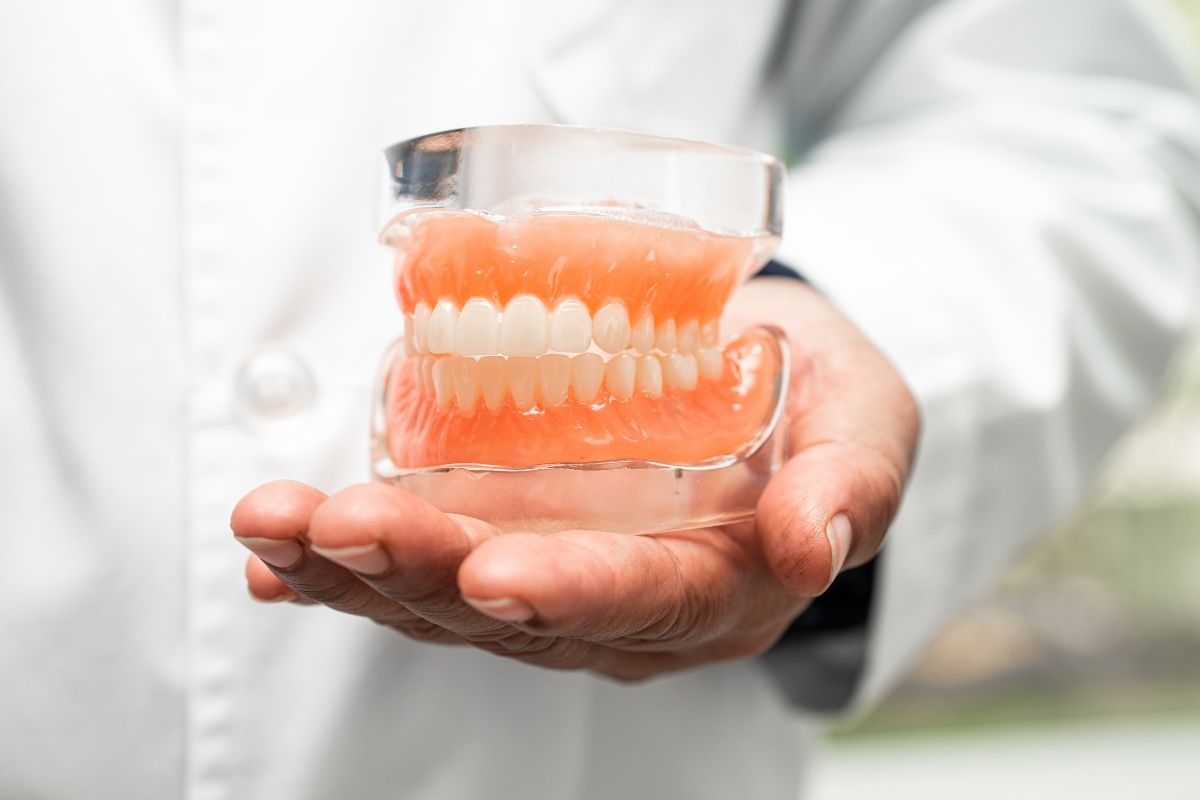
Does it feel like your dentures have a mind of their own? Maybe they slip during a dinner party, click when you laugh, or make enjoying a simple steak feel like a chore. If you’ve ever wondered, “Is this just my life now?”—the answer is a resounding no!
You might think cosmetic dentistry is only about whitening or veneers, but it actually offers some of the most effective solutions for stabilizing loose dentures. Whether you’re in the heart of Scottsdale or right here in the Valley, modern dental technology has evolved far beyond the messy adhesives of the past. Let’s dive into how cosmetic and restorative dentistry can help you regain your smile, your bite, and your confidence.
The “Loose Denture” Problem: Why It Happens
Before we talk about the fix, we have to talk about the why. Traditional dentures rely on suction or muscle control to stay in place. However, the human jaw is dynamic. When you lose natural teeth, the jawbone no longer receives stimulation from tooth roots, leading to a process called bone resorption.
Studies show that within the first 10 years of wearing traditional dentures, patients can lose up to 30–40% of their alveolar ridge height (the bone that supports the denture). This shrinkage is why a set of dentures that fit perfectly five years ago might feel like they’re “floating” today.
- Bone Loss: After tooth loss, your jawbone begins to shrink—a process called bone resorption. Over time, this changes the shape of your mouth, causing dentures to lose their grip .
- Natural Aging of Dentures: Dentures wear down and may lose their shape. Research shows many require replacement or adjustment within 5–10 years .
- Poor Initial Fit: Not all dentures are created equal. If the original impression or design wasn’t precise, instability can occur early.
- Gum Changes: Your gum tissue shifts over time, affecting how dentures sit.
Can Cosmetic Dentistry Fix Loose Dentures?
Yes—cosmetic dentistry in Carrollton can absolutely fix loose dentures, but the right solution depends on the cause and severity.
Here are the most effective treatments:
Denture Relining (Quick & Affordable Fix)
What It Does:
Adds new material to the inside of your denture so it fits your current gum shape.
Best For:
- Mild looseness
- Recently changed gum shape
Benefits:
- Fast (often same-day)
- Cost-effective
- Improves comfort immediately
Studies show relining is commonly needed early in denture life, especially within the first year .
Denture Rebasing (Stronger Upgrade)
What It Does:
Replaces the entire base of the denture while keeping the teeth portion.
Best For:
- Structurally worn dentures
- Significant fit issues
Benefits:
- Longer-lasting than relining
- Improves durability and stability
Cosmetic Denture Replacement
What It Does:
Creates a completely new, custom-fitted denture using modern materials and digital precision.
Best For:
- Dentures older than 5–10 years
- Chronic looseness
- Aesthetic concerns
Benefits:
- Better fit and appearance
- Improved chewing ability
- More natural smile
Keep in mind: About 60% of dentures fail by 10 years, often due to poor retention or wear .
Implant-Supported Dentures (Best Long-Term Solution)
What It Does:
Dental implants anchor your denture directly to your jawbone.
Best For:
- Severe looseness
- Bone loss
- Patients wanting permanent stability
Benefits:
- Prevents further bone loss
- Dramatically improves stability
- Enhances chewing efficiency
Implants can preserve bone and prevent facial collapse, unlike traditional dentures .
Implant-supported restorations show 90–95% survival rates over 10+ years .
Denture Adhesives (Temporary Fix Only)
What It Does:
Helps dentures stay in place temporarily.
Important Note:
The American Dental Association warns that adhesives are not a long-term solution for poorly fitting dentures .
What Happens If You Ignore Loose Dentures?
Delaying treatment can lead to:
- Gum sores and infections
- Difficulty eating (nutritional issues)
- Speech problems
- Faster bone loss
- Facial sagging
Loose dentures often signal a problem that will worsen over time if untreated .
How to Know Which Option Is Right for You
Here’s a quick guide:
- Mild looseness? → Relining
- Old dentures? → Replacement
- Severe slipping? → Implant-supported dentures
- Temporary issue? → Adhesives (short-term only)
A consultation with a certified Carrollton dentist is essential for an accurate diagnosis.
Conclusion
So, can cosmetic dentistry fix loose dentures? Absolutely—and often very effectively.
Loose dentures are more than a nuisance; they can impact your social life, your nutrition, and your self-esteem. Thankfully, cosmetic dentistry offers more than just a “pretty” smile—it offers a functional one. From professional relines to the life-changing stability of dental implants, you don’t have to settle for a fit that’s “good enough.”
If you’re tired of adhesives and want a solution that feels like your natural teeth, it’s time to consult with a specialist. Your smile was meant to be seen, not managed!
Frequently Asked Questions
1. Can loose dentures be fixed without replacing them?
Yes. Relining or rebasing can often restore a snug fit without needing a full replacement.
2. Are dental implants the best option for loose dentures?
For long-term stability, yes. Implant-supported dentures provide the most secure and natural feel.
3. How long do dentures typically last?
Most last 5–10 years, but adjustments are often needed earlier due to changes in your mouth .
4. Do denture adhesives permanently fix looseness?
No. They are only a temporary solution and should not replace professional treatment .
5. Is it dangerous to wear loose dentures?
Yes. It can lead to sores, infections, poor nutrition, and worsening bone loss if left untreated.