Request an Appointment

Can A Family Dentist Treat Black Spots on My Teeth?
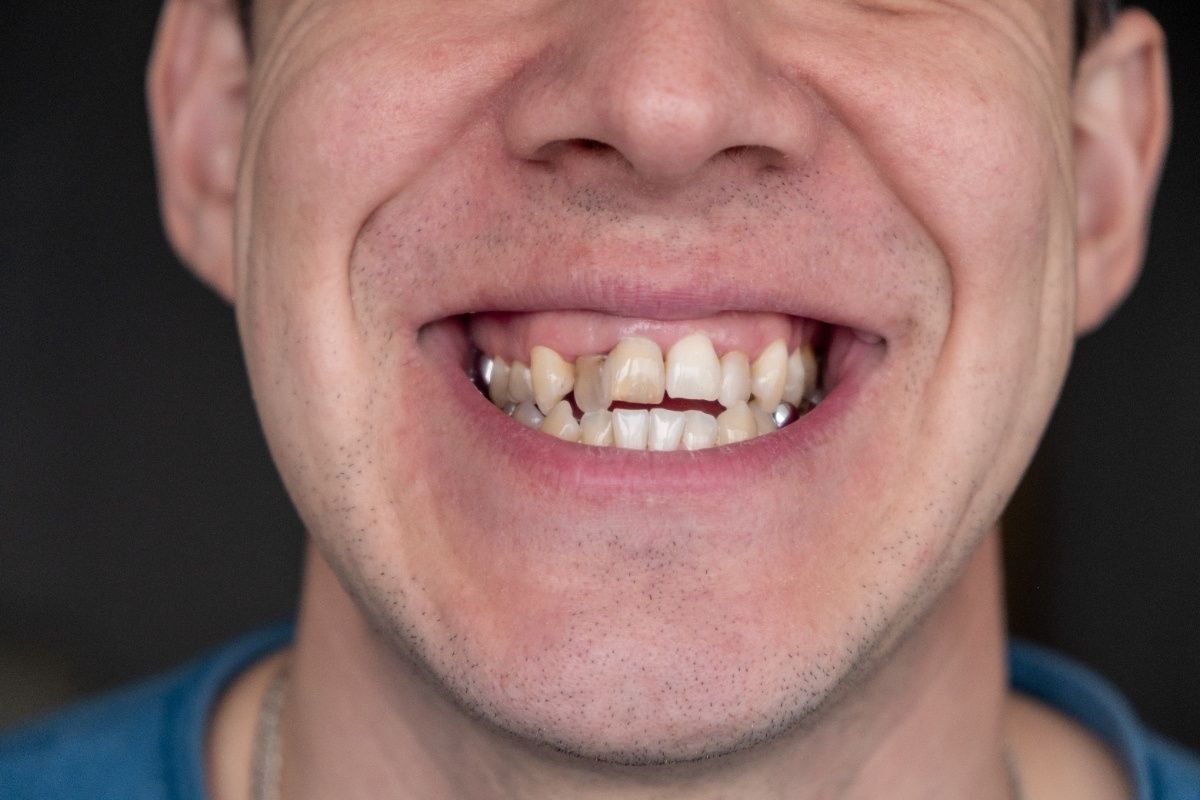
Have you recently noticed black spots on your teeth while brushing or looking in the mirror? You’re not alone. Many Americans become concerned when they see dark discoloration on their teeth, wondering whether it’s a stain, a cavity, or something more serious.
The good news is that a family dentist can often diagnose and treat black spots on teeth before they become a major oral health problem. Whether the issue is caused by surface staining, tooth decay, tartar buildup, or an underlying dental condition, early treatment can help restore your smile and protect your long-term oral health.
According to the Centers for Disease Control and Prevention (CDC), approximately 1 in 5 adults aged 20–64 has at least one untreated cavity, making dental decay one of the most common oral health issues in the United States.
In this guide, we’ll explain what black spots on teeth mean, how a family dentist can treat them, and what steps you can take to prevent them from returning.
What Are Black Spots on Teeth?
Black spots are dark areas that appear on the surface or inside a tooth. They may be small dots, lines near the gumline, or larger dark patches.
Not all black spots indicate tooth decay. Some are harmless stains, while others may signal an active dental problem requiring professional treatment.
A family dentist in Carrollton can determine the exact cause through a visual examination, digital X-rays, and other diagnostic tools.
Common Causes of Black Spots on Teeth
1. Tooth Decay (Cavities)
One of the most common causes of black spots is dental caries, commonly known as cavities.
When bacteria feed on sugars and carbohydrates, they produce acids that weaken tooth enamel. Over time, decay can create dark brown or black areas on the tooth surface.
The CDC reports that cavities remain one of the most prevalent chronic diseases in America, with 21% of adults aged 20–64 having untreated tooth decay.
Signs of cavity-related black spots include:
- Tooth sensitivity
- Pain while eating sweets
- Visible holes or pits
- Persistent toothache
- Dark discoloration that spreads over time
2. Surface Stains
Many black spots are simply extrinsic stains, meaning they occur on the outer enamel layer.
Common staining substances include:
- Coffee
- Tea
- Red wine
- Tobacco products
- Dark-colored sodas
- Certain foods and spices
The American Dental Association notes that extrinsic stains commonly result from pigmented foods, beverages, and tobacco use.
Fortunately, these stains can often be removed during a professional dental cleaning.
3. Tartar (Calculus) Buildup
When plaque hardens on teeth, it forms tartar. Over time, tartar can absorb pigments from foods and beverages, causing it to appear dark brown or black.
Tartar frequently develops:
- Along the gumline
- Between teeth
- Behind the lower front teeth
Unlike plaque, tartar cannot be removed with regular brushing and requires professional dental cleaning.
4. Old Dental Fillings
Silver amalgam fillings may gradually darken with age. Sometimes, the surrounding tooth structure can also appear gray or black.
Although this discoloration is often harmless, your family dentist should evaluate aging restorations to ensure they remain structurally sound.
5. Tooth Trauma
An injury can damage the blood vessels inside a tooth.
When this happens, the tooth may gradually darken and appear gray, brown, or black. This type of discoloration originates from within the tooth and may indicate nerve damage.
A family dentist may recommend root canal therapy if the pulp has been compromised.
6. Medication or Medical Conditions
Some medications and health conditions can contribute to tooth discoloration.
Examples include:
- Iron supplements
- Certain antibiotics
- Excessive fluoride exposure
- Medical treatments affecting tooth development
These cases typically require professional evaluation to determine the best treatment option.
Can A Family Dentist Diagnose the Cause?
Yes. Family dentists are trained to identify the underlying cause of black spots and create a personalized treatment plan.
During your appointment, your dentist may:
- Review your medical history
- Examine the affected teeth
- Take digital X-rays
- Check for cavities
- Assess gum health
- Evaluate existing dental work
Accurate diagnosis is critical because treatment varies depending on the source of the discoloration.
How Does A Family Dentist Treat Black Spots?
Professional Dental Cleaning
If the spots are caused by plaque, tartar, or external staining, a professional cleaning may solve the problem.
During the cleaning, your dentist or hygienist removes:
- Plaque deposits
- Hardened tartar
- Surface stains
Many patients notice a brighter smile immediately after treatment.
Dental Fillings
If decay is responsible, the dentist will remove the damaged portion of the tooth and restore it with a dental filling.
Modern tooth-colored composite fillings blend naturally with surrounding teeth while restoring function and strength.
Teeth Whitening
For widespread staining or discoloration, professional whitening treatments may help improve appearance.
The American Dental Association states that professional whitening can effectively address many forms of extrinsic staining.
Your dentist will determine whether whitening is appropriate based on the type of discoloration present.
Dental Bonding
Bonding uses tooth-colored resin to cover stains, chips, or cosmetic imperfections.
This minimally invasive treatment is often completed in a single visit.
Crowns
When extensive decay or structural damage is present, a dental crown may be recommended.
Crowns:
- Cover the entire tooth
- Restore strength
- Improve appearance
- Protect against further damage
Root Canal Therapy
If internal damage causes the tooth to turn black, root canal treatment may be necessary.
This procedure removes infected tissue while preserving the natural tooth whenever possible.
When Should You See a Family Dentist?
Schedule an appointment if you notice:
- New black spots
- Increasing discoloration
- Tooth sensitivity
- Pain while chewing
- Bleeding gums
- Bad breath that won’t go away
Early diagnosis can prevent the need for more complex and expensive treatments later.
According to the National Institute of Dental and Craniofacial Research (NIDCR), nearly 90% of adults have experienced tooth decay in their permanent teeth at some point in their lives.
How to Prevent Black Spots on Teeth
Brush Twice Daily
Use fluoride toothpaste and brush for at least 2 minutes, twice a day.
Floss Every Day
Flossing removes plaque and food debris from areas your toothbrush cannot reach.
Limit Staining Foods and Drinks
Consider reducing:
- Coffee
- Tea
- Soda
- Red wine
If you consume these beverages, rinse with water afterward.
Avoid Tobacco Products
Smoking and chewing tobacco significantly increase the risk of staining and oral health problems.
Schedule Regular Dental Visits
Routine exams allow your dentist to detect small problems before they become serious.
The CDC reports that 65.5% of U.S. adults received a dental exam or cleaning in the past year, underscoring the importance of preventive dental care.
Maintain a Healthy Diet
A balanced diet supports strong teeth and reduces the risk of cavities.
Focus on:
- Fruits
- Vegetables
- Dairy products
- Lean proteins
- Water instead of sugary beverages
Are Black Spots Always Cavities?
No.
Although cavities are a common cause, black spots may also result from:
- Surface staining
- Tartar accumulation
- Dental trauma
- Old fillings
- Natural tooth anatomy
Only a dental examination can determine the true cause.
Attempting to self-diagnose may delay necessary treatment and allow problems to worsen.
Conclusion
So, can a family dentist treat black spots on your teeth? Absolutely.
Whether the discoloration is caused by surface stains, tartar buildup, cavities, aging dental work, or internal tooth damage, a family dentist has the training and tools needed to identify the cause and recommend effective treatment.
Because black spots can sometimes indicate active tooth decay, it’s important not to ignore them. Early intervention often leads to simpler, less expensive treatment and better long-term oral health outcomes.
If you’ve noticed black spots on your teeth, schedule an appointment with your local family dentist. A professional evaluation can help restore your smile, protect your teeth, and give you peace of mind.
Frequently Asked Questions
1. Are black spots on teeth always cavities?
No. Black spots may be caused by stains, tartar, trauma, aging fillings, or tooth decay. A dental examination is needed to determine the exact cause.
2. Can professional teeth cleaning remove black spots?
Yes. If the discoloration is caused by plaque, tartar, or external staining, a professional cleaning can often remove or significantly reduce the spots.
3. Should I be worried about a black spot that doesn’t hurt?
Yes. Cavities can develop without causing pain initially. It’s best to have any new discoloration examined by a family dentist.
4. Can whitening toothpaste remove black spots?
Whitening toothpaste may help remove mild surface stains but cannot treat cavities, tartar buildup, or deep internal discoloration.
5. How often should I visit a family dentist to prevent black spots?
Most patients benefit from dental checkups and cleanings every six months, although your dentist may recommend a different schedule based on your oral health needs.