Request an Appointment

How to Take Care of Your Teeth After a Crown
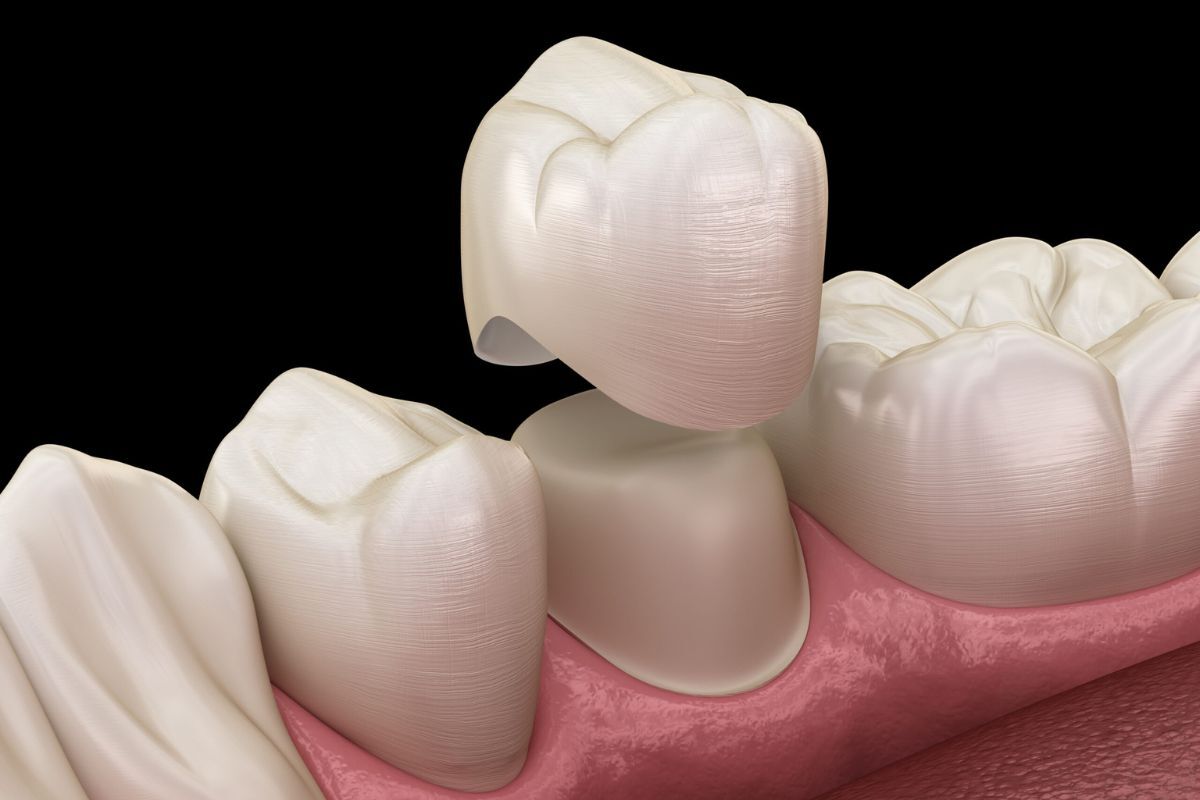
Getting a dental crown is a common procedure aimed at restoring the function and appearance of a damaged tooth. While dental crowns are durable, they require proper care to ensure their longevity and maintain overall oral health. In this blog, we will discuss how to take care of your teeth after getting a crown, including essential tips and practices recommended by dental experts.
Understanding Dental Crowns
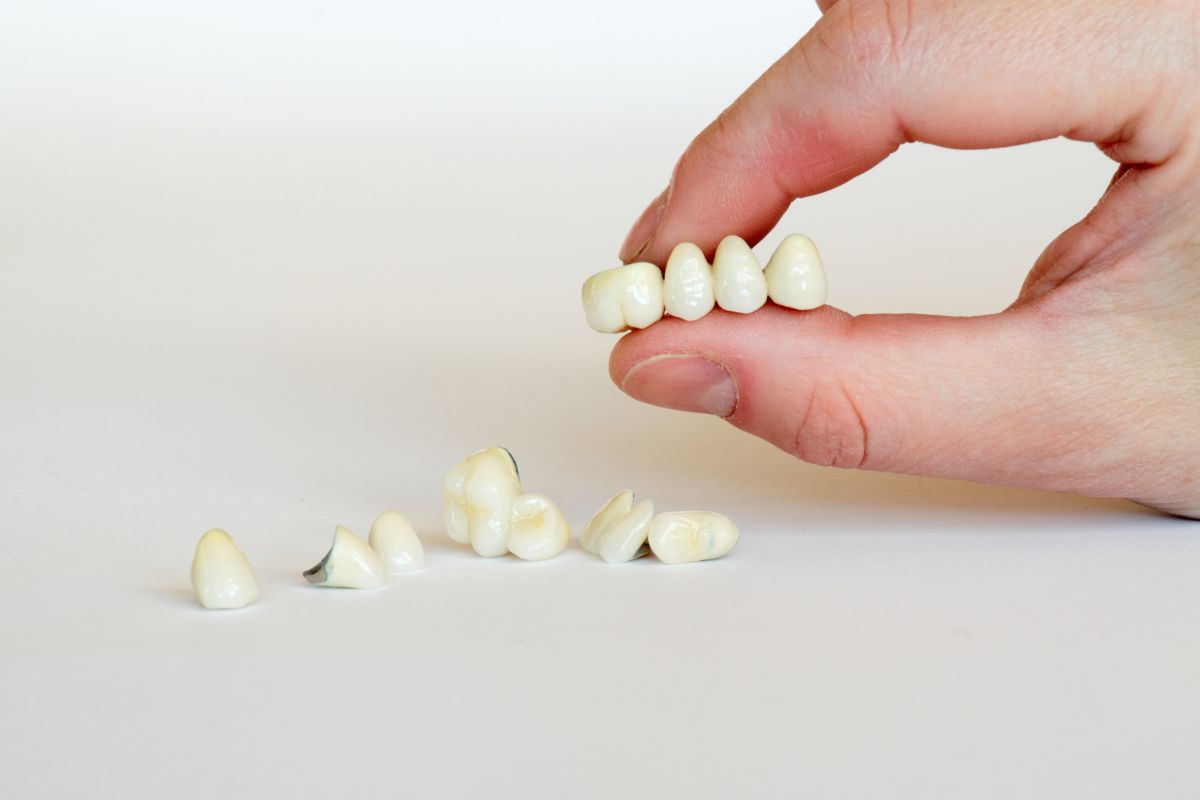
Dental crowns are caps placed over damaged or decayed teeth to restore their shape, size, strength, and appearance. They are made from various materials, including porcelain, ceramic, metal, and composite resin. According to the American Dental Association (ADA), dental crowns can last between 5 to 15 years with proper care.
Immediate Care After Getting a Crown
Avoid Certain Foods
In the first 24 hours after getting a crown, it is crucial to avoid hard, sticky, and chewy foods. These can dislodge or damage the crown. Stick to soft foods like yogurt, mashed potatoes, and smoothies to give the cement time to fully set.
Manage Sensitivity
It is common to experience some sensitivity to hot and cold foods and beverages after getting a crown. To minimize discomfort:
- Use a toothpaste designed for sensitive teeth.
- Avoid extremely hot or cold foods and drinks.
- Rinse with warm salt water to soothe any irritation.
Long-Term Care for Your Dental Crown
Maintain Good Oral Hygiene
Good oral hygiene is essential for the longevity of your dental crown and overall oral health. Follow these steps:
- Brush Twice Daily: Use a soft-bristled toothbrush and fluoride toothpaste to gently clean your teeth and crown.
- Floss Daily: Floss around your crown to remove plaque and food particles. Be careful not to pull the floss upward from between the teeth, which could dislodge the crown. Instead, slide it out gently.
- Use an Antibacterial Mouthwash: Rinse with an antibacterial mouthwash to reduce bacteria and plaque buildup around the crown.
Avoid Hard Foods and Habits
Certain habits and foods can damage your crown or natural teeth. Avoid:
- Chewing Ice: Ice can cause cracks and chips in both natural teeth and crowns.
- Biting Nails or Using Teeth as Tools: These habits can put undue stress on the crown, leading to damage or dislodgement.
- Sticky and Hard Foods: Foods like caramel, hard candy, and nuts can dislodge or damage the crown.
Regular Dental Check-Ups
Professional Cleanings
Regular dental check-ups and cleanings are vital for maintaining your dental crown. According to the ADA, you should visit your dentist at least twice a year for professional cleanings and examinations. These visits allow your dentist to:
- Check the integrity of the crown.
- Remove plaque and tartar buildup around the crown.
- Address any issues before they become significant problems.
X-Rays and Monitoring
Your dentist may take X-rays periodically to monitor the area under the crown and ensure the underlying tooth and surrounding bone remain healthy. This proactive approach can help identify potential issues early on.
Addressing Issues Promptly
Sensitivity and Discomfort
If you experience persistent sensitivity or discomfort around your crowned tooth, contact your dentist promptly. These symptoms could indicate underlying issues such as gum disease, tooth decay, or an ill-fitting crown.
Damaged or Loose Crown
If your crown becomes damaged or loose, it is essential to see your dentist immediately. A loose or damaged crown can lead to further decay or damage to the underlying tooth. In some cases, the crown can be repaired; in others, it may need to be replaced.
Special Considerations for Different Types of Crowns
Metal Crowns
Metal crowns, made from alloys like gold or platinum, are highly durable but can wear down opposing teeth over time. Regular dental check-ups will help monitor any wear and address it promptly.
Porcelain and Ceramic Crowns
Porcelain and ceramic crowns provide a natural appearance but are more prone to chipping. Avoid hard and crunchy foods and be cautious with habits that can cause damage.
Porcelain-Fused-to-Metal Crowns
Porcelain-fused-to-metal (PFM) crowns offer a balance of strength and aesthetics. However, the porcelain can wear away over time, exposing the metal underneath. Regular dental visits will help monitor the crown’s condition.
The Role of Diet in Crown Care
Nutritious Foods for Oral Health
A balanced diet rich in vitamins and minerals supports oral health and the longevity of your crown. Foods to include are:
- Dairy Products: High in calcium, which strengthens teeth and bones.
- Leafy Greens: Packed with vitamins and minerals beneficial for gum health.
- Lean Proteins: Help repair and build tissues.
- Fruits and Vegetables: Crunchy produce like apples and carrots stimulate saliva production, which helps wash away food particles and bacteria.
Limiting Sugary and Acidic Foods
Sugary and acidic foods can lead to decay and damage to both natural teeth and crowns. Limit consumption of:
- Sugary Snacks and Beverages: Sweets, sodas, and sports drinks.
- Acidic Foods: Citrus fruits, tomatoes, and vinegar-based dressings.
Conclusion
Taking care of your teeth after getting a crown involves a combination of good oral hygiene practices, regular dental visits, and mindful eating habits. By following these guidelines, you can ensure the longevity of your dental crown and maintain optimal oral health. If you have any questions or concerns about your crown, don’t hesitate to contact your Carrollton Dentist for professional advice and care.
Remember, while a dental crown is a robust solution for damaged teeth, it still requires diligent care to perform at its best. With the right care and attention, your crown can last many years, providing both function and beauty to your smile.