Request an Appointment

Is Chewing Gum Bad for Your Teeth? Insights from a Dentist in Carrollton
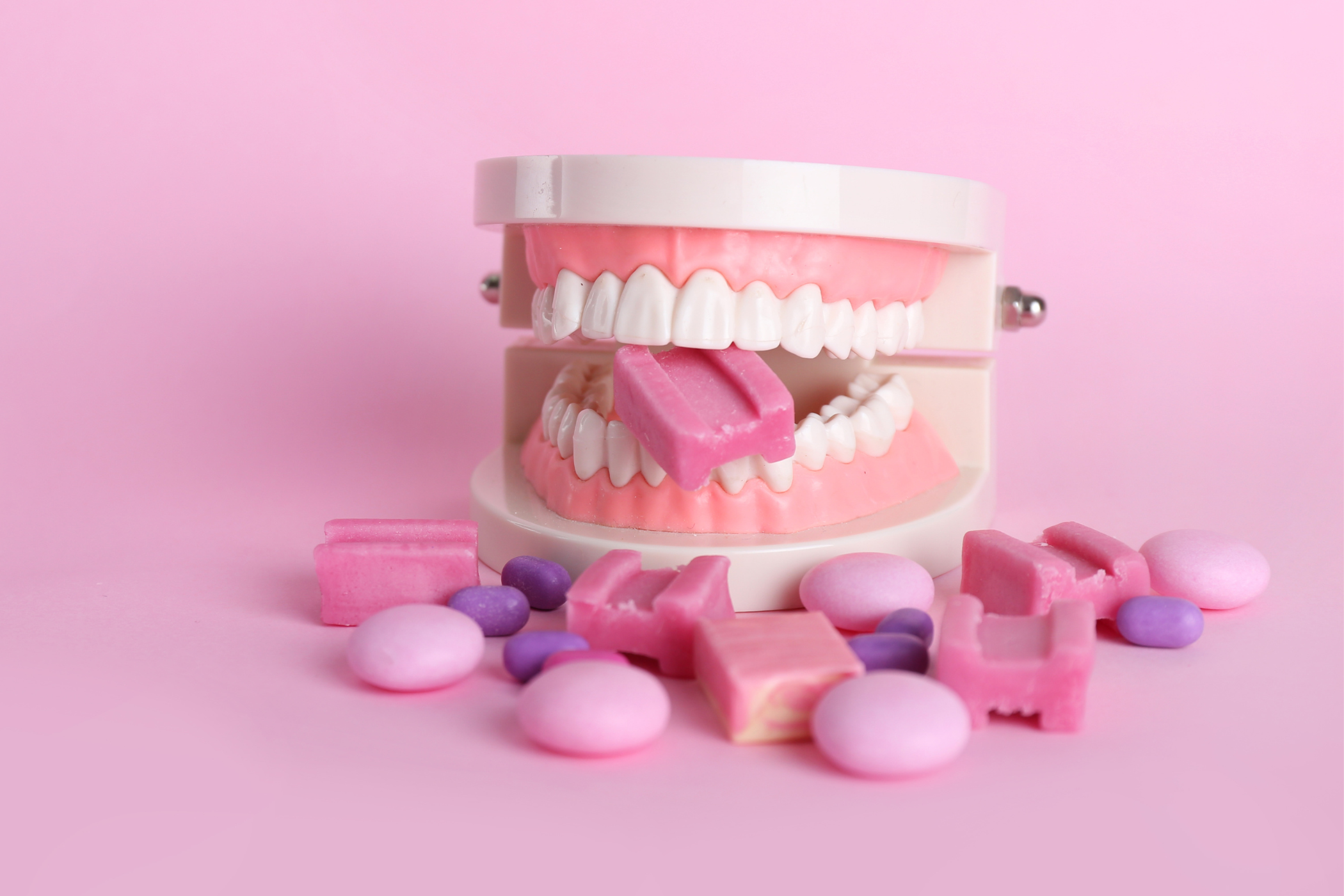
Chewing gum has been a popular habit for decades, offering a quick way to freshen your breath, curb cravings, or pass the time. But is this simple pleasure doing more harm than good to your teeth? While some types of gum can benefit your oral health, others may lead to dental issues over time. In this blog, we’ll explore the pros and cons of chewing gum and provide expert advice from a Dentist Carrollton to help you make the best choices for your teeth.
The Good Side: Benefits of Chewing Gum for Oral Health
Believe it or not, chewing gum can help protect your teeth in certain situations, especially when you opt for sugar-free varieties. Here are some of the benefits:
1. Stimulates Saliva Production
One of the most significant benefits of chewing gum is that it stimulates the production of saliva. Saliva is your mouth’s natural defense against acids and bacteria. It helps wash away food particles, neutralize harmful acids, and maintain a balanced pH level in your mouth.
Key Stat:
According to the American Dental Association (ADA), chewing sugarless gum for 20 minutes after a meal can reduce the risk of tooth decay by stimulating saliva production.
2. Helps Prevent Cavities
Certain sugar-free gums contain xylitol, a natural sweetener that has been shown to help prevent cavities. Xylitol works by reducing the levels of bacteria in your mouth, specifically Streptococcus mutans, which is a primary contributor to tooth decay.
Key Fact:
A study published by the National Institutes of Health found that xylitol-sweetened gum significantly reduces Streptococcus mutans bacteria, thereby lowering the risk of cavities.
3. Reduces Dry Mouth
Chewing gum can be especially helpful for people who suffer from dry mouth, a condition where your mouth doesn’t produce enough saliva. This condition can lead to an increased risk of cavities, gum disease, and bad breath. Sugar-free gum can alleviate these symptoms by boosting saliva flow and keeping your mouth moist.
4. Freshens Breath
Chewing gum can also temporarily freshen your breath by masking odors from foods like garlic and onions. While this effect is short-lived, it’s a quick and easy fix when you don’t have access to a toothbrush.
The Downside: Risks of Chewing Gum for Your Teeth
While chewing gum can offer benefits, it’s not all good news. There are some downsides to consider, particularly if you’re choosing the wrong kind of gum or overdoing it.
1. Sugar-containing gum Can Lead to Tooth Decay
One of the primary concerns with chewing gum is the sugar content in some varieties. Sugary gums can feed harmful bacteria in your mouth, leading to the production of acids that erode tooth enamel and cause cavities. If you regularly chew gum that contains sugar, you may be increasing your risk of tooth decay.
Key Stat:
A single piece of sugary gum can contain up to 5 grams of sugar, which can lead to an increased risk of cavities when consumed regularly.
2. Jaw Problems and TMJ Disorders
Chewing gum excessively or too aggressively can lead to jaw problems, particularly if you have a condition like temporomandibular joint disorder (TMJ). Constant gum chewing can strain your jaw muscles and joints, leading to discomfort, pain, and headaches.
3. Can Cause Gastrointestinal Issues
For some people, chewing gum can cause gastrointestinal discomfort. When you chew gum, you tend to swallow more air, which can lead to bloating, gas, and indigestion. Additionally, sugar-free gums that contain artificial sweeteners like sorbitol may cause digestive issues for those with sensitive stomachs.
Choosing the Right Gum: What to Look For
To make the most out of your gum-chewing habit, it’s essential to choose the right type of gum. Here’s what a Dentist in Carrollton recommends when selecting gum:
1. Go for Sugar-Free Options
Always choose sugar-free gum. The ADA recommends sugar-free gums that contain non-cavity-causing sweeteners like xylitol, sorbitol, or mannitol. These sweeteners don’t feed harmful bacteria, making them a safer option for your teeth.
2. Look for the ADA Seal
When buying gum, look for the ADA Seal of Acceptance. This seal indicates that the gum has been tested and approved by dental professionals for its safety and efficacy in promoting oral health.
3. Limit Chewing Time
While chewing gum can be beneficial, it’s important not to overdo it. Chewing gum for long periods can strain your jaw and cause discomfort. A Carrollton dentist suggests limiting your gum-chewing sessions to 20 minutes after meals.
How to Protect Your Teeth While Chewing Gum
If you love chewing gum and want to ensure that you’re not harming your teeth, here are some tips from a Dentist Carrollton to help you maintain your oral health:
1. Brush and Floss Regularly
Even if you’re chewing sugar-free gum, brushing and flossing twice a day is essential. Gum can never replace a proper oral hygiene routine.
2. Visit Your Dentist Regularly
Routine dental check-ups with a Carrollton dentist will help catch any signs of tooth decay or gum disease early, even if you’re a regular gum chewer. Make sure to see your dentist at least twice yearly for cleanings and exams.
3. Chew Gum in Moderation
As with anything, moderation is key. Chewing gum occasionally can help with dry mouth or freshen your breath, but don’t rely on it too much. If you constantly reach for gum, it might be time to cut back.
Conclusion: Is Chewing Gum Bad for Your Teeth?
Chewing gum isn’t necessarily bad for your teeth, especially if you choose the right kind and chew in moderation. Sugar-free gum, particularly those containing xylitol, can even provide oral health benefits like stimulating saliva, reducing cavity-causing bacteria, and freshening breath. However, it’s essential to avoid sugary gum and to be mindful of jaw strain from over-chewing.
For personalized advice and to ensure you’re maintaining optimal oral health, it’s always a good idea to consult with a Dentist Carrollton. They can assess your individual needs and recommend the best practices for keeping your teeth healthy and your smile bright.