Request an Appointment

How Do Smoking and Vaping Affect Oral Health?
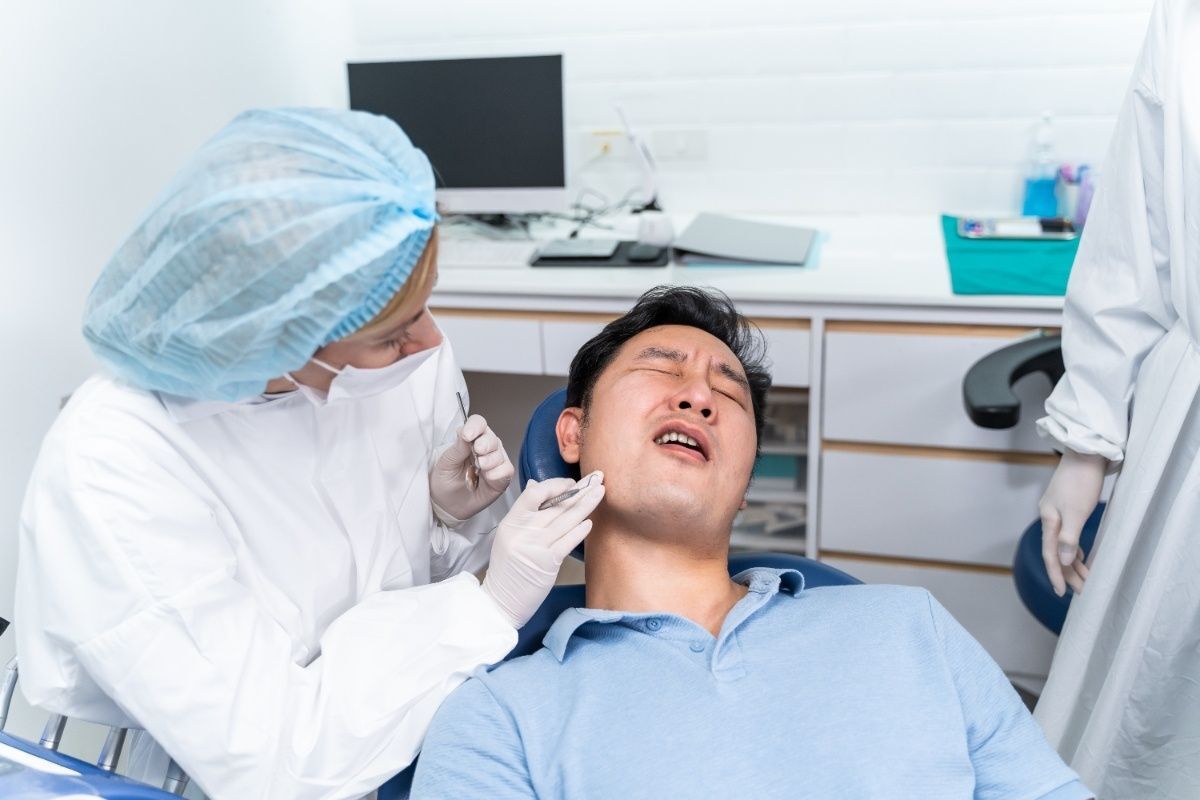
Have you ever wondered what happens inside your mouth every time you smoke a cigarette or use a vape? While many people know tobacco can harm the lungs and heart, fewer realize that the first place these products often cause damage is the mouth. Your teeth, gums, tongue, and oral tissues are directly exposed to heat, nicotine, chemicals, and toxins every time you smoke or vape.
Whether you use traditional cigarettes, cigars, smokeless tobacco, or electronic cigarettes, these habits can increase your risk of gum disease, tooth discoloration, bad breath, delayed healing after dental procedures, and even oral cancer. Although vaping is sometimes marketed as a less harmful alternative to smoking, research shows that it is not harmless. Many vaping products contain nicotine and other chemicals that may affect oral tissues, saliva production, and the balance of oral bacteria.
According to the Centers for Disease Control and Prevention (CDC), nearly 28 million U.S. adults currently smoke cigarettes, while millions more use electronic cigarettes or other nicotine products. The American Cancer Society estimates that approximately 58,450 new cases of oral cavity and oropharyngeal cancers will be diagnosed in the United States in 2026. In addition, the American Dental Association (ADA) reports that tobacco use is one of the leading risk factors for periodontal (gum) disease and tooth loss. These statistics highlight why dentists routinely ask patients about tobacco and nicotine use during dental examinations.
In this guide, you’ll learn how smoking and vaping affect your oral health, the short- and long-term risks, how these habits influence dental treatment, and practical steps you can take to protect your smile.
How Smoking Affects Your Mouth
Traditional cigarettes expose the mouth to thousands of chemicals, including many known carcinogens.
Common oral health effects include:
- Tooth staining
- Bad breath
- Gum disease
- Delayed healing
- Bone loss
- Tooth loss
- Increased oral cancer risk
The combination of heat, nicotine, and toxic chemicals damages both hard and soft oral tissues.
How Vaping Affects Oral Health
Although vaping does not involve burning tobacco, it is not risk-free.
Many vaping liquids contain:
- Nicotine
- Flavoring chemicals
- Propylene glycol
- Vegetable glycerin
- Other aerosolized compounds
Emerging research suggests these ingredients may contribute to:
- Dry mouth
- Gum inflammation
- Changes in oral bacteria
- Increased plaque buildup
- Delayed wound healing
Long-term studies are ongoing, but dental professionals recommend caution due to the growing body of evidence linking vaping to oral health concerns.
1. Gum Disease
Smoking is one of the strongest modifiable risk factors for periodontal disease.
Nicotine reduces blood flow to the gums, making it harder for the body to fight infection and heal damaged tissues.
Symptoms may include:
- Bleeding gums
- Gum recession
- Loose teeth
- Persistent bad breath
Ironically, smokers may notice less bleeding, even when gum disease is advanced, because nicotine constricts blood vessels.
2. Tooth Discoloration
Nicotine and tar can stain tooth enamel.
Over time, smokers often develop:
- Yellow teeth
- Brown stains
- Dark discoloration
While vaping generally causes less staining than combustible cigarettes, flavored liquids and nicotine may still contribute to discoloration in some users.
3. Persistent Bad Breath
Smoking and vaping may contribute to chronic bad breath by:
- Reducing saliva production
- Increasing bacterial growth
- Leaving chemical residues in the mouth
Dry mouth further increases odor-causing bacteria.
4. Dry Mouth
Saliva protects teeth by:
- Neutralizing acids
- Washing away food particles
- Reducing bacteria
Nicotine may decrease saliva production, increasing the risk of:
- Cavities
- Gum disease
- Oral discomfort
- Bad breath
5. Delayed Healing After Dental Treatment
Smoking and vaping may slow recovery after:
- Tooth extractions
- Dental implant surgery
- Gum surgery
- Bone grafting
- Periodontal treatment
Reduced blood flow and nicotine exposure interfere with normal healing.
Patients who smoke also have a higher risk of implant failure compared with non-smokers.
6. Increased Risk of Tooth Loss
Untreated gum disease gradually destroys the bone supporting the teeth.
According to multiple periodontal studies, smokers are significantly more likely to lose teeth than individuals who do not smoke.
Early treatment and smoking cessation improve long-term outcomes.
7. Oral Cancer Risk
Tobacco use is the leading preventable risk factor for oral cancer.
Warning signs include:
- Non-healing mouth sores
- White or red patches
- Persistent sore throat
- Difficulty swallowing
- Lump inside the mouth
Routine dental examinations often include oral cancer screenings, allowing dentists to identify suspicious changes early.
Smoking and Vaping by the Numbers
Tobacco and nicotine use continue to affect millions of Americans.
Key statistics include:
- According to the CDC, nearly 28 million U.S. adults smoke cigarettes, and millions also use electronic cigarettes or other nicotine products.
- The American Dental Association (ADA) identifies tobacco use as a major risk factor for periodontal disease and tooth loss.
- The American Cancer Society estimates 58,450 new cases of oral cavity and oropharyngeal cancer in the United States during 2026.
- The Centers for Disease Control and Prevention reports that cigarette smoking remains one of the leading preventable causes of disease and death.
- Research published in the Journal of Clinical Periodontology consistently shows that smokers experience more severe gum disease and poorer treatment outcomes than non-smokers.
How Smoking and Vaping Affect Cosmetic Dentistry
Tobacco use may shorten the lifespan of cosmetic dental work.
Potential problems include:
- Veneer staining around margins
- Whitening results fading more quickly
- Slower healing after cosmetic procedures
- Increased gum recession affecting smile appearance
Maintaining good oral hygiene and reducing tobacco exposure help protect cosmetic dental investments.
Effects on Dental Implants
Smoking has been associated with:
- Lower implant success rates
- Slower bone healing
- Higher infection risk
- Greater likelihood of implant complications
Dentists often encourage patients to quit smoking before implant placement to improve long-term success.
Can Quitting Improve Oral Health?
Yes.
Stopping smoking or vaping offers immediate and long-term benefits.
Within weeks or months, many people notice:
- Fresher breath
- Improved circulation
- Healthier gums
- Better healing
- Reduced staining progression
- Lower risk of periodontal disease progression
Long-term cessation also reduces the risk of oral cancer and tooth loss.
Tips to Protect Your Oral Health
Whether you’re trying to quit or reduce your risk, these habits can help:
- Brush twice daily with fluoride toothpaste.
- Floss every day.
- Drink plenty of water to reduce dry mouth.
- Visit your dentist every six months.
- Receive professional cleanings regularly.
- Perform monthly oral self-examinations.
- Discuss smoking cessation resources with your healthcare provider.
Even small improvements can benefit your oral health.
Common Myths About Smoking and Oral Health
Myth 1: Vaping Is Completely Safe for Your Teeth
Fact: Although vaping avoids combustion, current research indicates it may still affect gum tissues, saliva, and oral bacteria.
Myth 2: If My Gums Don’t Bleed, They’re Healthy
Fact: Smoking can reduce gum bleeding by constricting blood vessels, potentially masking signs of periodontal disease.
Myth 3: Teeth Whitening Solves All Smoking Damage
Fact: Whitening removes many stains but cannot reverse gum disease, bone loss, or other tobacco-related oral damage.
When Should You See a Dentist?
Schedule a dental appointment if you notice:
- Persistent bad breath
- Bleeding gums
- Loose teeth
- Mouth sores lasting longer than two weeks
- White or red patches
- Tooth sensitivity
- Gum recession
Early diagnosis greatly improves treatment outcomes.
Conclusion
Smoking and vaping can affect nearly every part of your mouth—from your teeth and gums to your jawbone and oral tissues. While cigarettes expose the mouth to thousands of harmful chemicals, vaping products may also contribute to dry mouth, gum inflammation, changes in the oral microbiome, and delayed healing. Over time, these habits increase the risk of gum disease, tooth loss, oral cancer, and complications following dental treatment.
The good news is that positive changes begin soon after reducing or quitting tobacco and nicotine use. Combined with regular dental checkups, professional cleanings, good oral hygiene, and a balanced lifestyle, quitting smoking or vaping can significantly improve both your oral and overall health. If you use tobacco or e-cigarettes, talk with your trusted iO Dentistry Carrollton —they can help monitor your oral health, identify early warning signs, and connect you with evidence-based cessation resources.
Frequently Asked Questions
1. Does vaping damage your teeth like smoking?
Vaping generally exposes teeth to fewer combustion byproducts than cigarettes, but it is not harmless. Many vaping products contain nicotine and other chemicals that may contribute to dry mouth, gum inflammation, plaque buildup, and delayed healing.
2. Can smoking cause gum disease?
Yes. Smoking is one of the strongest risk factors for periodontal disease because it reduces blood flow to the gums, weakens the immune response, and interferes with healing.
3. Will quitting smoking improve my oral health?
Yes. Quitting can improve gum circulation, reduce bad breath, enhance healing after dental procedures, and lower the long-term risk of tooth loss and oral cancer.
4. Can smoking affect dental implants?
Yes. Smokers have a higher risk of implant failure, delayed healing, and complications because nicotine can reduce blood flow and interfere with bone integration.
5. How often should smokers visit the dentist?
Most patients benefit from dental checkups every six months, but smokers or people with a history of gum disease may need more frequent visits based on their dentist’s recommendations.