Request an Appointment

Types of Sedation Dentistry: Exploring Your Options for a Comfortable Dental Experience

Sedation dentistry offers a solution for individuals who experience anxiety or fear when visiting the dentist. By understanding the different types of sedation available, patients can choose the option that best suits their needs, ensuring a comfortable and stress-free dental experience.
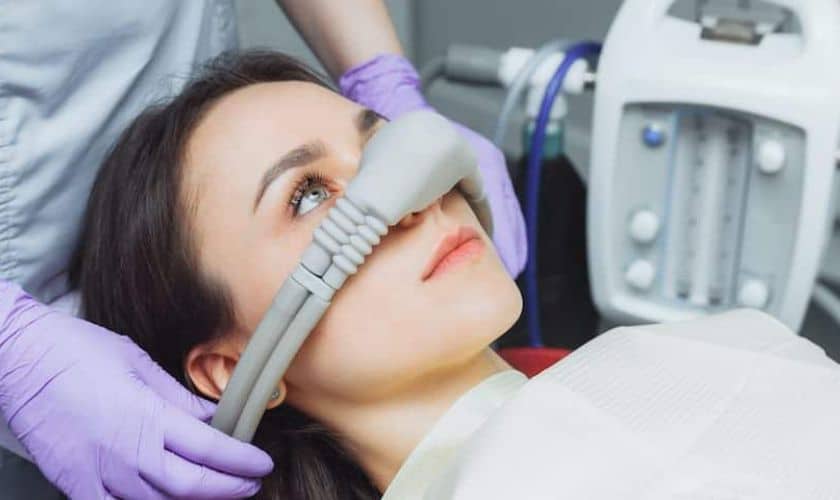
- Nitrous Oxide (Laughing Gas): Nitrous oxide, commonly known as laughing gas, is a mild form of sedation administered through a mask placed over the nose. It induces a relaxed and euphoric state, making patients feel calm and comfortable during dental procedures. One of the advantages of nitrous oxide is that its effects wear off quickly after the procedure, allowing patients to resume their daily activities without lingering drowsiness.
- Oral Sedation: Oral sedation involves taking a prescribed medication, usually in the form of a pill, before the dental appointment. This type of sedation induces a deeper level of relaxation compared to nitrous oxide. Patients may feel drowsy and may even fall asleep during the procedure, although they can be easily awakened. Oral sedation is beneficial for individuals with moderate anxiety or those undergoing longer dental treatments.
- IV Sedation: Intravenous (IV) sedation is administered directly into the bloodstream through a vein in the arm or hand. This type of sedation allows for precise control of the sedative effects, ensuring that patients remain in a comfortable and relaxed state throughout the procedure. IV sedation is often used for complex dental procedures or patients with severe dental anxiety.
- General Anesthesia: General anesthesia is the deepest form of sedation, inducing a state of unconsciousness during the dental procedure. It is typically reserved for extensive oral surgeries or for patients with significant medical or psychological conditions that require complete sedation. General anesthesia is administered and monitored by an anesthesiologist to ensure patient safety.
Choosing the Right Sedation Option
When considering sedation dentistry, it’s essential to discuss your options with your dentist and consider factors such as the complexity of the procedure, your level of anxiety, and your overall health. Your dentist will evaluate your medical history and individual needs to recommend the most suitable type of sedation for a comfortable and stress-free dental experience.
Conclusion:
Sedation dentistry offers a range of options to help patients manage anxiety and discomfort during dental procedures. Whether you prefer the mild effects of nitrous oxide or the deeper relaxation of IV sedation, exploring your options with your dentist can lead to a more comfortable and positive dental experience. Prioritize your oral health by addressing dental anxiety with sedation dentistry and enjoy a stress-free visit to the dentist.