Request an Appointment

Understanding Gum Disease: Causes, Symptoms, and Treatment
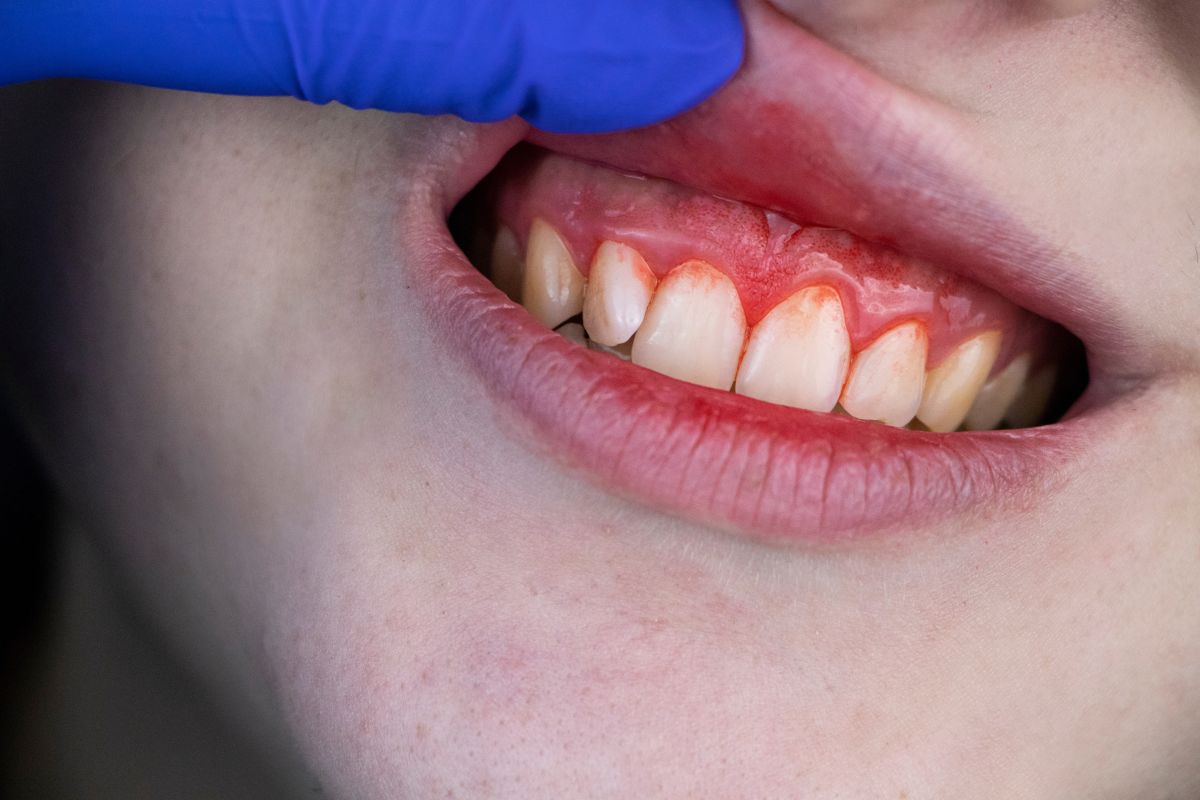
Imagine waking up one morning with swollen, bleeding gums and bad breath that doesn’t go away no matter how much you brush. These are potential signs of gum disease, a common but often overlooked condition that affects millions of people worldwide. In this comprehensive guide, we’ll delve into the causes, symptoms, and treatments of gum disease to help you understand how to keep your gums healthy.
What is Gum Disease?
Gum disease, also known as periodontal disease, is an infection of the tissues that hold your teeth in place. It’s typically caused by poor oral hygiene that allows plaque—a sticky film of bacteria—to build up on the teeth and harden. In its early stage, it’s called gingivitis, and in its more severe form, it’s known as periodontitis.
Causes of Gum Disease
Understanding the root causes of gum disease can help in prevention and early detection.
- Poor Oral Hygiene
- Not brushing and flossing regularly allows plaque to build up and harden into tartar, which can only be removed by a dentist.
- Smoking and Tobacco Use
- Smoking is one of the most significant risk factors for developing gum disease. It weakens your immune system, making it harder to fight off a gum infection.
- Hormonal Changes
- Changes in hormones, such as those occurring during pregnancy, puberty, menopause, and menstruation, can make gums more sensitive and prone to gingivitis.
- Certain Illnesses
- Diseases such as diabetes, cancer, and HIV can affect the condition of your gums. Diabetes, in particular, reduces the body’s resistance to infection, making the gums susceptible to disease.
- Medications
- Some medications can reduce the flow of saliva, which protects your gums and teeth. Others may cause abnormal overgrowth of gum tissue, making it difficult to keep teeth and gums clean.
Symptoms of Gum Disease
Recognizing the symptoms early can prevent the progression of the disease.
- Bleeding Gums
- One of the first signs of gum disease is gums that bleed easily, especially when brushing or flossing.
- Swollen, Red Gums
- Healthy gums should be firm and pale pink. Swollen and red gums are a common indicator of gum disease.
- Persistent Bad Breath
- Bad breath that doesn’t go away can be a sign of gum disease, as bacteria build up in the mouth.
- Receding Gums
- Gums that pull away from the teeth, making the teeth look longer, are a sign of gum disease.
- Loose or Shifting Teeth
- As gum disease progresses, it can destroy the gums, bones, and tissues that support the teeth, leading to loose or shifting teeth.
- Painful Chewing
- Discomfort or pain while chewing can be a symptom of advanced gum disease.
Statistics on Gum Disease
Gum disease is a widespread issue, affecting millions globally. According to the Centers for Disease Control and Prevention (CDC), nearly half of adults aged 30 and older show signs of gum disease. In adults aged 65 and older, this number rises to over 70%. These statistics highlight the importance of understanding and addressing gum disease.
Treatment of Gum Disease
Treating gum disease effectively requires a combination of professional dental care and good oral hygiene practices at home.
- Professional Cleaning
- In the early stages of gum disease, professional cleaning by a dentist or dental hygienist can remove plaque and tartar from above and below the gum line.
- Scaling and Root Planing
- For more advanced cases, a deep-cleaning procedure called scaling and root planing is performed. This involves removing plaque and tartar from above and below the gum line and smoothing the root surfaces to help the gums reattach to the teeth.
- Medications
- Antibiotic gels, mouth rinses, and oral antibiotics may be used to help control bacterial infection and inflammation.
- Surgical Treatments
- In severe cases, surgical treatments such as flap surgery, bone grafts, and soft tissue grafts may be necessary to restore supportive tissues and bone.
- Laser Treatment
- Some dentists use laser treatment to remove diseased tissue and bacteria, promoting healing and reducing the size of periodontal pockets.
Preventing Gum Disease
Prevention is always better than cure. Here are some tips to maintain healthy gums:
- Brush and Floss Regularly
- Brush at least twice a day and floss daily to remove plaque from between your teeth and under your gumline.
- Regular Dental Visits
- Visit your dentist regularly for check-ups and professional cleanings to catch any early signs of gum disease.
- Quit Smoking
- If you smoke, quitting can significantly improve your gum health and overall well-being.
- Healthy Diet
- Eat a balanced diet rich in vitamins and minerals, particularly vitamin C, which is essential for gum health.
- Use an Antimicrobial Mouthwash
- Rinse with an antimicrobial mouthwash to reduce bacteria and plaque in your mouth.
Conclusion
Gum disease is a serious condition that can have significant implications for your oral and overall health. By understanding its causes, recognizing its symptoms, and following effective treatment and prevention strategies, you can maintain healthy gums and a beautiful smile. Regular visits to your Dentist in Carrollton for professional care and guidance are essential in the fight against gum disease. If you suspect you have gum disease, don’t hesitate to seek help from a dentist to ensure your oral health is in the best possible condition.
By staying informed and proactive, you can protect your gums and enjoy the benefits of a healthy mouth for years to come.