Request an Appointment

What Happens If Your Dental Crown Breaks?
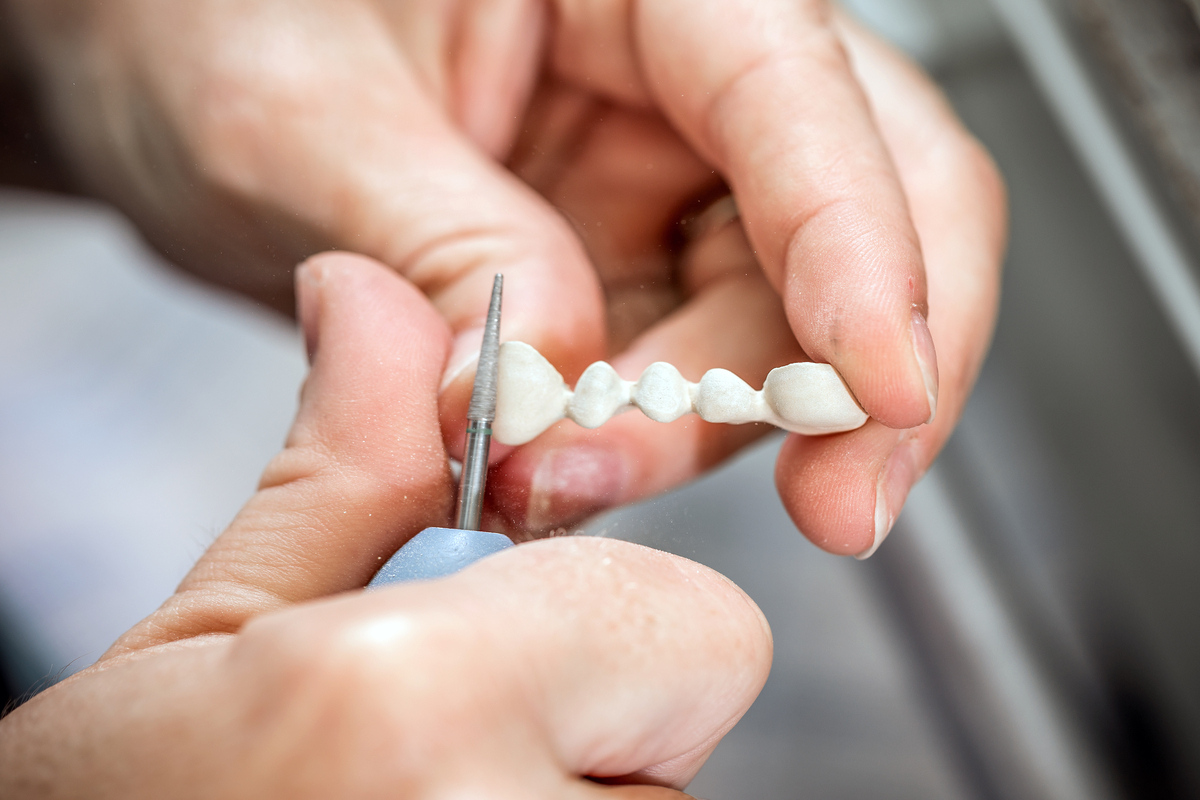
Have you ever been enjoying a meal—maybe a handful of almonds or a slice of sourdough—when you suddenly hear a sickening crunch that definitely wasn’t part of the recipe? Your heart sinks as your tongue finds a sharp, jagged edge where your smooth dental crown used to be.
First off: Don’t panic. You are definitely not alone. In the United States, more than 15 million people have dental crowns to restore their smiles. While these “caps” are incredibly durable, they aren’t invincible. Whether yours lasted fifteen years or five minutes, a broken crown is a common dental hurdle that can be cleared with the right information.
In this guide, we’ll dive into the data behind why crowns fail, what you need to do in the first 24 hours, and what your modern replacement options look like in 2026.
What Is a Dental Crown — and Why Do People Get Them?
First things first: a dental crown is a cap that covers a damaged or decayed tooth. Dentists place crowns to:
- Protect weak teeth
- Restore broken or cracked teeth
- Cover a tooth after a root canal
- Anchor a dental bridge
- Improve appearance or function
Crowns can be made from porcelain, zirconia, metal, or a combination of materials. Each material has different strengths and weaknesses — and that matters when we talk about breakage.
How Long Do Crowns Last, Really?
Before we get into breakage, let’s talk lifespan:
- Average lifespan: About 10 years for many crowns, though they can last longer with excellent care.
- Range: Most crowns will last 5–15 years, depending on material, habits, and oral hygiene.
- Gold crowns: Some metal or gold crowns can last 20+ years with proper care.
Translation: Some crowns last longer than a decade, but they don’t last forever — and adding cracks or chips into the mix shortens that timeline.
How Often Do Crowns Fail or Break?
Now for the numbers you came here for:
- Around 5%–15% of crowns may fail or have complications within 10 years.
- For modern implant-supported crowns, the 5-year survival rate is high—about 94.5–96.8%, meaning most remain intact after 5 years.
- Zirconia crowns have lower fracture rates—often below 1%–4% at 5 years, depending on type and location.
In everyday terms: yes, most crowns survive well, but a not insignificant number end up with issues — especially over the years.
Common Ways Dental Crowns Break
Let’s talk about why a crown might crack or fail. These are the most frequent causes:
- Hard or Sticky Foods: Crunchy or sticky foods can stress the crown and loosen the bonding material, especially if you chew directly with a crowned tooth.
- Teeth Grinding (Bruxism): Grinding puts constant pressure on crowns, accelerating wear. Many people grind their teeth at night without realizing it.
- Underlying Decay: The crown covers the visible part of a tooth, but decay can still develop underneath if oral hygiene is poor. This weakens the crown’s foundation and can cause failure.
- Trauma: Bumping your face, an accidental bite, or a sports injury can fracture a crown.
- Age & Wear: Over time, normal biting and chewing wear down the materials, increasing the risk of fractures.
What Happens If the Crown Just Breaks?
- You Might Feel Sharp Edges: A broken crown often leaves jagged surfaces. This can irritate your tongue or cheek if left untreated.
- Chewing Problems: Depending on where the break is, you might avoid chewing on that side — which can lead to muscle strain or uneven bite forces.
- Sensitivity or Pain: If the crown fracture exposes the underlying tooth or nerve, you can experience pain — especially with hot, cold, or sweet foods.
- Decay & Infection Risk: A broken crown makes it easier for bacteria to enter and cause decay under the crown, potentially leading to infection.
- Tooth Loss Risk (in severe cases): If decay or trauma is severe and the remaining tooth structure is compromised, extraction may be necessary — but this is a worst-case scenario.
What Should You Do If Your Crown Breaks?
- Call Your Dentist Right Away: Even if it doesn’t hurt, you’ll want professional care ASAP.
- Don’t Try to Fix It Yourself: Re-cementing the crown or forcing it back into place can trap bacteria and cause more problems.
- Save the Pieces: If the crown broke into parts, gently rinse them and take them with you — sometimes the dentist can re-use them.
Temporary Measures
While waiting for your appointment:
- Avoid chewing on that side
- Watch out for sharp edges
- Use dental wax or sugar-free gum to cover rough areas
How Dentists Fix a Broken Crown
Depending on the situation, your dentist may:
- Re-cement the Crown: If the crown broke free but is still intact, and the tooth underneath is healthy.
- Repair the Crown: Small chips can sometimes be patched with composite material.
- Replace With a New Crown: This is the most common solution when the crown is cracked or the fit is compromised.
- Restore the Underlying Tooth: If decay or damage extended beneath the crown, additional treatment may be needed before placing a new crown.
Tips to Prevent Crown Breakage
Here’s how to protect your investment:
- Maintain Excellent Oral Hygiene: Brush and floss daily — especially around the crown margins.
- Wear a Night Guard if You Grind Your Teeth: It reduces stress on yourcrowns.
- Avoid Chewing Hard or Sticky Foods: Especially with crowned teeth.
- Keep Routine Dental Visits: Your local certified dentist in Carrollton can catch early warning signs before a major break.
Conclusion
A broken dental crown is a literal pain, but it’s a very solvable problem. With a 97% success rate for crowns at the 10-year mark, your next restoration is likely to be a long-term investment in your health. The key is acting fast. By seeing your dentist within 48 hours, you can often avoid the need for more expensive procedures like root canals or implants.
Stay away from the peanut brittle for a few days, get that wax on the sharp edge, and give your dentist a call. Your smile will be back to 100% before you know it.
Frequently Asked Questions
1. How urgent is a broken crown — can I wait a few days?
If you’re in pain, experiencing sensitivity, or the crown is loose, call your dentist the same day. Even without pain, don’t delay beyond a day or two.
2. Can a crown break without pain?
Yes — especially if only a small part chips off and doesn’t expose the nerve.
3. Can a broken crown be repaired instead of replaced?
Small chips can sometimes be patched, but significant fractures usually require a replacement.
4. Does dental insurance cover a new crown?
Many plans cover a portion after a waiting period, but coverage varies. Check with your provider.
5. How do I prevent future breakage?
Good oral hygiene, regular dental checkups, wearing night guards for teeth grinding, and avoiding hard/sticky foods help protect crowns.