Request an Appointment

Why is There a Gap Between My Teeth? Causes & Treatments
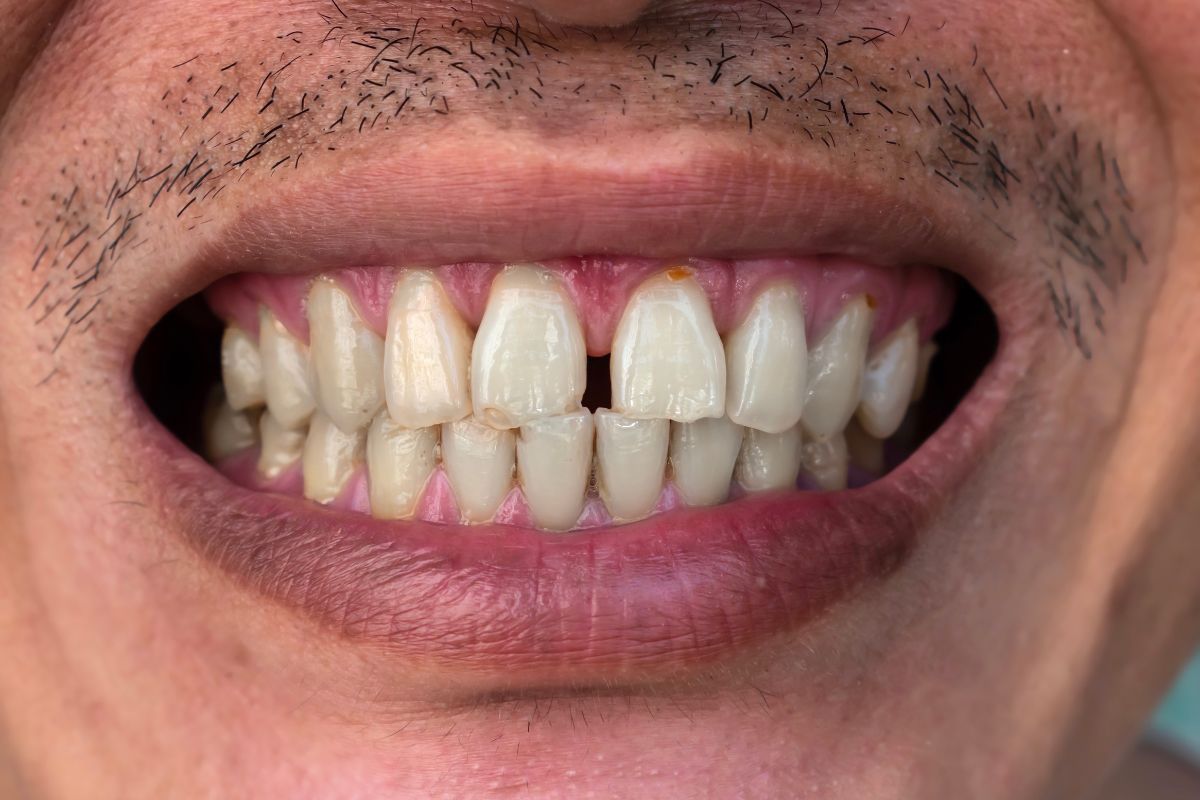
Have you noticed the spacing between your teeth and might wonder why it’s there? While it may seem like a simple cosmetic concern, the underlying causes can vary from person to person. Fortunately, there are ways to close these spaces and improve your smile’s aesthetics. Read this blog to explore the reasons behind teeth gaps and the treatments a dentist usually recommends to conceal them.
Common Causes of Teeth Gaps
Below are the factors that result in uneven spacing between teeth.
Genetics and Jaw Size: One of the primary reasons for gaps is genetics. If you inherited a more prominent jaw or smaller teeth from your family, it can lead to noticeable gaps. You might even be surprised to learn that many members share this same dental trait. Consulting a dentist in Carrollton can help you understand these genetic factors and explore personalized treatment options.
Imbalanced Teeth and Jaw: Some individuals have smaller teeth as compared to their jaw size, which might cause more spacing issues. To close this gap, orthodontic treatment is usually recommended.
Oversized Labial Frenum: The thin tissue above the front teeth that joins the top lip to the gum is called the labial frenum. If this tissue is thicker than normal, you may notice your two front teeth are forced apart, resulting in a noticeable gap.
Undeveloped or Missing Teeth: After baby teeth fall out, adult teeth might occasionally fail to erupt, leaving a space. Moreover, if tooth loss occurs due to trauma or decay, new spaces are formed when the alignment of surrounding teeth changes.
Childhood Habits: Prolonged thumb sucking, pacifier use, or tongue thrusting during early childhood often puts consistent pressure on the front teeth. This makes them drift apart.
Teeth Grinding and Clenching: Bruxism, the condition of grinding or clenching teeth, exerts excessive force on the upper and lower teeth. Over time, this pressure can push teeth outward, resulting in minor gaps.
Gum Disease and Bone Loss: Periodontal disease can weaken the supporting bone structure of the teeth. Once bone deteriorates, your teeth may become loose and shift, creating noticeable gaps. You can approach a dentist to prevent gum disease or further bone deterioration.
How Can Teeth Gaps Be Closed?
Below are some treatment procedures to fix gaps between your teeth:
1. Braces
Minor to significant dental gaps can be filled with traditional braces. By applying constant pressure, the metal wires and brackets gradually move the teeth into their proper positions, removing extra space.
2. Invisalign
Invisalign is a gentle way to shift teeth into perfect alignment for individuals looking for a more discreet orthodontic solution. Both adults and teenagers both prefer these clear, detachable aligners because they offer an almost undetectable solution to address tooth spacing.
3. Veneers
Porcelain veneers are thin, precisely crafted shells that cover the front of the teeth. They can successfully cover small gaps and create a more balanced smile.
4. Dental Bonding
To cover tiny gaps between teeth, a tooth-colored resin is applied during the bonding process. For those looking for a treatment that blends in perfectly with their natural teeth, this minimally invasive procedure is perfect for closing spacings.
Teeth gaps can be caused by oral health issues, dental habits, and genetics. Although they may appear to be a minor cosmetic concern, dental spacing can result in functional and health problems. To fill these gaps, you can opt for veneers, dental bonding, Invisalign, and braces. If you want to explore these treatments and restore the look of your smile, schedule an appointment with a dentist.