Request an Appointment

What Are Black Spots On Teeth: Causes And When To Worry?
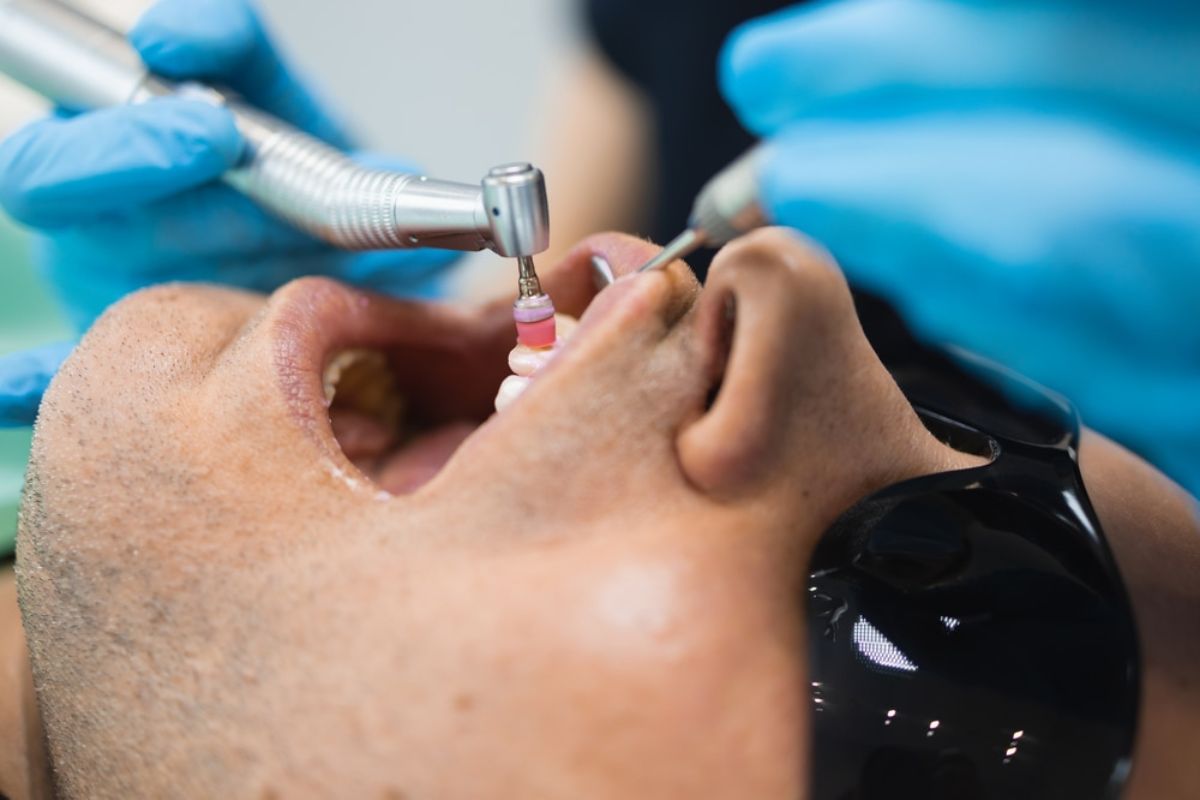
Brush regularly, skip sugary snacks, and still notice black spots on your teeth? While it’s easy to dismiss these marks as surface stains, their persistence often signals an underlying dental concern. For many, those dark spots raise valid questions about tooth decay, tartar buildup, or infection.
In a busy community like Carrollton, where life moves quickly between work, school, and family commitments, it is easy to postpone dental visits. But your smile is trying to tell you something, and understanding the cause early can make all the difference. Let us explore what these black spots mean.
What Is Causing Black Spots On Teeth?
Before you panic, it is important to understand that not all black spots are equal. Some may seem as harmless as surface stains, while others are early signs of tooth decay, enamel erosion, and dental cavities. Visiting an experienced and trusted dentist can help determine what is happening beneath the surface. Here are the most common culprits behind black spots on teeth:
Stain Foods And Drinks: Dark Residue From Daily Habits
Black tea, red wine, coffee, and berries can leave dark pigments behind. Over time, these can stick to the enamel and form extrinsic stains, especially if brushing is not frequent or thorough enough. While they do not necessarily indicate decay, they can become stubborn if ignored.
Tartar and Plaque Buildup: Hardened Deposits That Turn Dark
Over time, plaque hardens into tartar, which often appears yellow or brown initially but can darken. Tartar is more difficult to remove at home and usually requires a professional dental cleaning.
Tooth Decay And Cavity Spots: Signs Of Enamel Breakdown
This is where it gets serious. One of the most common causes of black spots on teeth is decay. When enamel breaks down because of acid-producing bacteria, the dentin beneath becomes exposed, creating blackened holes or pits. These spots grow and eventually become painful without diagnosis.
Old Fillings Or Metal Restorations: Dark Edges Around Dental Work
Amalgam fillings containing metal can oxidize over time, making the surrounding enamel appear dull. Discoloration around old dental work is common and can look like a black spot or streak.
Fluorosis and Enamel Hypoplasia: Developmental Enamel Defects
Sometimes the cause is developmental enamel defects. This can include fluorosis (from excessive fluoride during tooth development) or hypoplasia, where enamel does not fully form. These conditions make teeth more vulnerable to decay and staining.
Smoking and Tobacco Discoloration: Persistent Tar Stains
Tobacco use, whether smoking or chewing, broadly stains teeth. Nicotine and tar penetrate the enamel, creating deep tobacco stains that brushing alone can’t remove. These stains often turn black or brown over time.
When Should You Be Concerned About Deep Dental Marks?
If the black spot doesn’t fade after brushing, seems to grow, or comes with pain and sensitivity, seek immediate help. Especially if you are part of the active, family-focused community around Carrollton, where long workdays and packed schedules make it easy to delay routine checkups, don’t ignore these signs.
Look out for the following:
- Sudden pain while eating or drinking hot or cold items.
- A visible hole in the tooth.
- Bad breath or a metallic taste in your mouth.
- Gum inflammation near the dark spot.
These symptoms could indicate advanced decay, infection, or even early gum disease. A dental checkup can relieve discomfort and prevent more invasive treatment later.
Let iO Dentistry Take A Closer Look At That Small Spot
A black spot on your tooth may look small, but it could be your body’s early warning sign that something is wrong. Whether it is early decay, enamel erosion, or a buildup that brushing cannot fix, it is not something to ignore.
At iO Dentistry, we treat every concern with the attention it deserves because even the smallest changes in your smile matter. With gentle care and advanced diagnostics, we will find the cause and guide you toward the right solution. Schedule an appointment today or visit our dental practice in Carrollton for a clear diagnosis and personalized treatment plan. Let us help you keep your smile strong, healthy, and worry-free.
Conclusion
Black spots on teeth can have different causes, including surface stains, tartar, or tooth decay. While some discoloration may be cosmetic, a dark spot can indicate developing or advanced decay, especially when it comes with tooth sensitivity, pain, a hole, bad breath, or changes in the tooth’s surface. A dental examination is the best way to determine whether a black spot needs treatment.
At iO Dentistry Carrollton, Dr. Kim Ly Nguyen can examine dark spots and other changes in your teeth to determine the underlying cause. Early evaluation can help distinguish ordinary staining from decay or another dental concern and may prevent a small problem from becoming more serious. Schedule an appointment if you notice a new, growing, or persistent black spot.
You do not have to guess whether a dark mark is simply a stain or something that needs treatment. Visit our dental practice for a professional evaluation and personalized recommendations for maintaining healthy teeth and gums.
Frequently Asked Questions
1. Can iO Dentistry Carrollton check a black spot on my tooth?
Yes. Dr. Kim Ly Nguyen can examine the spot and determine whether it’s staining, tartar, decay, or another concern.
2. Does a black spot always mean I have a cavity?
No. Black discoloration can have several causes, although dark spots can sometimes be associated with tooth decay.
3. Can tartar cause black spots on teeth?
Yes. Hardened tartar can appear yellow, brown, or black and may require professional cleaning for removal.
4. When should I have a black spot checked?
Have it evaluated if it is new, getting larger, or accompanied by pain, sensitivity, bad breath, or a visible hole in the tooth.
5. What can Dr. Kim Ly Nguyen do for a dark spot on my tooth?
Dr. Kim Ly Nguyen can identify the likely cause and recommend appropriate care, such as professional cleaning or restorative treatment when needed.