Request an Appointment

Can Dental Crowns Get Cavities? Causes, Risks, and Prevention
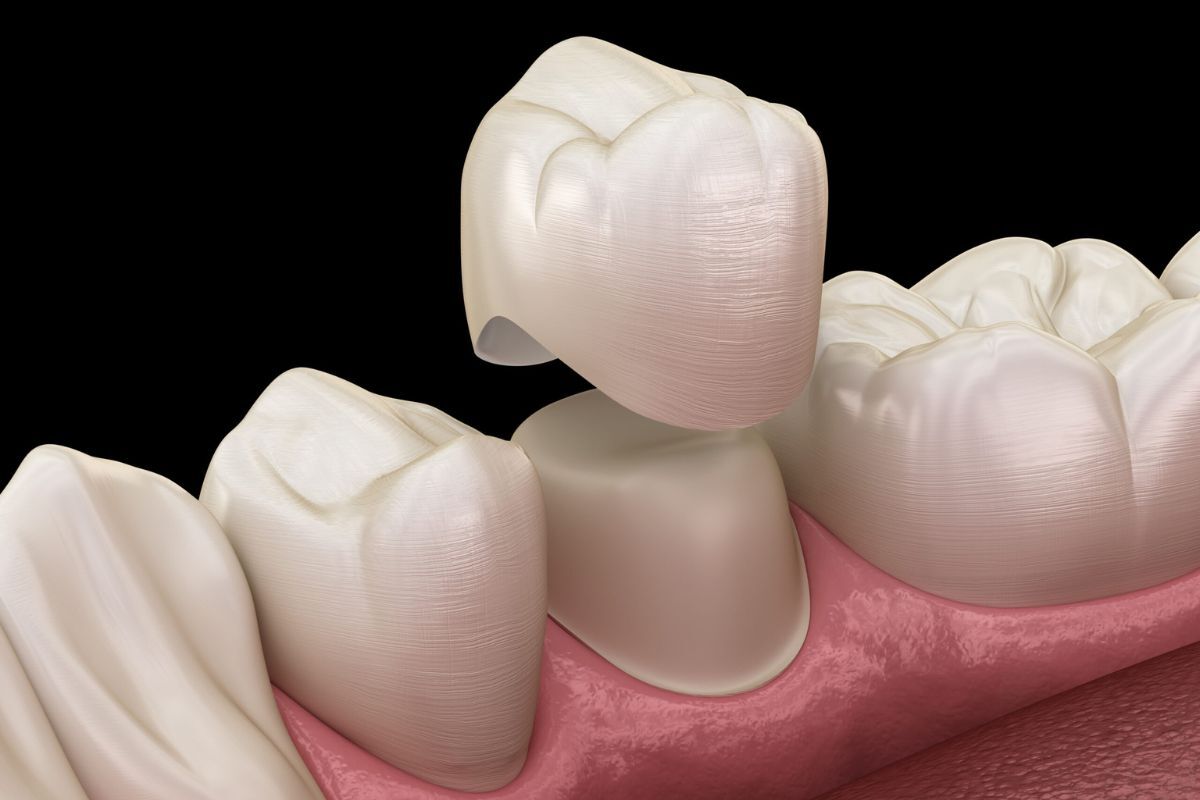
Dental caps are a common solution for restoring teeth that are weakened by decay or damage. They protect the tooth, enhance its strength, and improve its appearance. However, one question that often comes up is: Can dental crowns get cavities? The answer is that while crowns themselves do not develop cavities, the underlying tooth can still be susceptible to decay if proper care is not taken.
So, are you aware of the risks of cavities forming around crowns and the factors that contribute to tooth decay? Or do you know what you can do to prevent these issues and keep your crown and smile in top condition? Keep reading this blog till the end.
What Causes Cavities Around Tooth Crowns?
When asking if dental crowns get cavities, it’s important to remember that these caps do not experience decay. However, the teeth beneath them can still be affected. Plaque and bacteria can accumulate around the edges of the crown, leading to cavities in the underlying tooth.
Several factors contribute to cavity formation:
- Poor Oral Hygiene: If plaque and food particles accumulate around the crown and aren’t removed with proper brushing and flossing, bacteria can thrive. Moreover, it increases the risk of cavities.
- Wear and Tear: Over time, crowns can wear down or shift, creating tiny gaps between the crown and the tooth. These gaps allow bacteria to sneak in, causing decay under the crown.
- Diet: A diet high in sugary or sticky foods contributes to plaque buildup around the capped tooth. This leads to cavities forming on the tooth beneath the crown.
So, while the question of whether dental crowns get cavities might be misleading, it is clear that cavities can still form around the crown if proper care is not taken.
Can Dental Crowns Get Cavities on Their Own?
At iO Dentistry Carrollton, we find that most people asking if dental crowns can get cavities on their own are wrong. The precise answer is that these dental restorations cannot develop cavities alone, as they are made of materials like porcelain, metal, or ceramic that are not susceptible to decay. However, the tooth beneath the crown can still be at risk of cavities if the crown doesn’t fit properly or becomes loose.
For example, if a crown has worn down or if there is a small gap between the crown and the tooth, bacteria can seep underneath the crown and cause decay. This can lead to cavities forming around the crown where the tooth is exposed. So, even though the crown itself doesn’t get cavities, the surrounding tooth can still face the risk of decay.
Preventing Cavities Around Tooth Crowns
If you’re wondering if dental crowns get cavities, the best way to protect them and the underlying tooth is by maintaining excellent oral hygiene. Here are a few tips to prevent cavities from forming around your dental restorations:
- Brush Regularly: Brush your teeth twice a day using fluoride toothpaste. Focus on brushing around the edges of your crown to remove plaque and food particles.
- Floss Daily: Flossing is crucial, especially around the capped tooth. Use floss to clean between your teeth and around the caps to remove trapped debris that could lead to cavities.
- Visit Your Dentist Regularly: Regular dental visits ensure your oral condition is healthy. During your routine checkups, your dentist can check for any decay, wear, or loosening. At iO Dentistry Carrollton, we specialize in helping our patients maintain healthy crowns for a lifetime.
- Avoid Sticky Foods: Sticky foods can get trapped around the crown, leading to plaque buildup. Avoid foods like caramel, taffy, and gummy candies, which can cling to your crown and increase your risk of cavities.
- Use a Night Guard: If you grind your teeth at night, a night guard can protect your capped tooth and the tooth beneath it. Teeth grinding can damage both the crown and the tooth, increasing the risk of cavities around your dental crown.
By following these simple tips, you can reduce the risk of cavities forming around your tooth caps and maintain a healthy, beautiful smile.
Maintain Your Oral Health for Long-Lasting Dental Restorations
So, can dental crowns get cavities? The answer is no, they themselves don’t get cavities. However, the tooth beneath the crown can still develop cavities if proper care isn’t taken. Maintaining good oral hygiene, getting regular dental checkups, and avoiding harmful foods can help protect both your dental crown and the underlying tooth.
At iO Dentistry Carrollton, we are committed to helping you maintain a healthy smile for years to come. Schedule an appointment today if you have concerns about your dental restorations or want a checkup, and our team will ensure your smile stays in great shape.