Request an Appointment

How To Clean and Care For Dental Crowns? Expert Tips From A Family Dentist
So, you’ve just walked out of the dentist’s office with a brand-new dental crown. Whether it’s a shiny gold molar or a seamless porcelain front tooth, it feels a little like getting a new lease on your smile, doesn’t it? But here’s the million-dollar question: now that you’ve made the investment, how do you make sure that “cap” stays put for the next decade (or three)?
If you’re wondering if you can still eat your favorite sourdough bread or if you need a special “crown-only” toothpaste, you’re in the right place. We aren’t just looking at the “how-to”—we’re looking at the hard data behind why some crowns last a lifetime while others fail in a few short years. Let’s dive into the expert-backed strategies to protect your pearly whites.
The Reality of Dental Crowns
Dental crowns are one of the most common restorative procedures in the United States. In fact, by 2026, the global market for dental crowns and bridges is projected to reach approximately $4.81 billion, driven largely by a growing aging population in the United States and advancements in digital dentistry.
Despite their popularity, they aren’t “set it and forget it” devices. While the American Dental Association (ADA) notes that crowns can last 5 to 15 years, proper maintenance can extend that lifespan to 25 or 30 years.
The stakes are high: approximately 91% of U.S. adults aged 20–64 have had cavities in their permanent teeth, and decay remains the leading cause of crown failure.
What Are Dental Crowns — and Why Care Properly?
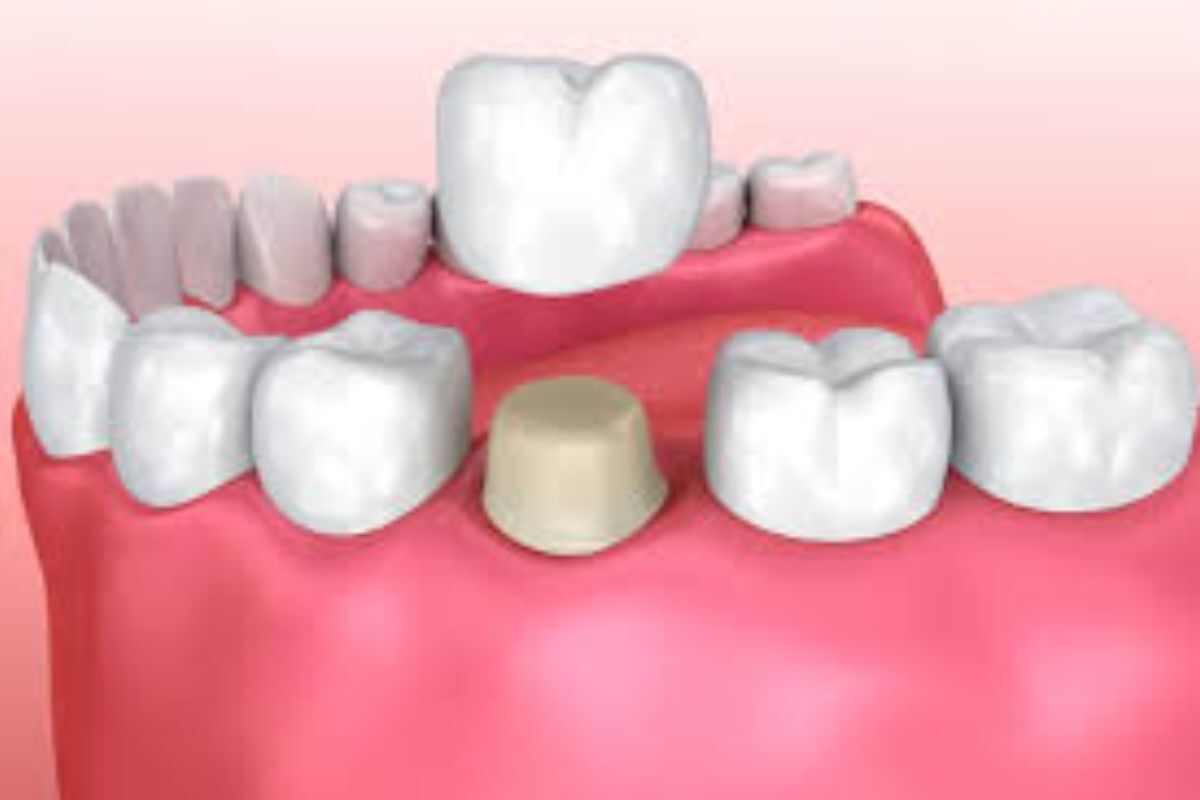
A dental crown is a custom “cap” placed over a damaged or decayed tooth to restore its shape, strength, and appearance. Crowns are incredibly common: dentists in the U.S. place millions of them each year, especially after a root canal or significant decay.
Here’s the thing: even though crowns protect your tooth, they’re not maintenance-free. Around the edges where your crown meets your gumline, plaque and bacteria can build up just like on natural teeth — potentially leading to decay or gum disease if not properly managed.
Interesting fact: Dental research shows that poorly maintained dental crowns have a measurable failure rate, with 10% to 19% failing within 10 years, often due to poor oral hygiene or other avoidable factors.
Dental Crown Cleaning 101: Daily Routine Essentials
Imagine your crown like a prized appliance in your home — it works great, but only if you take care of it.
Here’s how to make your daily dental routine work for your crown:
Brush Twice a Day (Yes, Like Natural Teeth!)
- Use a soft-bristled toothbrush and a non-abrasive fluoride toothpaste. Hard or abrasive brushes can scratch the crown surface over time.
- Brush with gentle, circular motions — paying extra care at the gumline where the crown meets your natural tooth.
- Think of it as protecting two surfaces at once: the crown and the natural tooth underneath.
Pro tip: Electric toothbrushes with pressure sensors can be great for consistent, gentle cleaning.
Floss Every Day — But Do It Right
Flossing is a must, but technique matters.
- Slide the floss gently between teeth — don’t snap it down hard around a crown.
- If traditional floss feels awkward around crowns or bridges, consider a water flosser or interdental brush instead.
Why? Because trapped plaque near the gumline is one of the top causes of decay around crowned teeth.
Add an Antibacterial Mouthwash
A quality fluoride or antibacterial mouthwash helps kill lingering bacteria that brushing and flossing may miss —especially near the base of the crown.
- Rinse once or twice a day, if your dentist recommends it.
- This extra rinse can help reduce gum inflammation and plaque buildup around crown margins.
Tip: Alcohol-free formulas avoid drying out your mouth and weakening the bonding cement.
Smart Eating & Habits That Protect Your Crown
Your mouth isn’t a garbage disposal — and your crown will thank you for it.
Avoid Sticky or Hard Foods
These foods may look innocent, but can:
- Pull on crown margins
- Dislodge or crack the crown
- Trap sugars and fuel bacterial growth
Avoid chewing ice, hard candies, taffy, caramel, nuts, and popcorn kernels.
Opt instead for softer foods or cut tough items into smaller pieces before eating.
Stop Using Teeth as Tools
We know — it’s tempting to open a container with your teeth. But resist. Using your mouth as a tool can stress the crown, chip the material, or weaken the cement bond.
Protect Against Teeth Grinding (Bruxism)
If you grind or clench your teeth at night — a condition called bruxism — your crown may wear prematurely.
Talk to your local qualified family dentist in Carrollton about a custom nightguard. These appliances absorb clenching force and can dramatically extend your crown’s lifespan.
Regular Dental Visits: Your Best Defense
You brush and floss — but your dentist still sees things you might miss.
Why Routine Checkups Matter
- Plaque and tartar removal around crown margins
- Early detection of decay or gum inflammation
- Assessing crown fit and bite alignment
- Spotting cracks or loose cement before it becomes a big problem
Most dental professionals recommend professional cleanings and checkups every 6 months — even with dental crowns.
Watch These Signs — Don’t Ignore Them
Your crown should feel natural. If you notice any of these, call your dentist:
- Sensitivity when biting or chewing
- A loose or shifting crown
- Gum redness, swelling, or bleeding
- Bad taste or odor around the crown
- Visible chips or cracks
Addressing issues early reduces the chance of needing a replacement.
How Long Should a Crown Last?
Dental crowns are extremely durable — but not permanent.
Typical lifespan: Most crowns last 10 to 15 years or more with proper care.
With excellent home care and regular checkups, many can last 20 years or longer!
Remember: bacterial decay at the crown’s margin is more likely to shorten lifespan than the crown material failing on its own.
The Power of Oral Hygiene Backed
Let’s look at some dental research insights:
A longitudinal study found that dental crowns have a relatively low annual failure rate when properly installed and cared for.
A comprehensive study from the National Dental Practice-Based Research Network reported a remake (replacement) rate of about 3.8% for single-unit crowns, influenced by dentists’ technique and patient factors.
Crowns placed on endodontically treated teeth (such as after a root canal) carry a slightly higher risk of failure, so good hygiene and monitoring are even more crucial in these cases.
Real Tips from Family Dentists
Here’s what family dentists consistently recommend for long-lasting crowns:
- Brush twice daily with gentle techniques
- Floss daily — but carefully
- Use a fluoride mouthwash if recommended
- Avoid chewing hard or sticky foods
- Wear a nightguard if you grind your teeth
- Visit your local certified family dentist in Carrollton regularly for checkups and cleanings
Following these simple steps is often the difference between a crown that lasts a few years and a smile that lasts decades.
Conclusion
Dental crowns are one of dentistry’s most reliable tools — a long-lasting solution for damaged, worn, or weakened teeth. But longevity isn’t automatic.
The secret? Daily maintenance plus professional care. Brush smart, floss gently, mind your diet, protect your teeth from grinding, and keep those dental appointments.
Your crown is more than a cap — it’s an investment in your oral health. Treat it with a little extra attention, and your smile will thank you for years to come.
Frequently Asked Questions
1. Can I clean my crown like my natural teeth?
Yes! Brush twice daily and floss gently — caring for crowns is very similar to caring for natural teeth, especially at the gumline.
2. Do dental crowns ever decay?
While the crown material itself doesn’t decay, the natural tooth underneath can develop decay if plaque builds up around the margins.
3. How can I protect my crown from damage?
Avoid chewing hard or sticky foods, stop using your teeth as tools, and wear a night guard if you grind your teeth.
4. How often should I see my dentist with crowns?
Most dentists recommend cleanings and checkups every six months to keep crowns and gums healthy.
5. How long will my dental crown last?
With proper care, many crowns last 10–15 years or more, and some can reach 20+ years.