Request an Appointment

What’s The Difference Between Family Dental Care and Emergency Dental Care?

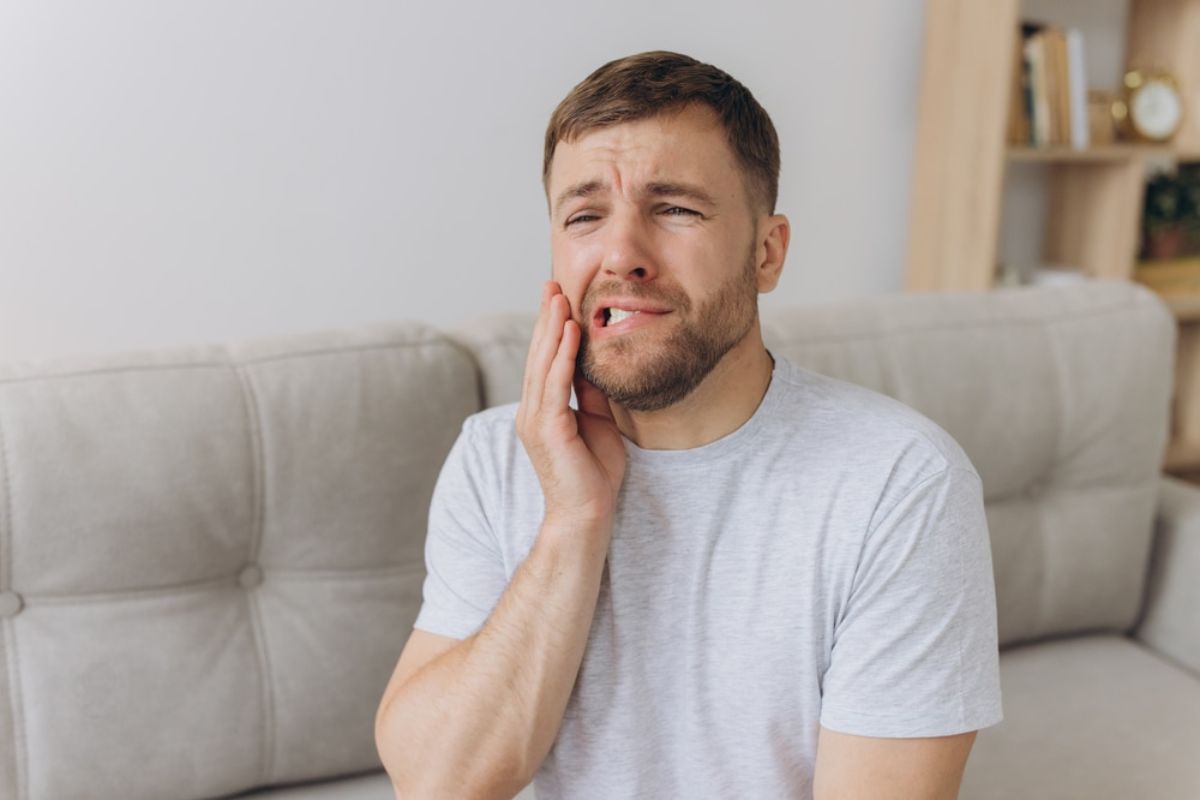
Ever found yourself staring at the ceiling at 2:00 AM, clutching your jaw, and wondering if that “tiny” toothache you ignored last month is finally seeking its revenge? You aren’t alone. In the United States, about 2 million visits to hospital emergency departments each year are for dental pain—many of which could have been managed or prevented with a quick call to a family dentist.
But when the pain hits, how do you know if you should wait for a Monday morning appointment or start driving to the nearest urgent care? Understanding the line between Family Dental Care and Emergency Dental Care isn’t just about saving your teeth; it’s about saving your time, your sanity, and—as we’ll see in the data—a significant amount of money.
What is Family Dental Care?
Think of family dental care as the “primary care” of oral health. A family dentist is trained to treat patients of all ages, from a toddler’s first checkup to a grandparent’s new set of dentures. Their focus is on longevity, prevention, and comprehensive health.
The Core Services
Family dentistry is built on a foundation of routine maintenance. According to the Journal of Dental Medicine, preventive dental care (PDC) is directly associated with lower overall healthcare costs. Standard services include:
- Professional Cleanings: Removing plaque and tartar that home brushing can’t touch.
- Comprehensive Exams: Using X-rays to spot issues before they become painful.
- Fillings and Sealants: Repairing minor decay to prevent deep infections.
- Patient Education: Teaching you how to brush and floss to avoid the “emergency” chair later.
Why Routine Care Matters
Data from the American Dental Association (ADA) suggest that nearly 80% of dental-related emergency room visits are for preventable conditions such as abscesses and dental caries (cavities). By visiting a family dentist twice a year, you are essentially buying “insurance” against the high-stress, high-cost world of emergency surgery.
What is Emergency Dental Care?
Emergency dental care is designed for situations that cannot wait. These are clinical scenarios where delaying treatment could lead to permanent tooth loss, severe infection spreading to the bloodstream, or unbearable pain.
What Constitutes a True Emergency?
Not every “ouch” is an emergency. Generally, emergency dentists focus on:
- Traumatic Injury: A tooth that has been knocked out (avulsed) or severely fractured in an accident.
- Severe Pain/Infection: Throbbing pain that prevents sleep or work, often accompanied by facial swelling.
- Uncontrolled Bleeding: Post-surgical bleeding or trauma that won’t stop after applying pressure.
- Abscesses: A pocket of pus that indicates a dangerous infection.
The Emergency Statistics
According to the National Center for Health Statistics, adults aged 25–34 account for the largest share of dental-related emergency department visits (29.2%). This often correlates with a lack of routine family dental visits during early adulthood. Furthermore, research published in StatPearls (2025) highlights that untreated dental emergencies can progress to “deep space infections” affecting the neck and sinuses, which can become life-threatening.
The Economic Impact of “Waiting Until It Hurts”
If you’re looking for a reason to book that cleaning, look at your wallet. A study by health insurer Cigna found that plan members who did not receive preventive dental care had significantly higher per-person costs for emergency visits and root canals.
In fact, the Healthcare Cost and Utilization Project (HCUP) reported that dental-related ER visits cost the U.S. healthcare system roughly $1.6 billion annually. The tragedy? Most of those visits provide only temporary relief (such as antibiotics or pain medication) rather than a permanent fix, so the patient still has to see a dentist afterward.
Why Preventive Care Matters More Than You Think
Here’s a fact that often surprises people: routine care actually reduces emergency visits. That’s because many emergencies result from long-term neglect or untreated problems.
When patients skip regular visits, small cavities or gum issues can develop into abscesses or infections that eventually lead to an emergency room visit.
A CDC analysis found that nearly 1 in 5 adults aged 20–64 has at least one untreated cavity — something that could be caught during routine care.
Beyond Pain: What ER Visits Often Miss
While emergency departments can provide temporary pain relief — including antibiotics and analgesics — they typically:
- Do not fix underlying dental conditions
- Rarely have on-site dentists
- Often prescribe temporary remedies only
This means patients could return with the same problem — or worse — within weeks.
Preventing Emergencies: Top Tips
Here are steps every family can take to lower the risk of costly emergency dental care:
- Visit a family dentist regularly (every 6 months)
- Brush twice daily and floss once daily
- Limit sugary beverages and snacks
- Wear mouthguards during sports
- Address small problems before they grow
It’s not just about a bright smile — it’s about a healthier wallet and fewer sleepless nights.
Conclusion
The difference between family and emergency dental care is the difference between a planned pit stop and a roadside breakdown. While family dental care focuses on keeping your “vehicle” running smoothly for years, emergency care is the “tow truck” that rescues you when things go wrong.
By maintaining a consistent relationship with a local family dentist in Carrollton, you reduce your risk of needing emergency services by nearly 80%. Your smile—and your bank account—will thank you for choosing the scheduled checkup over the midnight emergency run.
Frequently Asked Questions
1. What counts as a dental emergency?
A dental emergency is any situation involving pain, infection, bleeding, trauma, or swelling that cannot wait for treatment at a regular appointment.
2. Is emergency dental care the same as regular dental care?
No — emergency care focuses on immediate relief and stabilization, while regular care focuses on prevention and long-term oral health.
3. Why are emergency dental visits so expensive?
Costs are higher in emergency departments due to hospital charges, provider fees, and, in many cases, the lack of dental insurance coverage.
4. Can regular dental visits prevent emergency visits?
Yes — studies show that routine care reduces the number of preventable dental problems that escalate to emergencies.
5. How often should I get a dental check-up?
Most dentists recommend a check-up every six months, though your dentist may tailor it to your personal needs.