Request an Appointment

Can Dentures Cause Black Spots on My Teeth?
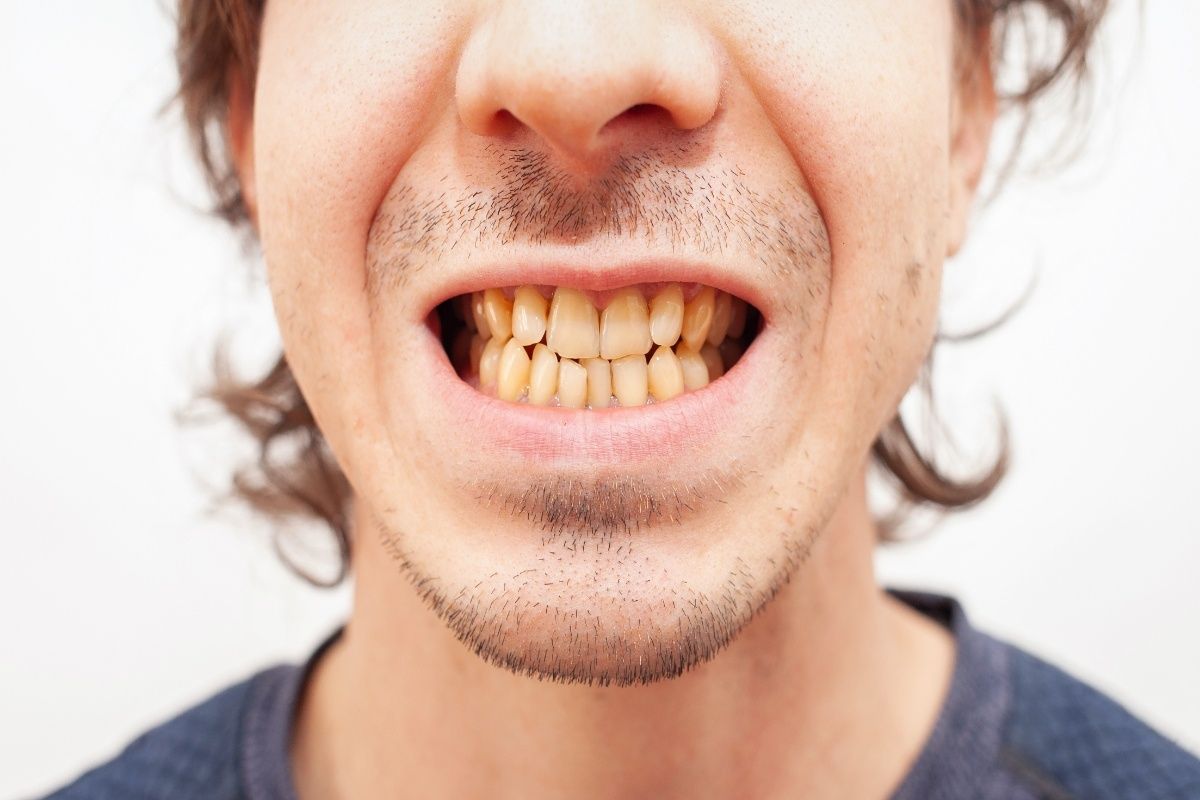
Have you noticed dark stains or black spots on your teeth after getting dentures? You are not alone. Many denture wearers across the United States become concerned when they notice discoloration near the gumline, around dental clasps, or on their remaining natural teeth.
The good news is that black spots do not always mean severe tooth decay. In many cases, dentures may contribute to staining, plaque buildup, trapped bacteria, and tartar accumulation, which can cause dark discoloration. However, in some cases, black spots may indicate cavities, gum disease, or other underlying oral health problems that require professional treatment.
According to the Centers for Disease Control and Prevention, complete tooth loss still affects millions of Americans, especially older adults. About 11% of adults ages 65–74 have lost all their teeth, while roughly 20% of adults age 75 and older are completely edentulous.
Because dentures are so common, understanding how they affect oral health is important for preventing long-term dental complications.
In this guide, we’ll explain:
- Whether dentures can cause black spots on teeth
- Common causes of dark stains
- Signs of tooth decay versus harmless discoloration
- How to treat black spots
- Ways to prevent future staining
Can Dentures Actually Cause Black Spots on Teeth?
Yes, dentures can contribute to black spots or dark discoloration on natural teeth under certain conditions.
Dentures themselves do not directly “create” black spots, but they can lead to issues that increase staining and bacterial buildup, including:
- Plaque accumulation
- Tartar buildup
- Trapped food particles
- Poor oral hygiene
- Friction against teeth
- Metal clasp staining
- Increased bacterial growth
Partial dentures are more likely to cause black spots because they attach to the remaining natural teeth with clasps or connectors.
When plaque and bacteria remain trapped between dentures and teeth, dark stains or tooth decay may develop over time.
What Do Black Spots on Teeth Mean?
Black spots can appear in different ways:
- Small black dots
- Dark brown stains
- Gray discoloration
- Black lines near the gumline
- Dark patches around dental work
According to dental experts, black spots commonly result from:
- Tooth decay
- Tartar buildup
- Smoking
- Food and beverage stains
- Old fillings
- Poor oral hygiene
Some black spots are harmless surface stains, while others may indicate cavities or enamel damage.
How Dentures Contribute to Black Spots on Teeth
1. Plaque and Tartar Buildup
Dentures can trap food and bacteria against natural teeth. If dentures are not cleaned properly, plaque begins accumulating quickly.
Over time, plaque hardens into tartar, which may appear:
- Yellow
- Brown
- Dark brown
- Black
Black tartar often develops near the gumline or around denture clasps.
According to Healthline, tartar buildup may appear black when bacteria, staining compounds, or blood pigments accumulate over time.
2. Denture Clasps May Trap Bacteria
Partial dentures often use metal clasps to attach to natural teeth. These clasps can create tiny spaces where:
- Food particles collect
- Moisture remains trapped
- Bacteria multiply
This environment increases the risk of:
- Tooth decay
- Dark staining
- Gum inflammation
If brushing and flossing are inconsistent, black spots may begin forming around the clasped teeth.
3. Poor Denture Cleaning Habits
Many patients clean their dentures regularly but forget to thoroughly clean their remaining natural teeth.
This creates a serious problem because bacteria continue to grow beneath and around the dentures.
The American College of Prosthodontists reports that more than 120 million Americans are missing at least one tooth, making proper denture hygiene essential for oral health.
Without daily cleaning:
- Plaque hardens
- Bacteria increase
- Tooth enamel weakens
- Black spots become more likely
Can Dentures Cause Cavities?
Yes. Dentures themselves do not directly cause cavities, but poor oral hygiene around them can significantly increase the risk of cavities.
When plaque sits on teeth for long periods:
- Acids attack enamel
- Decay begins
- Teeth darken
- Black holes or spots may appear
According to Healthline, cavities are one of the most common causes of black discoloration on teeth.
Common warning signs include:
- Tooth sensitivity
- Pain while eating
- Dark pits or holes
- Persistent bad breath
- Toothache
Are Black Spots Always Tooth Decay?
No. Not every dark spot means you have a cavity.
Some black discoloration may result from:
- Coffee stains
- Tobacco use
- Medications
- Dental fillings
- Iron supplements
- Tartar buildup
However, any new dark spot should be evaluated by a dentist, as early tooth decay may initially appear as harmless staining.
Smoking and Dentures Increase Staining Risks
Smoking is one of the biggest causes of black and brown tooth discoloration.
Nicotine and tar stain easily:
- Natural teeth
- Dentures
- Dental appliances
- Gum tissue
Smokers wearing dentures often develop:
- Faster tartar buildup
- Dark gumline stains
- Bad breath
- Increased gum disease risk
Research cited by dental health publications shows tobacco users are significantly more likely to experience dental discoloration and plaque buildup.
Can Dentures Cause Black Spots on Gums Too?
Yes, dark spots may also appear on the gums.
Possible causes include:
- Friction from ill-fitting dentures
- Metal particles from dental work
- Bruising
- Smoking-related pigmentation
- Gum disease
Some dark gum spots are harmless, while others may require evaluation.
According to Healthline, amalgam tattoos and smoking-related pigmentation can create dark patches inside the mouth.
Warning Signs You Should Not Ignore
Contact a local certified Carrollton dentist immediately if black spots are accompanied by:
- Tooth pain
- Swelling
- Bleeding gums
- Loose teeth
- Pus
- Bad breath
- Sensitivity to hot or cold
- Gum recession
These symptoms may indicate:
- Advanced decay
- Gum disease
- Infection
- Abscess formation
How Dentists Diagnose Black Spots
A dentist may perform:
- Visual examination
- Dental X-rays
- Plaque assessment
- Gum evaluation
- Denture fit analysis
The goal is to determine whether the discoloration comes from:
- Surface staining
- Tartar
- Decay
- Gum disease
- Old dental restorations
Treatment Options for Black Spots on Teeth
Professional Dental Cleaning
If tartar causes discoloration, a dental hygienist may remove buildup using special instruments.
Professional cleanings help:
- Remove black tartar
- Reduce bacteria
- Prevent cavities
- Improve gum health
Cavity Fillings
If decay is present, your dentist may recommend:
- Fillings
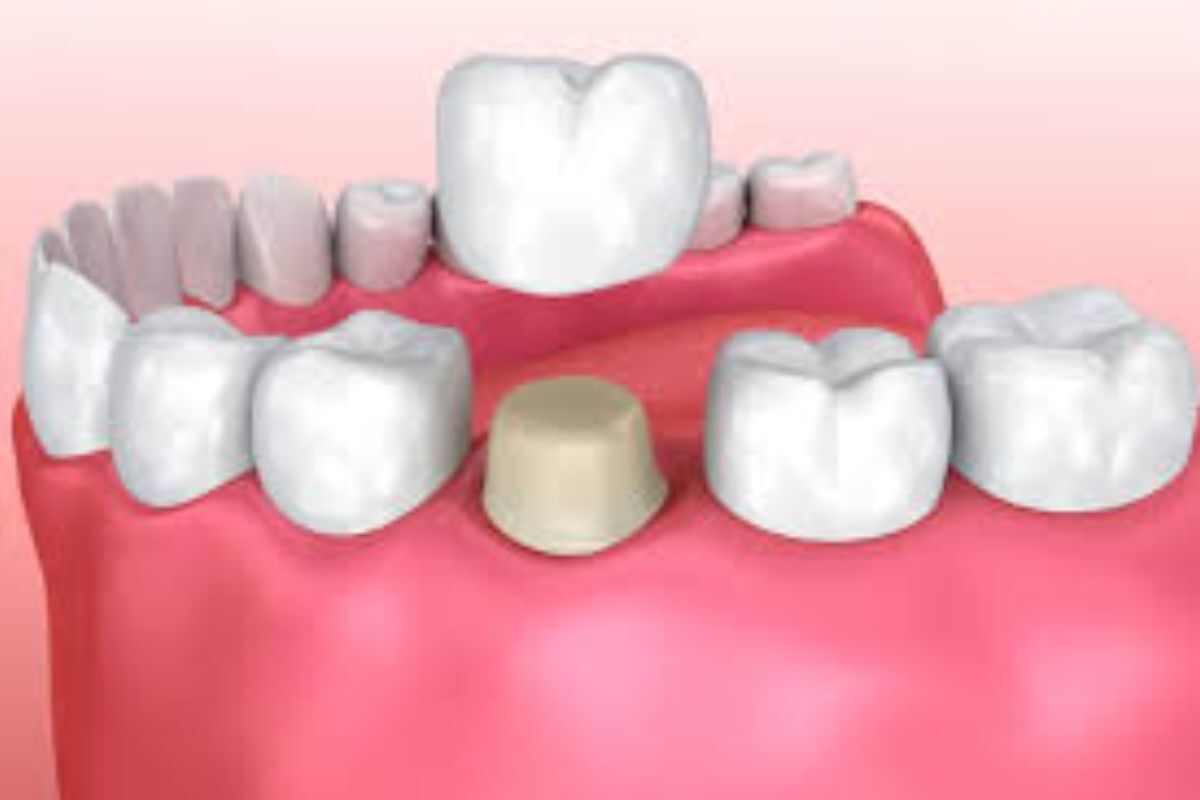
- Crowns
- Root canal treatment in severe cases
Treating cavities early prevents tooth loss.
Denture Adjustments
Poorly fitting dentures can trap bacteria and damage teeth.
Your dentist may:
- Refit dentures
- Replace worn appliances
- Adjust clasps
- Improve bite alignment
Improved Oral Hygiene
Patients should:
- Brush twice daily
- Floss around denture clasps
- Clean dentures nightly
- Use antibacterial rinses
- Remove dentures while sleeping
Proper hygiene dramatically lowers staining risk.
How to Prevent Black Spots While Wearing Dentures
Clean Dentures Every Day
Use:
- Denture brushes
- Non-abrasive cleaners
- Soaking solutions
Never use regular toothpaste on dentures because it may scratch the surface.
Brush Remaining Natural Teeth Carefully
Many patients focus only on cleaning dentures and ignore natural teeth.
Brush:
- Gumline areas
- Around clasps
- Behind teeth
- Tongue and gums
Visit Your Dentist Regularly
Routine dental exams help catch:
- Early cavities
- Denture problems
- Gum disease
- Oral infections
Most dentists recommend checkups every six months.
Avoid Tobacco Products
Smoking increases:
- Staining
- Gum disease
- Tooth decay
- Oral cancer risk
Quitting smoking improves both denture longevity and oral health.
Can Black Spots Be Removed?
In many cases, yes.
Depending on the cause, dentists may remove black spots using:
- Professional cleanings
- Polishing
- Whitening treatments
- Fillings
- Restorative dentistry
Surface stains are often easier to treat than deep decay.
How Common Are Dentures in America?
Dentures remain extremely common in the United States.
According to the American College of Prosthodontists:
- More than 36 million Americans have no natural teeth
- About 120 million Americans are missing at least one tooth
As the population ages, denture use continues to increase nationwide.
Conclusion
Dentures can contribute to black spots on teeth by trapping plaque, bacteria, and food particles around natural teeth and gums. While some dark spots are harmless stains or tartar buildup, others may signal cavities, gum disease, or infection.
The best way to prevent black spots is to maintain excellent oral hygiene, clean dentures properly, avoid smoking, and schedule regular dental checkups.
If you notice black discoloration that worsens, becomes painful, or spreads, contact a dental professional promptly. Early treatment can prevent more serious oral health complications and help preserve your remaining natural teeth.
Frequently Asked Questions
1. Can dentures stain my natural teeth?
Yes. Dentures can trap plaque and bacteria against natural teeth, leading to dark stains or tartar buildup over time.
2. Are black spots on teeth always cavities?
No. Black spots may result from staining, tartar, smoking, old fillings, or medications. However, cavities are also a common cause.
3. Can partial dentures damage teeth?
Poorly fitting partial dentures may increase plaque buildup and put pressure on supporting teeth, thereby increasing the risk of decay.
4. How do I clean dentures properly?
Dentures should be brushed daily with a denture cleaner, soaked overnight, and removed while sleeping.
5. When should I see a dentist about black spots?
See a dentist if you notice pain, swelling, sensitivity, bleeding gums, or worsening discoloration around your teeth or dentures.