Request an Appointment

How An Emergency Dentist Can Replace Lost and Swallowed Dental Crown Safely?
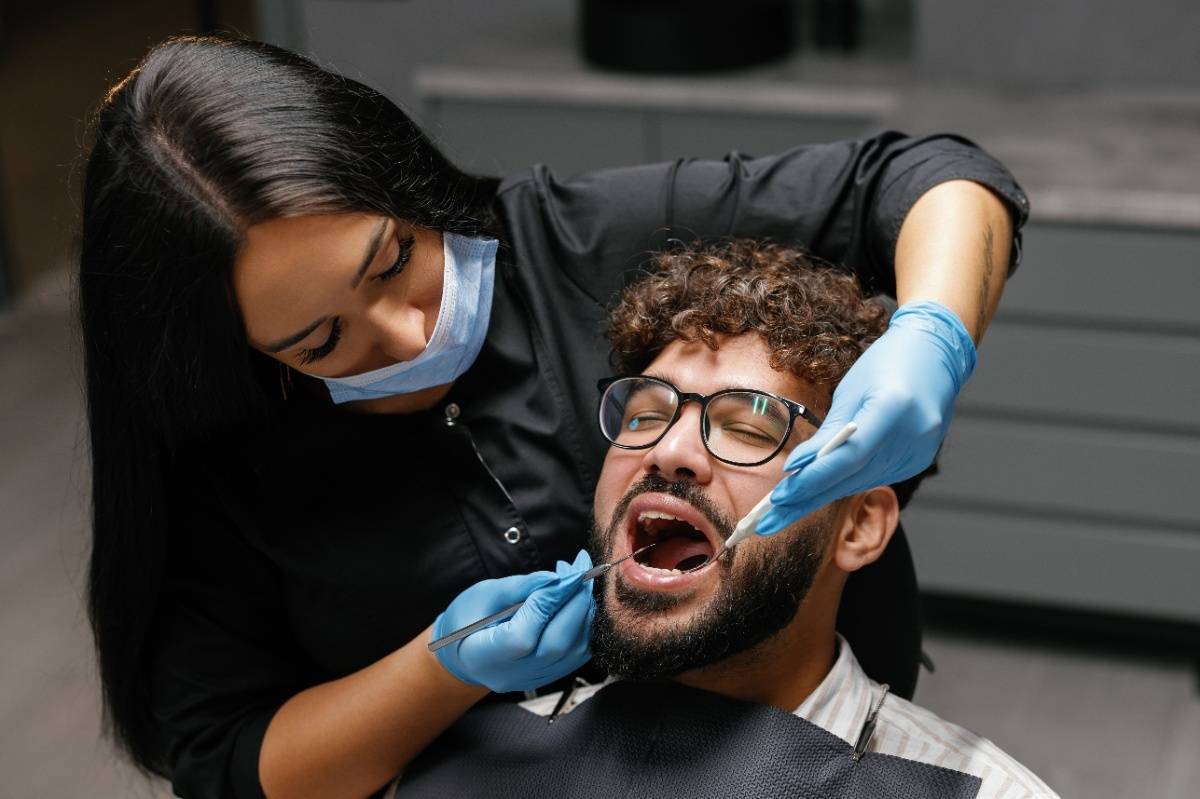
Imagine biting into dinner and suddenly feeling your dental crown loosen, crack, or disappear completely. Then panic sets in — did you accidentally swallow it? While this situation can feel alarming, it happens more often than many people realize.
Dental crowns are designed to protect damaged teeth, but over time, they can become loose due to wear, decay, trauma, or aging dental cement. In some cases, patients accidentally swallow the crown while eating, sleeping, or talking.
The good news is that swallowing a dental crown is usually not dangerous, and an emergency dentist can safely evaluate your condition, protect the exposed tooth, and quickly replace the missing crown.
According to the American College of Prosthodontists, more than 2.3 million implant-supported crowns are made annually in the United States, and millions of traditional crowns are also placed each year. With so many restorations in use, emergency crown problems are common in dental offices nationwide.
In this guide, we’ll explain:
- What happens if you swallow a dental crown
- When swallowing, a crown becomes a medical emergency
- How emergency dentists replace lost crowns safely
- Temporary solutions before treatment
- How to prevent future crown loss
What Happens If You Swallow a Dental Crown?
In most cases, a swallowed dental crown passes through the digestive system naturally within several days.
Because crowns are usually small and smooth, they typically move safely through the stomach and intestines without causing damage.
However, the situation depends on:
- The size of the crown
- Whether sharp edges are present
- If the crown contains metal
- Your overall medical condition
- Whether the object entered the airway instead of the stomach
Still, losing a crown leaves the underlying tooth exposed and vulnerable to pain, infection, and further damage.
Is Swallowing a Dental Crown Dangerous?
Usually, swallowing a crown is not life-threatening. However, there are situations where immediate medical care is necessary.
Signs You Need Emergency Help
Seek emergency medical attention if you experience:
- Trouble breathing
- Persistent coughing
- Wheezing
- Chest pain
- Difficulty swallowing
- Severe abdominal pain
- Vomiting
- Fever
These symptoms may indicate the crown entered the airway instead of the stomach.
According to the National Institutes of Health, accidental aspiration of dental materials into the lungs can become a serious medical emergency requiring prompt treatment.
Why Do Dental Crowns Fall Off?
Dental crowns can last many years, but they are not permanent.
Research published by the National Library of Medicine shows many crowns remain functional for 10–15 years or longer with proper care.
However, several issues can cause crown failure.
Common Causes of Lost Crowns
- Tooth Decay Under the Crown: Decay weakens the tooth structure holding the crown in place.
- Worn Dental Cement: The bonding material securing the crown can deteriorate over time.
- Teeth Grinding (Bruxism): Excessive grinding puts pressure on crowns, loosening them.
- Sticky or Hard Foods: Chewy candy, ice, and hard foods can pull crowns loose.
- Trauma or Injury: Sports injuries or accidents may dislodge restorations.
- Poor Crown Fit: Improperly fitted crowns may fail earlier than expected.
What Happens to the Tooth After a Crown Falls Off?
When a crown falls off, the exposed tooth becomes highly vulnerable.
Patients often experience:
- Sensitivity to hot or cold
- Pain while chewing
- Sharp tooth edges
- Gum irritation
- Increased infection risk
The tooth underneath is usually already weakened from previous damage or dental work.
Without protection, the tooth may crack or decay further.
That’s why seeing an emergency dentist in Carrollton quickly is important.
How An Emergency Dentist Handles a Swallowed Crown
Emergency dentists follow several steps to safely evaluate and replace a lost dental crown.
Step 1: Evaluate Whether the Crown Was Swallowed or Aspirated
The first priority is determining where the crown went.
If the patient has:
- Breathing problems
- Persistent coughing
- Chest discomfort
The dentist or physician may order:
- Chest X-rays
- CT scans
- Airway evaluation
According to medical studies, aspiration of dental objects into the airway is less common than swallowing but can become dangerous if untreated.
Step 2: Examine the Exposed Tooth
The emergency dentist will inspect:
- Remaining tooth structure
- Gum tissue
- Signs of decay
- Fractures
- Infection
- Root integrity
The condition of the tooth determines whether the crown can be replaced or if additional treatment is necessary.
Step 3: Take Dental X-Rays
X-rays help evaluate:
- Tooth damage
- Root condition
- Decay beneath the crown
- Bone support
- Possible crown fragments
Imaging is essential for creating a safe treatment plan.
Step 4: Provide Temporary Protection
If a permanent crown cannot be placed immediately, the dentist may use:
- Temporary crowns
- Dental cement
- Protective fillings
Temporary restorations reduce:
- Pain
- Sensitivity
- Infection risk
This helps stabilize the tooth until permanent treatment is completed.
Can the Same Crown Be Reused?
Sometimes, yes.
If the swallowed crown was recovered safely and remains undamaged, a dentist may evaluate whether it can be cleaned and re-cemented.
However, many swallowed crowns:
- Become contaminated
- Crack during removal
- No longer fit correctly
In these situations, replacing the crown is usually safer.
How Emergency Dentists Replace a Lost Crown
Digital Scanning and Impressions
Modern dentists often use:
- Digital scanners
- 3D imaging
- Traditional impressions
These tools create precise models for new crowns.
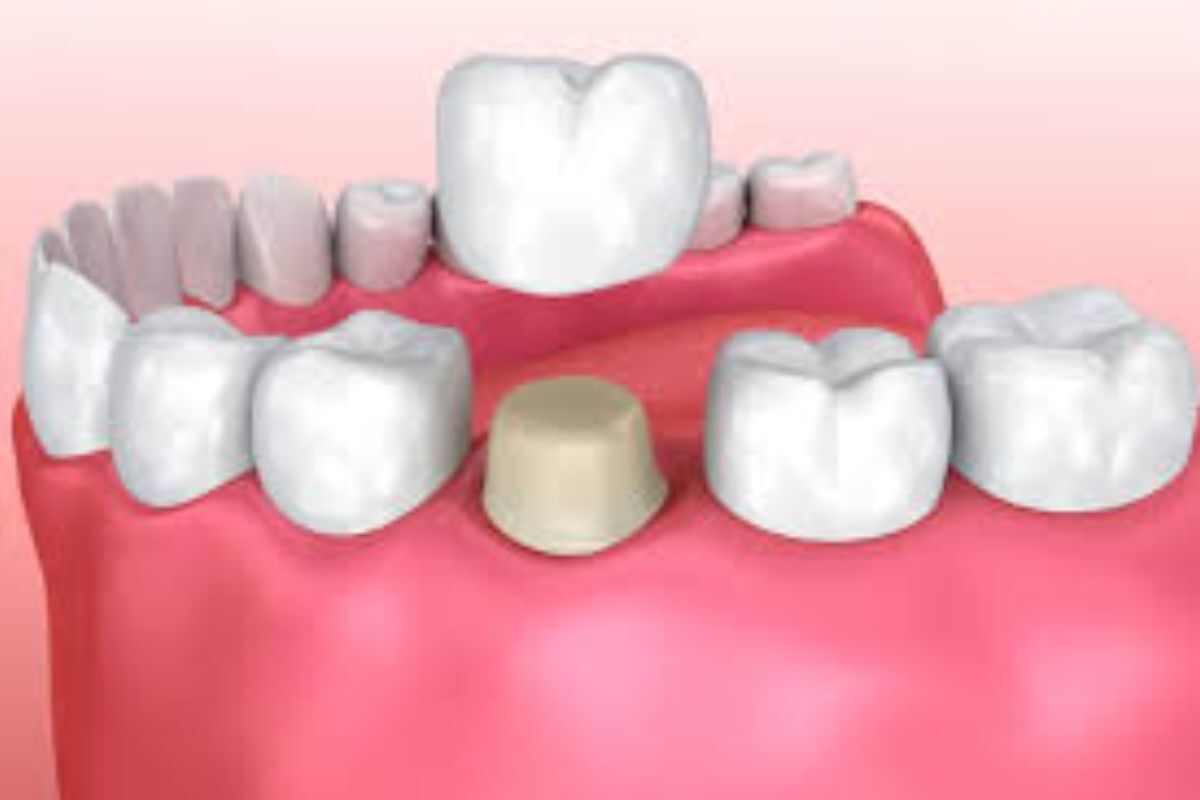
Crown Materials Used Today
Common replacement crown materials include:
- Porcelain
- Zirconia
- Porcelain-fused-to-metal
- Gold alloys
- Ceramic
According to the American Dental Association, ceramic and zirconia crowns have become increasingly popular due to durability and aesthetics.
Same-Day Crown Technology
Some emergency dental offices now offer same-day crowns using CAD/CAM systems.
Benefits include:
- Faster treatment
- No temporary crown
- Fewer appointments
- Improved convenience
Patients with severe pain often benefit from immediate restoration.
What if the Tooth Cannot Support Another Crown?
In some cases, the remaining tooth is too damaged.
An emergency dentist may recommend:
- Root canal therapy
- Crown lengthening
- Tooth extraction
- Dental implants
- Bridges
According to the American Academy of Implant Dentistry, more than 3 million Americans currently have dental implants, and the number continues growing annually. (aaid-implant.org)
Temporary Steps You Can Take Before Seeing an Emergency Dentist
If your crown falls off before your appointment:
- Keep the Area Clean: Rinse gently with warm salt water.
- Avoid Chewing on That Side: Protect the exposed tooth from fractures.
- Use Dental Wax if Needed: Wax may reduce irritation from sharp edges.
- Avoid Sticky Foods: Sticky foods can worsen tooth damage.
- Store the Crown Safely: If the crown was not swallowed, bring it to the dentist.
Do not attempt to permanently glue the crown yourself using household adhesives.
How Long Can You Go Without a Crown?
You should schedule treatment as soon as possible.
Waiting too long increases the risk of:
- Tooth movement
- Cracks
- Infection
- Gum inflammation
- Additional dental expenses
Some patients develop severe tooth pain within days after losing a crown.
Preventing Future Crown Loss
Practice Good Oral Hygiene
Brush:
- Twice daily
- Around the crown margins, carefully
- With fluoride toothpaste
Flossing helps remove plaque near the crown edges.
Wear a Night Guard if You Grind Your Teeth
Bruxism is a major cause of premature crown failure.
Custom night guards reduce pressure during sleep.
Avoid Hard Foods
Limit:
- Ice chewing
- Hard candy
- Popcorn kernels
- Sticky caramel
These foods place excessive force on crowns.
Schedule Regular Dental Exams
Routine exams allow dentists to detect:
- Loose crowns
- Decay
- Cement wear
- Bite issues
Early treatment prevents emergencies.
Are Dental Crown Emergencies Common?
Yes. Dental crown emergencies are among the most common urgent dental problems treated in emergency offices across the United States.
According to the CDC, more than 2 million emergency department visits annually are related to dental pain and oral health conditions.
Lost crowns frequently cause:
- Severe sensitivity
- Pain while chewing
- Cosmetic concerns
- Infection risks
Prompt treatment improves outcomes and helps preserve the tooth.
Conclusion
Swallowing a dental crown can feel frightening, but in most cases, the crown passes safely through the digestive system without causing harm. The bigger concern is protecting the exposed tooth from further damage, infection, and pain.
A local certified Carrollton dentist can quickly evaluate your condition, confirm whether the crown was swallowed safely, protect the damaged tooth, and create a long-term restoration plan.
Modern dental technology now allows many patients to receive temporary or permanent crown replacements quickly, sometimes in a single visit. If you lose or swallow a crown, do not ignore the problem. Early treatment can prevent serious complications and help save your tooth.
Frequently Asked Questions
1. What should I do if I swallowed my dental crown?
Stay calm and monitor for symptoms such as difficulty breathing, chest pain, or severe coughing. Contact an emergency dentist promptly for evaluation.
2. Is swallowing a dental crown dangerous?
Usually, swallowed crowns pass safely through the digestive system. However, crowns entering the airway can become serious emergencies.
3. Can a dentist replace a crown the same day?
Yes. Many emergency dental offices offer same-day crowns using digital scanning and CAD/CAM technology.
4. How long do dental crowns last?
Many crowns last 10–15 years or longer, depending on oral hygiene, materials, and bite pressure. (nih.gov)
5. Can I eat without a dental crown?
You should avoid chewing on the exposed tooth because it may crack, become sensitive, or develop further damage.