Request an Appointment

Can Antibiotics Alone Treat A Dental Infection in An Emergency?
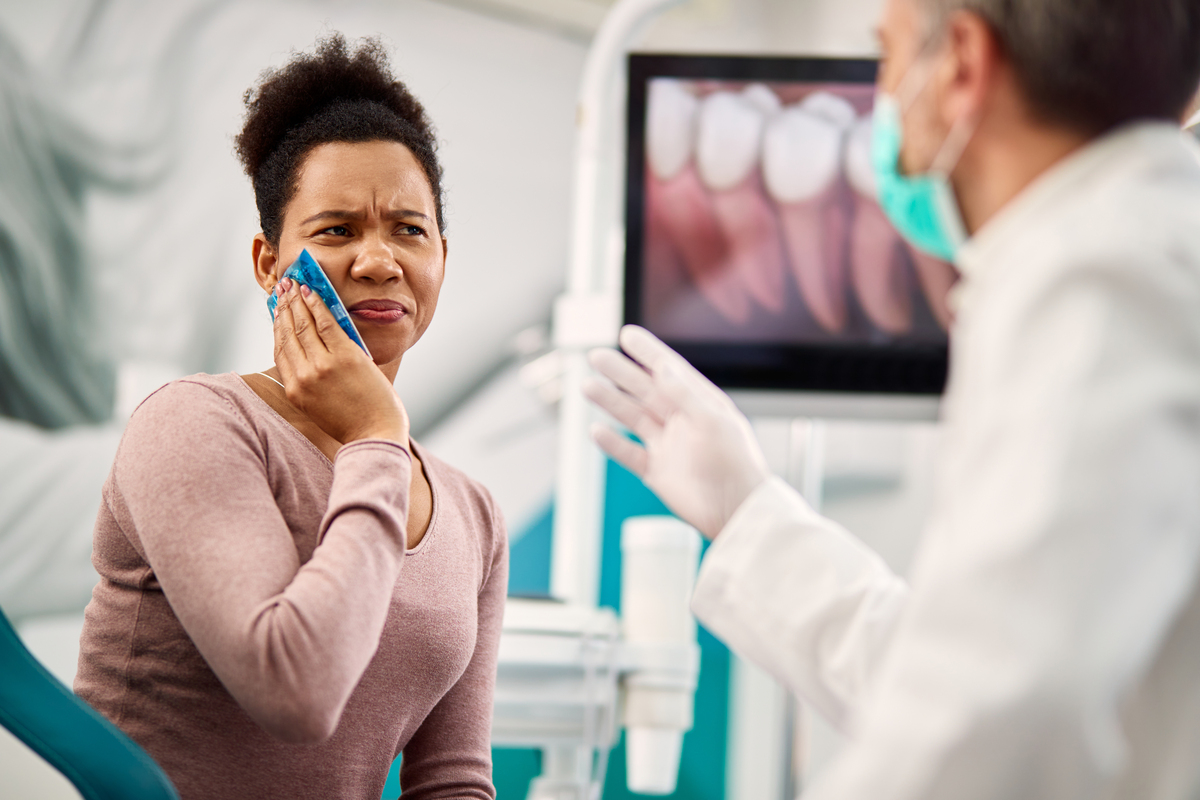
Have you ever woken up in the middle of the night with a throbbing, relentless pain in your jaw? You reach for the ibuprofen, but it barely touches the surface. You look in the mirror and notice your cheek is starting to puff up. Your first thought is likely: “I just need an antibiotic to kill the infection and make this stop.”
It’s a logical thought. We’ve been conditioned to think of antibiotics as the “cure-all” for infections. But when it comes to your teeth, the answer is a bit more complicated—and potentially dangerous if misunderstood. Let’s dive into why that “magic pill” might not be the silver bullet you’re hoping for during a dental emergency.
Antibiotics Are Not a “Cure” for Dental Infections
In the United States, dental-related issues account for approximately 2.1 million emergency department (ED) visits annually. A staggering number of these patients walk out with a prescription for Penicillin or Amoxicillin, thinking the problem is solved.
However, clinical data tells a different story. According to the Cochrane Library, there is insufficient evidence to determine whether antibiotics alone reduce pain or swelling in cases of symptomatic apical periodontitis or acute apical abscess.
Why Antibiotics Can’t Reach the Source
To understand why medicine often fails on its own, we have to look at the anatomy of a tooth.
- Blood Supply: For an antibiotic to work, it travels through your bloodstream to the site of infection.
- The Dead Zone: When a tooth is infected to the point of an abscess, the “pulp” (the soft tissue inside) is often necrotic. Dead tissue has no blood flow.
- The Barrier: Because there is no blood circulating inside a dead tooth, the antibiotic literally cannot get inside to kill the bacteria hiding in the root canal.
The Result: The antibiotic might kill the bacteria that have leaked outside the tooth into your gums or jaw (reducing swelling), but the “factory” producing the bacteria remains untouched inside the tooth.
The Danger of “Waiting it Out.”
Many Americans delay dental treatment due to cost or anxiety. In fact, a study published in Health Affairs found that one in five Americans skipped dental care due to cost in recent years.
Relying solely on antibiotics to “buy time” can lead to a false sense of security. Once you stop taking the pills, the bacteria inside the tooth will simply re-colonize the area. This can lead to:
- Ludwig’s Angina: A serious, life-threatening skin infection (cellulitis) that occurs on the floor of the mouth, under the tongue.
- Sepsis: A systemic response to infection that can lead to organ failure.
- Osteomyelitis: An infection of the jawbone itself.
An Emergency dentist in Carrollton Departments Aren’t relying on Antibiotics Alone
High Antibiotic Use in Dental Emergencies
In the U.S., dental-related emergency department (ED) visits are common—about 2.2 million per year. Among those visits, 65% resulted in an antibiotic prescription.
But here’s the twist: most of these visits involve conditions like tooth decay and abscesses that still need definitive dental treatment—not just antibiotics.
Often Unnecessary Prescriptions
Dentists in the U.S. are among the top prescribers of antibiotics, accounting for roughly 10% of all antibiotic prescriptions. Yet research shows that 80% of antibiotics prescribed before dental visits were unnecessary, not aligned with guidelines for preventing infection.
This isn’t just wasteful—it contributes to antibiotic resistance and unnecessary side effects.
Why Antibiotics Alone Don’t Work for Most Dental Infections
Antibiotics Can’t Reach the Infection Well
Because the infected area of the nerve within the tooth lacks blood flow, antibiotics struggle to reach the source. This means they might reduce swelling temporarily, but don’t remove the infection.
Surgery or Dental Procedures Matter
Definitive treatment often includes:
- Incision and drainage (relieves pus buildup)
- Root canal therapy (removes infected pulp)
- Tooth extraction (removes the source entirely)
Data suggest that many dental infections are best addressed with these procedures, often in conjunction with antibiotics when needed.
If an abscess shows no systemic signs (such as fever), local treatment alone often resolves it. Antibiotics are generally reserved for cases with systemic involvement (e.g., fever, swollen lymph nodes).
When Are Antibiotics Useful in Dental Emergencies?
While antibiotics alone are not curative, they do have a role in certain situations:
- Systemic Infection Signs: Fever, malaise, or swollen lymph nodes indicate the infection is spreading—here, antibiotics help control the bacteria while you get definitive treatment.
- Medical Vulnerabilities: Patients with weakened immune systems or certain health conditions may require antibiotics to prevent complications.
- While Waiting for Definitive Care: If you can’t get treated immediately, antibiotics might temporarily manage symptoms and slow progression—but treatment still must follow.
Risks of Relying Only on Antibiotics
- Temporary Relief—but Not a Cure: Antibiotics can reduce swelling and pain, but without dental intervention, the infection often returns.
- Antibiotic Resistance: Overprescribing leads to bacteria becoming resistant to drugs designed to kill them—an increasingly serious global health concern.
- Cost to the Healthcare System: Inappropriate dental antibiotic prescriptions in the U.S. are estimated to cost millions of dollars annually, including direct drug costs and adverse events.
The Over-Prescription Crisis in Dentistry
The Centers for Disease Control and Prevention (CDC) estimates that roughly 30% of antibiotics prescribed in outpatient settings are unnecessary. In dentistry, antibiotics are often over-prescribed for toothaches that are actually caused by inflammation or trauma, not a spreading bacterial infection.
Over-reliance on these drugs contributes to Antibiotic Resistance. If you take Amoxicillin every time you have a twinge in your jaw, the bacteria in your body learn how to defeat the drug. By the time you have a life-threatening infection, the “standard” antibiotics may no longer work.
When ARE Antibiotics Necessary?
While they aren’t a standalone cure, antibiotics play a vital role in a “supporting” capacity. A dentist will typically prescribe them if:
- The infection is spreading (cellulitis).
- You have a fever or chills.
- You have a compromised immune system (diabetes, HIV, or undergoing chemotherapy).
- The swelling is so severe that it makes breathing or swallowing difficult.
In these cases, the antibiotic is used to control the infection, so it is safe for the qualified dentist in Carrollton to perform the necessary surgery (a root canal or extraction).
Conclusion
Antibiotics may help reduce symptoms or prevent the spread of infection when used appropriately, but they don’t eliminate the source of the infection. Most dental infections require definitive treatment, such as drainage, root canal therapy, or extraction. Emergency care without addressing the root cause is like putting a band-aid on a deep wound—it might look better for a moment, but the problem remains.
If you suspect a dental infection, seek prompt dental care—especially if you’re experiencing swelling, fever, or increased pain. To truly heal, you must see a dentist for mechanical treatment.
Frequently Asked Questions
1. Can I just take antibiotics and avoid going to the dentist?
No. Antibiotics alone typically don’t reach the infection inside the tooth and won’t fix the underlying cause. Definitive dental intervention is necessary.
2. Are there situations where antibiotics are actually necessary?
Yes—especially if the infection shows signs of systemic spread (fever, swollen lymph nodes) or in medically compromised individuals.
3. How long does it take for antibiotics to work on dental pain?
Antibiotics may reduce swelling within a few days, but they won’t eliminate the infection unless combined with a dental procedure.
4. Can untreated dental infections lead to serious health problems?
Yes. Untreated dental infections can spread to other tissues, the bloodstream, or vital structures, leading to life-threatening complications.
5. Why do so many dentists prescribe antibiotics if they don’t work alone?
Sometimes antibiotics are prescribed to manage symptoms or prevent the spread while waiting for treatment. However, many prescriptions are unnecessary, contributing to resistance and cost issues.