Request an Appointment

Can My Teeth Have Black Spots After Dental Crowns?
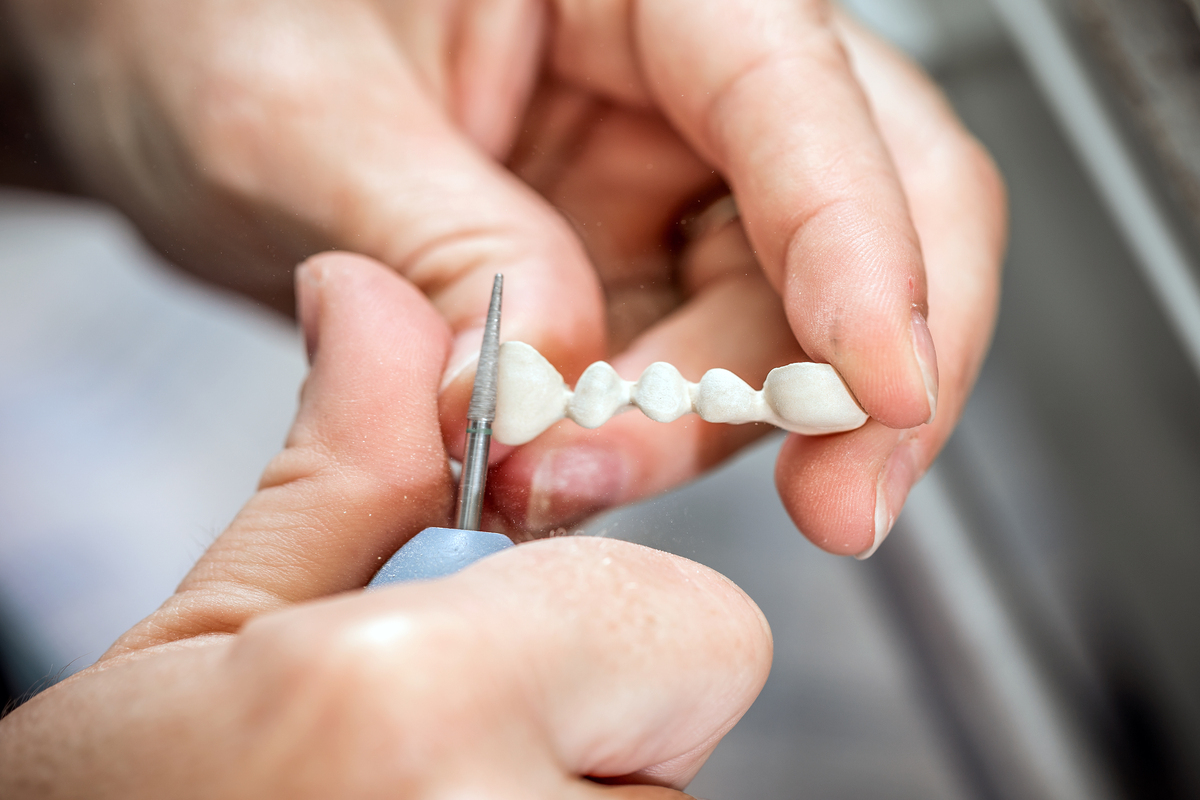
Have you noticed a black spot on a tooth that has a dental crown, or a dark line where the crown meets your gums? You might wonder whether the crown is stained, whether decay has developed underneath it, or whether the restoration needs to be replaced. These concerns are worth investigating, even if the tooth doesn’t hurt.
For patients in Carrollton, TX, understanding the possible causes of crown discoloration can help you decide when a routine dental appointment is appropriate and when prompt treatment is needed. At iO Dentistry Carrollton, Dr. Kim Ly Nguyen can evaluate changes in your teeth and gums and help you understand the available treatment options.
Where is the black spot appearing? Is it on the crown’s chewing surface, along its edge, or on the natural tooth near the gums? The location, your symptoms, and the type of crown you have can provide useful clues. However, only a dental exam can reliably determine the cause.
1. Can a Dental Crown Develop Black Spots?
Dental crowns in Carrollton are designed to cover and protect damaged, weakened, or heavily restored teeth. They may be made from porcelain, ceramic, zirconia, metal, or porcelain fused to metal.
Although crown materials are designed to withstand normal chewing, crowns are not indestructible. Their surfaces can become stained, porcelain can chip, and the natural tooth underneath can still develop decay.
According to Cleveland Clinic, dental crowns generally last around 5 to 15 years with proper care, although some last longer. Their longevity depends on the material, bite forces, oral hygiene, and other individual factors.
A black spot on a crowned tooth does not automatically mean the crown has failed. Possible explanations include:
- Surface staining or hardened deposits around the crown.
- A visible metal margin on an older crown.
- Tooth decay near the restoration’s edge.
- Gum recession that exposes a darker root surface.
- A crack, chip, or other change in the crown.
- Discoloration originating in the natural tooth underneath.
Because these conditions require different treatments, don’t assume a dark spot is simply cosmetic.
2. Tooth Decay May Develop Around or Beneath a Crown
One of the most important causes to investigate is recurrent decay, sometimes called secondary caries. This occurs when decay develops near an existing restoration.
A crown covers the visible portion of a tooth, but decay can still develop in the underlying natural tooth. If bacteria and plaque accumulate around the crown’s margin, or the seal between the crown and tooth deteriorates, decay may develop in the surrounding tooth structure.
What signs should you watch for?
Possible warning signs include:
- A new dark brown or black area near the crown’s edge.
- Sensitivity to cold, heat, or sweet foods.
- Discomfort when chewing.
- Food repeatedly getting trapped near the crowned tooth.
- An unpleasant taste or persistent bad breath.
- A crown that feels loose or has a damaged edge.
However, decay does not always cause pain early on. A crown may look normal while a problem develops underneath or around it.
The American Academy of Periodontology and the European Federation of Periodontology have discussed how restoration design, margin placement, and plaque retention can influence the health of surrounding tissues. Research also shows that a restoration’s fit and condition matter when evaluating localized inflammation or other complications.
A dentist may inspect the crown, examine the surrounding gums, test the tooth when appropriate, and take dental X-rays to investigate suspected decay. Not every dark area needs a new crown, but treat decay before it progresses and compromises more of the tooth.
3. An Older Metal Crown Can Create a Dark Line
If you have a porcelain-fused-to-metal crown, a dark line near the gumline may be caused by its metal framework.
These crowns combine a metal substructure with an outer layer of tooth-colored porcelain. They offer strength and a natural-looking surface, but the metal may become visible as gum tissue changes over time.
For example, gum recession can expose the metal framework’s edge, creating a gray or black line where the crown meets the gums.
Does a dark line mean your crown is damaged?
Not necessarily. If the line is stable and you have no pain, swelling, bleeding, or other concerning symptoms, the appearance may be primarily cosmetic.
Nevertheless, don’t diagnose the problem by color alone. A dark margin may also indicate decay, an imperfect crown fit, or changes in the gum tissue.
If the discoloration bothers you, ask Dr. Kim Ly Nguyen whether the crown is still functioning properly and whether replacement is worth considering.
An all-ceramic or zirconia crown may look more natural without a metal substructure. However, whether to replace a crown depends on its condition, the health of the underlying tooth, and your treatment goals—not appearance alone.
4. Gum Recession Can Expose a Darker Tooth Surface
Your gums help protect the roots of your teeth. When gum tissue recedes, more of the tooth’s root surface becomes exposed.
Root surfaces naturally look different from enamel. They can appear yellowish, brownish, or darker, especially when compared with the brighter porcelain of a crown.
Gum recession may be linked to periodontal disease, aggressive brushing, anatomical factors, or changes in the supporting tissues around the tooth. It can also make the junction between a crown and the natural tooth more noticeable.
What other symptoms can occur?
Look for bleeding gums when brushing, persistent tenderness, swelling, or a tooth that appears longer than it used to. You may also notice increased sensitivity near the gumline.
The American Dental Association identifies bleeding gums, recession, persistent bad breath, and loose teeth among possible warning signs of gum disease.
If gum inflammation contributes to the discoloration, treatment may include better plaque control, professional cleaning, or periodontal therapy, depending on the diagnosis. If recession is the main concern, your dentist can explain whether monitoring, changes to your brushing technique, or a periodontal consultation may be appropriate.
Replacing the crown alone will not necessarily correct gum recession. The underlying cause needs to be considered first.
5. Surface Stains and Tartar May Look Like Black Spots
Sometimes, the dark area is not part of the crown or the tooth itself. It may be a surface deposit or stain.
Coffee, tea, tobacco, and other dark substances can contribute to staining. Plaque that remains on teeth can also harden into tartar, which may appear yellow, brown, or dark depending on the deposits and surrounding conditions.
Clean the edges of crowns carefully because plaque can build up where the restoration meets the tooth and gumline.
Can brushing remove the spot?
If the discoloration is superficial, brushing and professional cleaning may help. However, hardened tartar cannot be reliably removed with ordinary brushing alone.
Avoid using sharp tools, abrasive powders, or aggressive whitening products to scrape a black spot off a crown. These methods may damage the restoration or irritate your gums.
A professional exam can help distinguish a removable deposit from a damaged crown or a dark area originating in the underlying tooth. If the surface is sound and the issue is only staining, you may not need a crown replacement.
6. Could the Tooth Under the Crown Be Discolored?
A crown can conceal changes in the natural tooth beneath it. If the tooth has suffered trauma or the pulp inside it has been damaged, it may darken.
The pulp contains nerves and blood vessels. When the pulp becomes irreversibly inflamed or loses vitality, changes inside the tooth can sometimes affect its color. A gray or dark shadow may become noticeable through the surrounding tissues or near the crown.
This does not mean that every dark crown margin indicates a damaged nerve. Some teeth change color without obvious symptoms, while others develop pain or sensitivity.
Your dentist may use an examination, dental X-rays, and appropriate tests to assess the tooth’s condition. If the pulp is damaged or infected, root canal treatment may be considered. In some cases, treatment can be completed without replacing an otherwise suitable crown; in others, the restoration may need to be removed or replaced.
The right approach depends on the extent of the damage and the crown’s condition.
7. How Is a Black Spot on a Crown Treated?
Treatment depends on the cause of the discoloration. A dentist should identify the problem before recommending a procedure.
| Possible cause | Treatment that may be considered |
| Surface staining or tartar | Professional cleaning and improved home care |
| Visible metal margin | Monitoring or replacement with a suitable metal-free crown |
| Decay near the crown | Treatment of the decay and assessment of whether the crown can be retained |
| Gum disease or inflammation | Professional cleaning or periodontal treatment |
| Damaged or loose crown | Repair or replacement, depending on the damage |
| Infection or pulp damage | Root canal treatment or another appropriate treatment |
If a crown needs replacement, your dentist will assess the remaining tooth structure, gum health, bite, and available materials. A new crown is not always the first or only solution.
An early assessment may also prevent a small problem from becoming more complicated. If you notice new pain, swelling, a loose crown, or an unpleasant taste around the tooth, contact your dental practice rather than waiting for your next routine cleaning.
8. How Can You Prevent Dark Spots Around Dental Crowns?
You cannot prevent every change in crown appearance, but consistent oral care can help reduce plaque accumulation and protect the natural tooth underneath.
Brush twice daily. Use a soft-bristled toothbrush and fluoride toothpaste, paying attention to the area where the crown meets the gumline.
Clean between your teeth daily. Floss or use an appropriate interdental cleaner to remove debris from areas a toothbrush can’t easily reach.
Keep up with regular dental visits. Examinations let your dentist check the crown’s margins, the surrounding gums, and the underlying tooth when needed.
Avoid damaging habits. Chewing ice or other very hard objects can chip or damage some crowns. If you grind or clench your teeth, ask whether a protective night guard may help.
Address symptoms early. Don’t ignore new sensitivity, persistent bad breath, bleeding gums, or a change in the crown’s fit.
Good home care cannot guarantee that a crown will last indefinitely. Still, it helps support the health of the tooth and gum tissue around the restoration.
When Should You Visit iO Dentistry Carrollton?
A stable gray line on an older metal-based crown may be mainly cosmetic, but a new black spot deserves attention if its cause is unclear. Seek a prompt dental assessment if you notice pain, swelling, bleeding, a loose crown, a persistent bad taste, or sensitivity that was not present before.
If facial swelling spreads rapidly or you have difficulty breathing or swallowing, seek urgent medical care.
At iO Dentistry Carrollton, Dr. Kim Ly Nguyen can assess your concerns, explain whether the discoloration is cosmetic or related to an oral health problem, and discuss appropriate treatment options.
Visit our dental practice in Carrollton, TX. Book now to schedule your appointment with our team.
Conclusion
Black spots around dental crowns can develop for several reasons, including surface staining, tartar, gum recession, visible metal margins, or decay affecting the natural tooth beneath the restoration. Although some dark lines are mainly cosmetic, others may signal a problem that requires treatment.
The most important step is to identify the cause rather than assuming the crown needs to be replaced. An exam can help determine whether you need professional cleaning, gum treatment, restorative work, or monitoring.
If you notice a black spot or dark line near your crown, Dr. Kim Ly Nguyen and the team at iO Dentistry Carrollton can help you understand what may be happening and plan your next steps for oral health.
Frequently Asked Questions
1. What dental services are available at iO Dentistry Carrollton?
Services depend on your oral health needs and may include preventive, restorative, and cosmetic dental care. Our dentist can assess your concerns and explain suitable treatment options.
2. How often should I have my dental crowns checked?
Your crowns should be evaluated during routine dental examinations, with the frequency of visits based on your oral health and risk factors. Our dentist can recommend an appropriate schedule and check for changes around your restorations.
3. What should I do if my dental crown becomes painful?
Contact your dental practice if a crowned tooth develops persistent pain, sensitivity, swelling, or discomfort when chewing. Our dentist can examine the tooth and surrounding tissues to determine the cause and recommend appropriate care.
4. How can I keep my teeth and crowns clean?
Brush twice daily with fluoride toothpaste, clean between your teeth every day, and attend regular dental checkups. Our dentist can recommend cleaning techniques and products suited to your restorations and oral health.
5. How can I schedule an appointment at iO Dentistry Carrollton?
Contact iO Dentistry Carrollton in Carrollton, TX, to arrange an appointment. Tell the team where the dark spot appears and whether you have pain, swelling, sensitivity, or a loose crown so they can help guide your next steps.