Request an Appointment

Can Cosmetic Dentistry Correct Multiple Dental Imperfections in One Treatment Plan?

A chipped tooth, stubborn discoloration, uneven edges, small gaps, or worn enamel can each affect the appearance of your teeth. But what happens when you have several of these concerns at once? Do you need a separate dental procedure for every imperfection, or can cosmetic dentistry address multiple issues through one coordinated treatment plan?
For many patients, the answer is yes. Modern cosmetic dentistry offers several treatment options that can be combined to improve tooth color, shape, alignment, proportion, and overall appearance. Depending on your dental health and personal goals, treatments such as porcelain veneers, professional teeth whitening, dental bonding, crowns, and orthodontic solutions may work together to create a more balanced result.
If you live in Carrollton, TX, and have more than one dental concern, you may benefit from a comprehensive cosmetic dental evaluation. At iO Dentistry Carrollton, Dr. Kim Ly Nguyen considers your individual concerns, existing dental health, and desired results when planning treatment. Rather than focusing on one tooth at a time, a coordinated approach can help address several imperfections while maintaining healthy tooth structure.
In this guide, we explain how cosmetic dentistry can correct multiple dental imperfections, which procedures you can combine, how treatment planning works, and what to consider before starting your dental transformation.
Can One Cosmetic Dentistry Plan Address Several Dental Problems?
Cosmetic dentistry in Carrollton is not limited to improving the color of your teeth. It can also address several aesthetic concerns that affect your overall smile. A well-planned approach considers the entire visible smile, including tooth proportions, spacing, alignment, gum appearance, and the relationship between upper and lower teeth.
For example, a patient may have yellow teeth, two chipped front teeth, uneven edges, and small spaces between several teeth. Instead of automatically recommending four separate procedures, a dentist can evaluate whether a combination of treatments will address these concerns efficiently.
The goal is to create a natural-looking result that complements your facial features and supports proper dental function.
According to the CDC’s 2024 Oral Health Surveillance Report, approximately 20.5% of U.S. adults aged 20–64 had at least one permanent tooth with untreated decay. This statistic shows why cosmetic improvements should start with an oral health evaluation, not focus exclusively on appearance.
Common Dental Imperfections Cosmetic Dentistry Can Correct
Several dental concerns can occur simultaneously. Understanding the available treatments helps patients make informed decisions about their options.
1. Tooth Discoloration and Yellowing
Tooth discoloration is one of the most common reasons patients consider cosmetic dental treatment. Coffee, tea, red wine, tobacco, certain medications, aging, and changes within the tooth can contribute to unwanted stains.
Professional teeth whitening may help improve discoloration caused by many surface stains and some deeper staining. Depending on the patient’s needs, whitening can be performed in the dental office or through dentist-supervised take-home treatments.
If discoloration is limited to one or two teeth, veneers or other restorations may be a better option. However, whitening does not change the color of existing crowns, veneers, or fillings.
2. Chipped, Cracked, or Uneven Teeth
Small chips and irregular tooth edges can make otherwise healthy teeth look uneven. Dental bonding is often suitable for minor cosmetic corrections.
During bonding, the dentist applies tooth-colored composite resin to the affected area, shapes it, and hardens it with a special curing light. This can restore the appearance of chipped edges, close small gaps, and improve tooth proportions.
More extensive damage may require a dental crown or porcelain veneer, depending on the location and amount of remaining tooth structure.
3. Gaps Between Teeth
Spaces between teeth can develop naturally or result from differences in tooth size, missing teeth, gum changes, or orthodontic issues.
Small spaces may be corrected with dental bonding or porcelain veneers. Larger spaces or more complicated alignment concerns may require orthodontic treatment.
The best option depends on the gap size, your bite, and the condition of the surrounding teeth.
4. Uneven Tooth Shapes and Sizes
Some patients have naturally small teeth, irregular edges, or teeth that appear disproportionate to one another. These differences can affect the overall balance of the upper and lower front teeth.
Porcelain veneers and composite bonding can improve tooth shape, length, and proportions. In selected cases, minor enamel reshaping may also help create more uniform edges.
The dentist must evaluate your enamel thickness and bite before recommending any reshaping procedure.
5. Worn or Damaged Teeth
Teeth can gradually wear down from grinding, clenching, acid erosion, and everyday use. Worn teeth may appear shorter, flatter, or uneven.
Depending on the severity, treatment may involve bonding, veneers, or dental crowns. If nighttime grinding contributes to the damage, a custom night guard may also be recommended to protect the restorations.
Cosmetic Dental Treatments That Can Work Together
A comprehensive treatment plan may combine different procedures to address several concerns without unnecessarily treating healthy teeth.
Here are some common combinations.
Professional Teeth Whitening and Dental Bonding
Consider a patient with yellowing teeth and a small chip on one front tooth. Professional whitening can improve the color of natural teeth, while bonding can restore the chipped area.
The order of treatment matters. Whitening is generally completed before bonding because composite resin does not respond to bleaching products. Once the natural teeth reach the desired shade, the dentist can select a matching bonding material.
Porcelain Veneers and Teeth Whitening
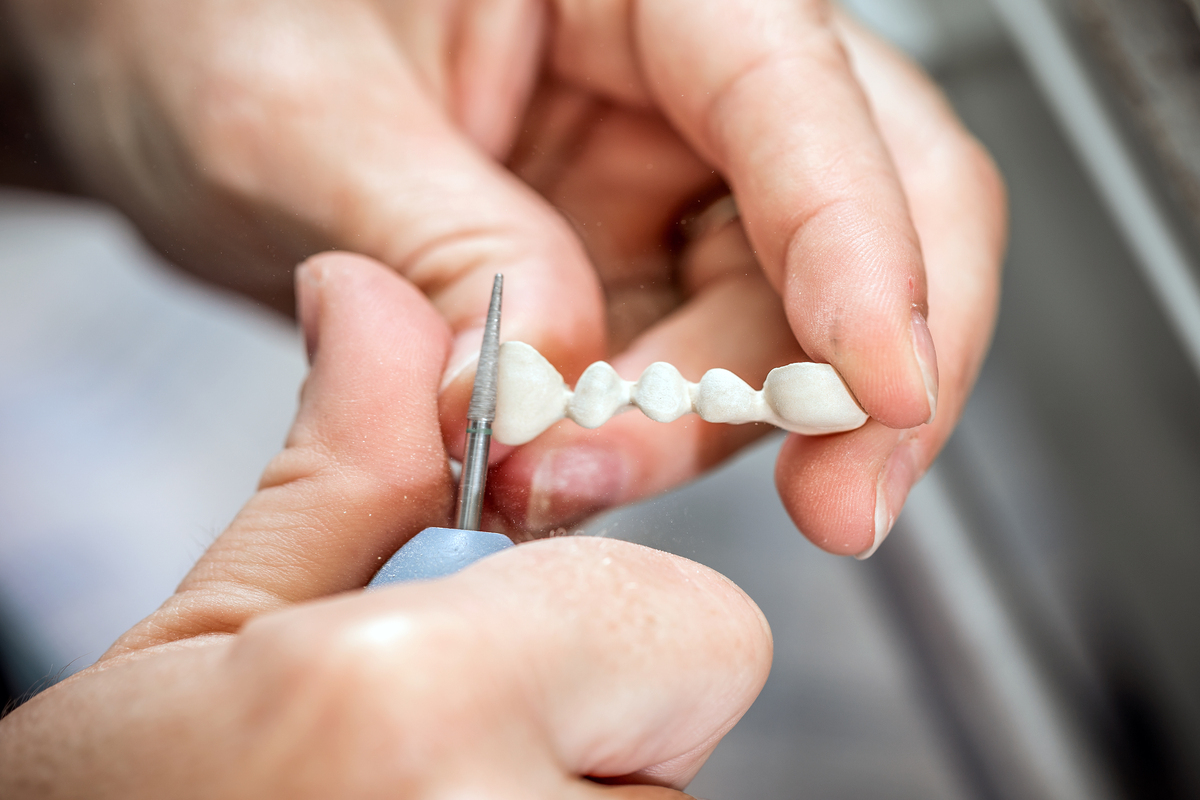
Porcelain veneers are thin, custom-made restorations placed over the front surfaces of selected teeth. They can improve tooth color, shape, size, and the appearance of minor spacing irregularities.
For patients who want to improve several front teeth, veneers may be combined with whitening for the remaining visible natural teeth.
The natural teeth are generally whitened first so the veneers can be designed to match the planned final shade.
Dental Crowns and Cosmetic Bonding
A patient may have a damaged tooth that needs structural protection, along with smaller cosmetic imperfections on neighboring teeth.
A dental crown covers and protects a compromised tooth, while bonding can correct minor chips or shape irregularities elsewhere.
This combination can improve the appearance of multiple teeth while addressing different levels of damage.
Orthodontics and Cosmetic Dentistry
Some patients have crooked teeth, uneven spacing, discoloration, and chipped edges. Orthodontic treatment may be the first step if tooth positioning needs correction.
After alignment, professional whitening, bonding, or veneers may be considered to refine the final appearance.
This staged approach can sometimes reduce the amount of tooth preparation needed for cosmetic restorations.
How Does a Dentist Create a Multiple-Treatment Plan?
A successful cosmetic dentistry plan involves more than selecting attractive dental procedures. Your dentist must understand your oral health, aesthetic preferences, and functional needs before recommending treatment.
At iO Dentistry Carrollton, Dr. Kim Ly Nguyen can evaluate your concerns and discuss treatment options based on your individual dental condition.
The planning process generally involves several steps.
Step 1: Comprehensive Dental Examination
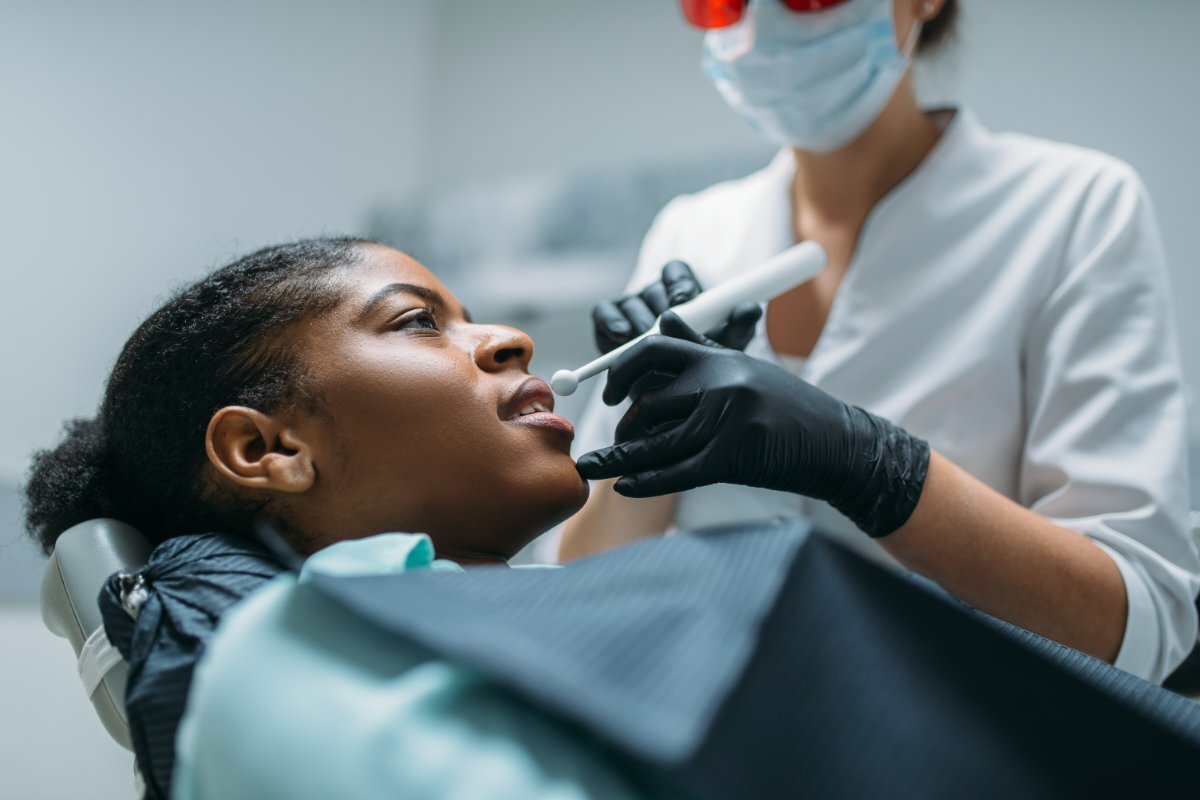
The first step is evaluating your teeth, gums, bite, and existing restorations. Your dentist may use dental X-rays, photographs, and other diagnostic tools when appropriate.
This examination helps identify cavities, gum disease, damaged restorations, tooth infections, and other conditions that may affect cosmetic treatment.
Step 2: Discussing Your Cosmetic Goals
Every patient has different priorities. Some want brighter teeth, while others worry about chipped edges, uneven spacing, or teeth that look too short.
Discussing your expectations helps your dentist determine which improvements matter most to you.
It is also important to communicate whether you prefer subtle changes or a more noticeable transformation.
Step 3: Prioritizing Oral Health
Cosmetic treatment should not hide an underlying dental problem.
If you have untreated cavities, gum inflammation, or an infected tooth, you generally need to address those concerns before elective cosmetic procedures.
According to the Health Resources and Services Administration, approximately 46% of U.S. adults aged 30 and older have some form of periodontal disease. This makes gum evaluation an important part of comprehensive dental planning.
Step 4: Selecting the Right Combination of Procedures
After the examination, your dentist can explain which treatments may address your concerns.
For instance, a patient with discoloration, small gaps, and chipped teeth might benefit from whitening and bonding. Another patient with substantial tooth damage may need crowns alongside other cosmetic improvements.
Not every patient needs multiple procedures. Sometimes one treatment can address several concerns.
Step 5: Establishing a Treatment Timeline
Your treatment timeline depends on the procedures involved, your teeth’s condition, and the amount of healing or lab preparation required.
Whitening and bonding may be completed relatively quickly, while orthodontic treatment or multiple custom restorations can require several appointments.
Your dentist can explain the expected sequence, appointment schedule, and maintenance requirements before treatment begins.
Can Multiple Cosmetic Dental Procedures Be Completed at Once?
Some cosmetic dental procedures can be completed during the same appointment, while others require separate visits. The decision depends on your treatment plan’s complexity and your teeth’s condition.
For example, professional whitening and dental bonding may be scheduled as separate steps because bonding materials need to match the final tooth shade. Similarly, porcelain veneers require impressions or digital scans, laboratory fabrication, and a placement appointment.
If orthodontic treatment is necessary, it may take several months or longer before cosmetic refinements can begin.
Your dentist will determine whether combining procedures is appropriate or whether a staged treatment plan offers better results.
Who Is a Good Candidate for Comprehensive Cosmetic Dentistry?
Patients with multiple aesthetic concerns may benefit from a coordinated cosmetic dentistry plan. However, candidacy depends on more than the number of imperfections.
You may be a suitable candidate if you have:
- Multiple stained or discolored teeth.
- Chipped, uneven, or worn tooth edges.
- Small gaps between neighboring teeth.
- Teeth with inconsistent shapes or proportions.
- Old restorations that affect your teeth’s appearance.
- Minor alignment concerns that affect dental appearance.
Patients with active gum disease, untreated cavities, significant tooth infections, or certain bite problems may need restorative or preventive treatment first.
It is also important to have realistic expectations. Cosmetic dentistry can improve the appearance of your teeth, but no procedure can guarantee perfect symmetry or permanently prevent future dental changes.
How Much Does a Multiple-Procedure Cosmetic Dentistry Plan Cost?
The cost of cosmetic dentistry depends on the number of teeth being treated, the procedures selected, the materials used, and the complexity of your dental condition.
For example, professional teeth whitening generally has a different cost structure than porcelain veneers or dental crowns. Combining several treatments may increase the overall investment, but the exact cost depends on your individual plan.
Before beginning treatment, ask your dentist for a written estimate that explains:
- The recommended procedures.
- The number of teeth involved.
- The expected number of appointments.
- Material and laboratory costs.
- Available payment or financing arrangements.
- Potential maintenance or replacement expenses.
Some cosmetic procedures are considered elective and may not be covered by dental insurance. However, certain restorative procedures may qualify for partial coverage, depending on your dental condition and insurance policy.
At iO Dentistry Carrollton, discussing your goals and budget with Dr. Kim Ly Nguyen can help you understand your treatment options before deciding.
How Long Do Cosmetic Dentistry Results Last?
The longevity of cosmetic dental treatments varies by procedure, oral hygiene habits, diet, and individual dental conditions.
For example, professional whitening results can gradually fade as teeth are exposed to staining foods and beverages. Porcelain veneers and dental crowns can last many years with proper care, while composite bonding may require maintenance or repair sooner.
Several everyday habits can help protect your results:
- Brush twice daily using a fluoride toothpaste.
- Clean between your teeth every day with floss or another recommended interdental cleaner.
- Attend regular dental examinations and professional cleanings.
- Avoid biting hard objects, ice, or packaging.
- Limit frequent exposure to staining beverages.
- Wear a custom night guard if your dentist recommends one for grinding or clenching.
The American Dental Association recommends brushing twice daily for two minutes with fluoride toothpaste as part of a preventive oral hygiene routine. Consistent home care and professional monitoring can help maintain both natural teeth and dental restorations.
Why Choose a Personalized Cosmetic Dentistry Plan at iO Dentistry Carrollton?
When several dental imperfections affect your appearance, treating each concern independently may not provide the most balanced result. A coordinated approach allows your dentist to consider how different teeth look and function together.
At iO Dentistry Carrollton, Dr. Kim Ly Nguyen can discuss your concerns, evaluate your oral health, and explain which cosmetic and restorative options may be appropriate.
Your treatment recommendations should reflect your dental condition rather than follow a standard combination of procedures. Whether you are considering teeth whitening, bonding, veneers, crowns, or a combination of treatments, understanding your options is an important first step.
Patients in Carrollton, TX, can schedule a consultation to discuss their dental concerns and potential treatment plans.
Conclusion
Cosmetic dentistry can correct multiple dental imperfections through a carefully coordinated treatment plan. Whether you have stained teeth, chipped edges, uneven shapes, small gaps, or worn enamel, combining appropriate dental procedures may help create a more consistent and natural-looking appearance.
The most effective approach begins with a comprehensive dental examination. Your dentist must evaluate your teeth, gums, bite, and existing restorations before deciding which treatments should be performed and in what order.
At iO Dentistry Carrollton, Dr. Kim Ly Nguyen can help you understand your options and develop a treatment approach based on your dental health and aesthetic goals.
If you are ready to address several dental concerns, visit our dental practice in Carrollton, TX. Book now to schedule your appointment with our team.
Frequently Asked Questions
1. What dental services can I receive at iO Dentistry Carrollton?
Patients can discuss their general, preventive, restorative, and cosmetic dental needs with our dentist. Recommended services depend on your oral health, dental concerns, and treatment goals. During your examination, our dentist can explain suitable options.
2. How often should I visit the dentist for routine dental care?
Many patients benefit from dental examinations and professional cleanings every six months. However, our dentist may recommend a different schedule depending on your gum health, cavity risk, medical history, and previous dental problems.
3. What should I expect during my first dental appointment?
Your first appointment generally involves discussing your dental history, current concerns, and treatment goals. Our dentist may examine your teeth and gums and recommend diagnostic imaging when necessary. You can also ask questions about treatment options and costs.
4. Can I receive cosmetic and restorative dental treatments at the same practice?
Depending on your dental needs and the services available, one practice may coordinate cosmetic and restorative treatments. Our dentist can evaluate your condition and explain whether we can complete your recommended procedures together or in stages.
5. How can I schedule an appointment at iO Dentistry Carrollton?
Contact iO Dentistry Carrollton to request an appointment and discuss your dental concerns. Our dentist can help determine the next steps after evaluating your oral health and treatment goals.