Request an Appointment

Routine Check-ups vs. Urgent Care: Which One Fits Your Dental Needs Best?
Have you ever found yourself in sudden, sharp dental pain, wondering whether to call your regular dentist or rush to the nearest emergency room? You’re not alone. Navigating the world of dental care can feel overwhelming, especially when faced with a crisis.
So, how do you know which dental professional is right for your unique needs? The key lies in understanding the core difference between Family Dentistry and Emergency Dentistry. One is your dedicated partner in long-term oral health, while the other is your critical lifeline for immediate relief.
Let’s dive into the data and explore the distinct roles these two pillars of dental care play in maintaining your smile’s health and preventing pain, particularly for an American audience.
The Foundation of Health: What is Family Dentistry?
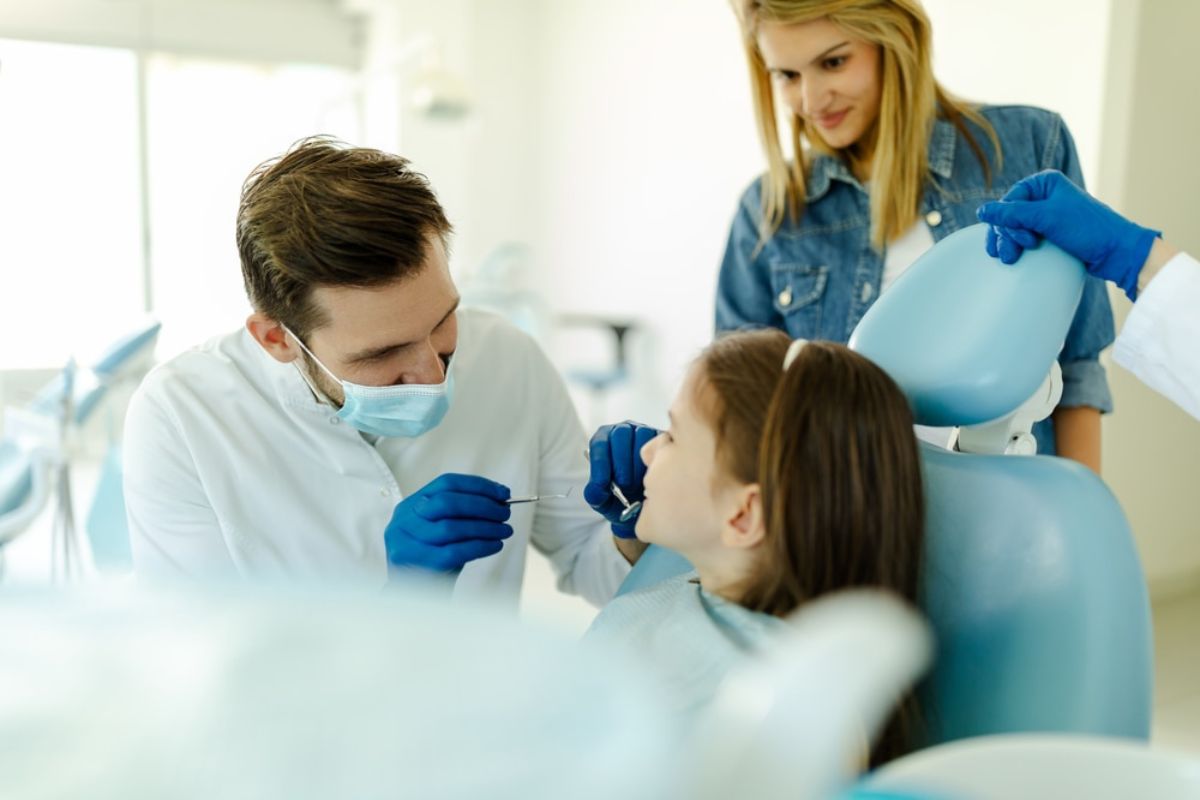
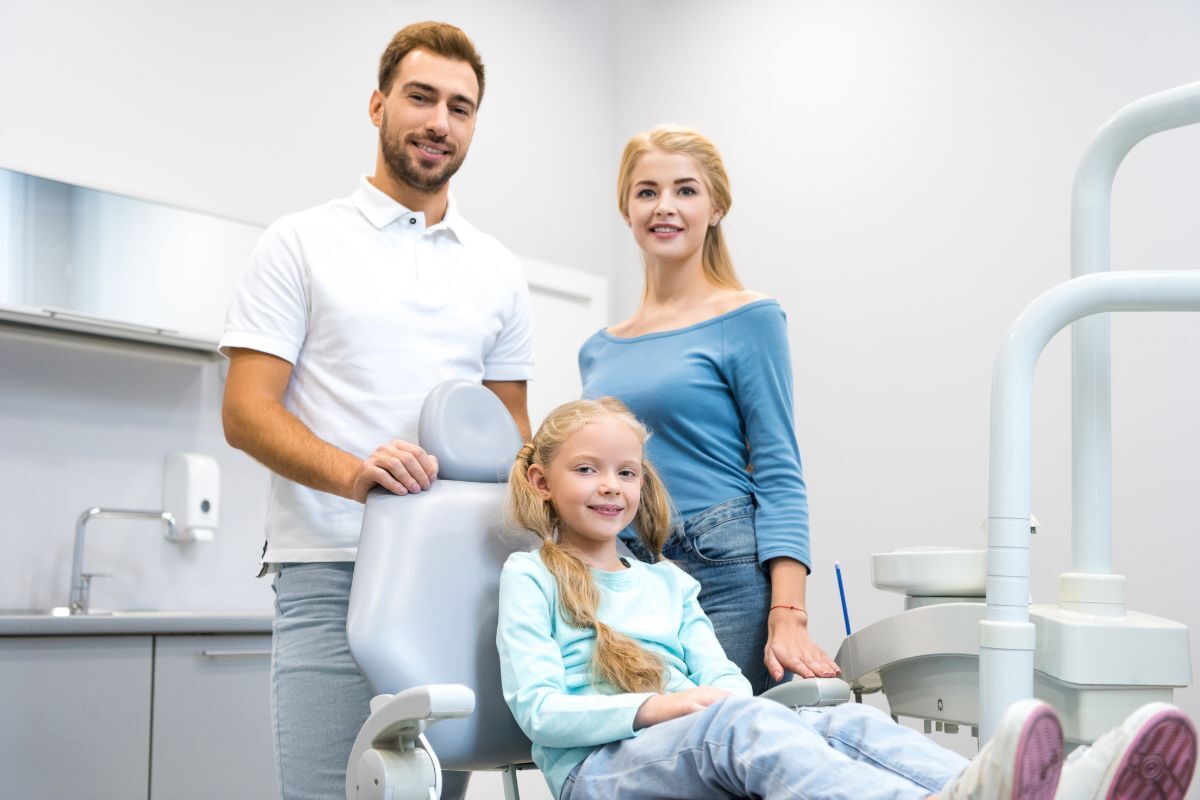
Family dentistry, often referred to as general dentistry in Carrollton, focuses on preventive care and long-term oral health for patients of all ages, from toddlers to seniors. It’s your “dental home”—the place you visit for check-ups, cleanings, and maintenance.
The Family Dentist’s Core Focus:
- Prevention: Routine cleanings, oral exams, sealants, and fluoride treatments.
- Maintenance: Fillings, crowns, bridges, and managing gum disease.
- Education: Teaching proper brushing and flossing techniques.
The Case for Routine Care: US Dental Utilization
The importance of this preventative approach cannot be overstated. Regular visits are the single best way to catch minor issues before they become major emergencies.
- According to the American Dental Association (ADA) Health Policy Institute, an estimated 45% of the U.S. population visited a dentist in 2022. However, this figure shows a disparity: 52% of children and seniors visited a dentist, compared to only 40% of adults aged 19-64.
- Data also shows that nearly 1 in 5 adults (ages 20-64) in the U.S. has untreated cavities, a preventable condition that often leads to emergencies.
The Takeaway: If your goal is to maintain a healthy smile and avoid painful, expensive dental emergencies, a family dentist who provides consistent, preventive care is your best fit.
The Immediate Lifeline: What is Emergency Dentistry?
Emergency dentistry in Carrollton addresses acute oral health issues that require immediate attention to alleviate severe pain, stop bleeding, or save a tooth. These are urgent situations that cannot wait for a standard appointment.
The Emergency Dentist’s Core Focus:
- Pain Relief: Addressing severe toothaches, abscesses, and infections.
- Trauma Management: Treating knocked-out teeth, broken jaws, or cracked teeth.
- Urgent Repair: Reattaching Loose Crowns or Fillings.
The High Cost of Dental Emergencies in the U.S.
When preventive care is missed, the consequences often result in patients being sent to an emergency setting. The data highlights a significant public health issue surrounding dental crises:
- The U.S. experiences an estimated 2 million visits to hospital emergency departments (EDs) annually for dental pain.
- These dental-related ED visits cost the U.S. healthcare system an estimated $1.7 billion annually.
- The most common dental-related conditions causing these ED visits? Diseases of the pulp (the tooth nerves) and periapical tissues (the tissues surrounding the root) often result from untreated decay and dental caries (cavities).
The Takeaway: If you are experiencing severe, debilitating pain, uncontrolled bleeding, or dental trauma, you need an emergency dentist or, in extreme cases, a hospital Emergency Department. The focus here is on stabilizing the crisis, not long-term maintenance.
When to choose family dentistry vs. emergency dentistry vs. the ER
Use this quick guide:
See your family dentist (scheduled or ASAP, same-day) for:
- Routine checkups, cleanings, and preventive care.
- A chipped tooth with no pain or swelling.
- Mild toothache that can wait a day or two.
- Lost filling or crown when there’s no severe pain or swelling.
Call an emergency dentist (or your dentist’s after-hours line) when:
- Severe, uncontrolled tooth pain.
- A knocked-out permanent tooth (the sooner it’s reimplanted, the better).
- Large, spreading swelling or signs of infection in the face or jaw.
- Uncontrolled bleeding after dental procedures.
- Broken tooth causing sharp edges or difficulty eating.
Go to the ER immediately when:
- You have airway compromise, uncontrolled facial swelling that affects breathing, major facial trauma (possible broken facial bones), uncontrolled bleeding, or any life-threatening condition. ERs stabilize life-threatening issues — they’re not a substitute for definitive dental care.
Practical tips to avoid ER trips
- Maintain regular preventive visits — individuals who visit a dentist regularly are significantly less likely to develop emergency tooth infections.
- If you have dental anxiety or limited access, consider asking your qualified dentist in Carrollton about payment plans, sliding-scale clinics, or community dental programs.
- Know your nearest after-hours/emergency dental clinic — it can be a more cost-effective and faster alternative to an ER for non-life-threatening dental problems.
The Bottom Line
While an Emergency Dentist is a crucial resource for the moments when your oral health is at stake, a Family Dentist is essential for preventing those moments in the first place.
For a truly healthy smile, you need both: A dedicated family dentist for proactive, routine care to minimize your risk of an emergency, and the knowledge of where to turn should a crisis strike. The data shows that investing in preventive care is not only better for your health—it also helps you avoid the significant cost and limited scope of treatment found in an emergency setting.
FAQs
Q1: Should I go to the Emergency Room for a toothache?
A: In most cases, no. Hospital emergency departments (EDs) are typically only equipped to manage severe pain and serious infections (such as draining an abscess). Still, they cannot perform definitive dental procedures, such as fillings or root canals. Remember, dental-related ED visits often cost much more than a visit to a dental office. Always try an emergency dentist first.
Q2: What is considered a true dental emergency?
A: True emergencies include a knocked-out tooth, a fractured jaw, uncontrolled bleeding, or a severe infection (abscess) causing facial swelling that affects your breathing or swallowing. Extreme, debilitating pain also warrants an immediate visit.
Q3: Does my family dentist offer emergency services?
A: Many family dentists reserve specific time slots for urgent cases or provide an after-hours contact for existing patients. It is always best to call your family dentist first, as they are familiar with your dental history.
Q4: How often should I see a family dentist for routine care?
A: The standard recommendation is a check-up and cleaning every six months. This helps the family dentist identify and treat early signs of decay, a key factor in preventing future dental emergencies.
Q5: Is a General Dentist the same as a Family Dentist?
A: For most practical purposes, yes. A Family Dentist is a general dentist who specifically markets their practice to treat patients of all ages, providing comprehensive care from pediatric to geriatric dentistry.