Request an Appointment

7 Signs It’s Time To Switch To A Family Dentist

Have you ever rushed from your child’s pediatric appointment to your own general dentistry visit, juggling two different schedules, offices, and billing systems? If you’re nodding your head, you’re not alone. In fact, managing dental care for a household with members of various ages can feel like a full-time job!
The reality is that your family’s oral health needs evolve constantly—from that precious first tooth to the complexities of an aging adult’s smile. While over 66% of adults in the U.S. reported visiting a dentist in the past year, ensuring everyone in your household receives consistent, tailored, and convenient care is the real challenge.
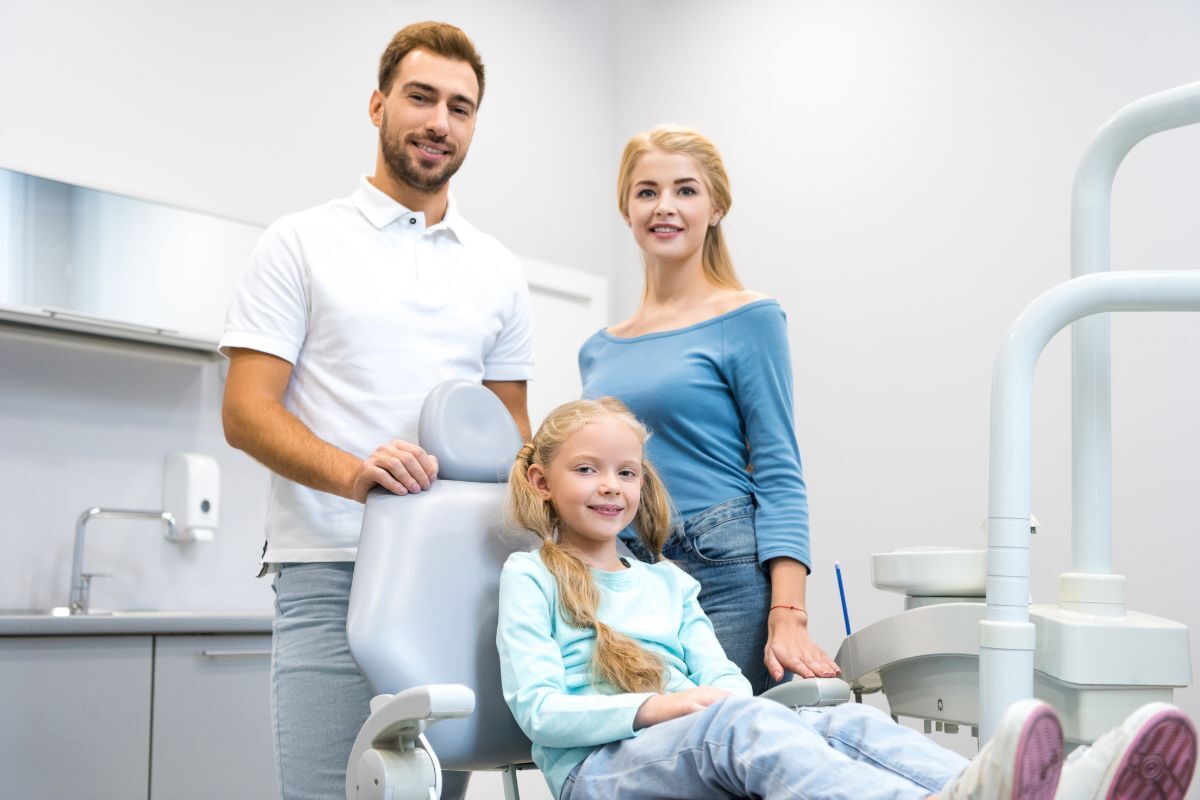
A single dental home that can handle all ages, a Family Dentist, can eliminate the chaos and ensure a cohesive approach to everyone’s smile. But how do you know if your current arrangement has expired?
Here are 7 definitive signs it’s time to switch to a Family Dentist.
Juggling Appointments Has Become an Olympic Sport
If your family calendar looks like a complex puzzle with dental appointments scattered across different providers, you’re wasting valuable time.
A primary benefit of a family dentist is the convenience of a single location. These practices are designed to accommodate appointments for multiple family members on the same day or consecutively.
- The Data Point: The average American spends nearly 17,600 minutes commuting per year (a conservative estimate for just travel time), and splitting appointments multiplies that travel and wait time significantly. Consolidating visits under one roof is a significant time-saver.
Your Kids Are Anxious About Going to the Dentist
The experience of visiting the dentist as a child profoundly shapes lifelong dental habits. Sadly, dental anxiety is widespread.
New research indicates that nearly three out of four (72.6%) U.S. adults report some level of fear regarding dental visits, with more than half of those with severe fear linking it to distressing childhood or adolescent visits.
A family dentist excels at creating a kid-friendly environment. Their team is specifically trained to manage behavioral issues, employ gentle approaches, and ensure a positive experience. They help break the cycle of fear, ensuring your children grow up with a healthy, routine attitude toward oral care.
You Lack Cohesion in Your Family’s Dental History
Does your dentist know about the hereditary gum issues your mother has, or the enamel weakness your child is showing? Probably not, if you see different doctors.
A family dentist maintains a single, comprehensive record for the entire household. This allows them to spot genetic patterns or shared risk factors, such as a family susceptibility to cavities or gum disease.
- Proactive Care Example: By identifying an inherited trend, a family dentist can apply preventive measures—such as dental sealants for a child (a protective coating that reduces the risk of decay) or a targeted cleaning schedule for a parent—much earlier, thereby preventing more complex and costly treatments later.
Your Dental Budget Feels Out of Control
While some specialized procedures might require a referral, a family dentist’s focus on prevention and comprehensive care can lead to significant long-term savings.
Family practices often offer:
- Family discounts or bundled service packages.
- More effective preventive care that helps avoid expensive, major procedures down the line. (For instance, an uncomplicated filling costs, but a root canal costs more, a significant jump that prevention aims to avoid).
By catching and treating minor issues early, a family dentist helps keep your budget in check.
The Needs of Your Teenagers or Seniors are Outgrowing Your Current General Dentist
Dental health needs change dramatically throughout life:
- Adults 20-64: Nearly 90% have experienced tooth decay, and about 42% have periodontal (gum) disease (CDC, 2025). They need preventive cleanings, restorative work, and gum health monitoring.
- Older Adults (65+): They face higher risks of conditions such as dry mouth and the need for dentures/implants.
A qualified family dentist in Carrollton is trained in dental care for all ages, from pediatric sealants to adult cosmetic work to geriatric dental challenges. Your 16-year-old and your 65-year-old relative can both receive specialized, age-appropriate care in the same office.
You Feel Rushed or Unheard at Appointments
If you feel your appointments are rushed or that your questions are inconvenient, it’s a strong sign to consider switching. As many as 34.4% of Americans still visit only a medical provider, not a dental provider, suggesting that, for many, dental health remains a separate, lower-priority concern.
A good family dentist prioritizes building a long-term, trusting relationship with their patients. They take the time to explain your options and ensure you feel respected and confident in the treatment plan. Trust is the foundation of good health.
Your Dentist Doesn’t Offer Essential, Modern Services
A modern, family-focused practice should offer a wide range of services to minimize the need for external referrals. If your current office consistently refers you elsewhere for basic procedures, such as simple extractions, minor orthodontics, or complex cosmetic work, it’s time to look for a more comprehensive provider.
A versatile family dentist often provides basic orthodontics (like Invisalign), cosmetic treatments (like whitening and veneers), and minor surgical procedures, maximizing the convenience of getting most of your family’s care under one roof.
The Bottom Line
Switching to a family dentist is often less about finding “better” care and more about finding smarter, more coordinated, and more convenient care for your entire household. From minimizing travel time and managing dental anxiety in children to proactively detecting hereditary health trends, a family-centric approach creates a strong foundation for lifelong oral wellness. If any of these seven signs sound familiar, your family’s smile journey may benefit from a new, consolidated dental home.
FAQs
Q1: What is the main difference between a General Dentist and a Family Dentist?
A: Both are highly trained dentists who provide fundamental care (cleanings, fillings). The key difference is the patient focus: a General Dentist primarily treats adults, while a Family Dentist specializes in treating patients of all ages, from toddlers to seniors. This multi-generational training ensures they understand the unique dental needs at every stage of life.
Q2: Does a Family Dentist cost more than a General Dentist?
A: Not necessarily. While the base cost of a cleaning or filling may be similar, a Family Dentist can often be more cost-effective overall due to convenience (saving on travel/time), family discounts, and a stronger focus on preventive care, which helps you avoid expensive restorative procedures down the road.
Q3: How do I switch my entire family to a new dentist?
A: Switching is easy.
- Select your new Family Dentist.
- Request your current dental offices to electronically or physically transfer your family’s dental records (X-rays, history) to the new practice. Legally, these records belong to you, and transfer is usually simple.
- Schedule a new patient exam for all family members.
Q4: Will a Family Dentist refer me to a specialist for complex procedures?
A: Yes. Family dentists handle the vast majority of standard procedures. However, for highly complex or specialized cases—like intricate root canals, advanced gum surgery, or major oral surgery—a good Family Dentist will refer you to a trusted specialist, ensuring you get the absolute best care while still managing your regular, ongoing health.
Q5: Will a Family Dentist accept my insurance?
A: Most family dental practices work with a wide variety of common dental insurance providers. When researching, call the new office and provide your insurance details (PPO, HMO, etc.). They can confirm if they are “in-network” or “accept” your plan before your first visit.