Request an Appointment

The Importance of Oral Hygiene: Tips From A Dentist
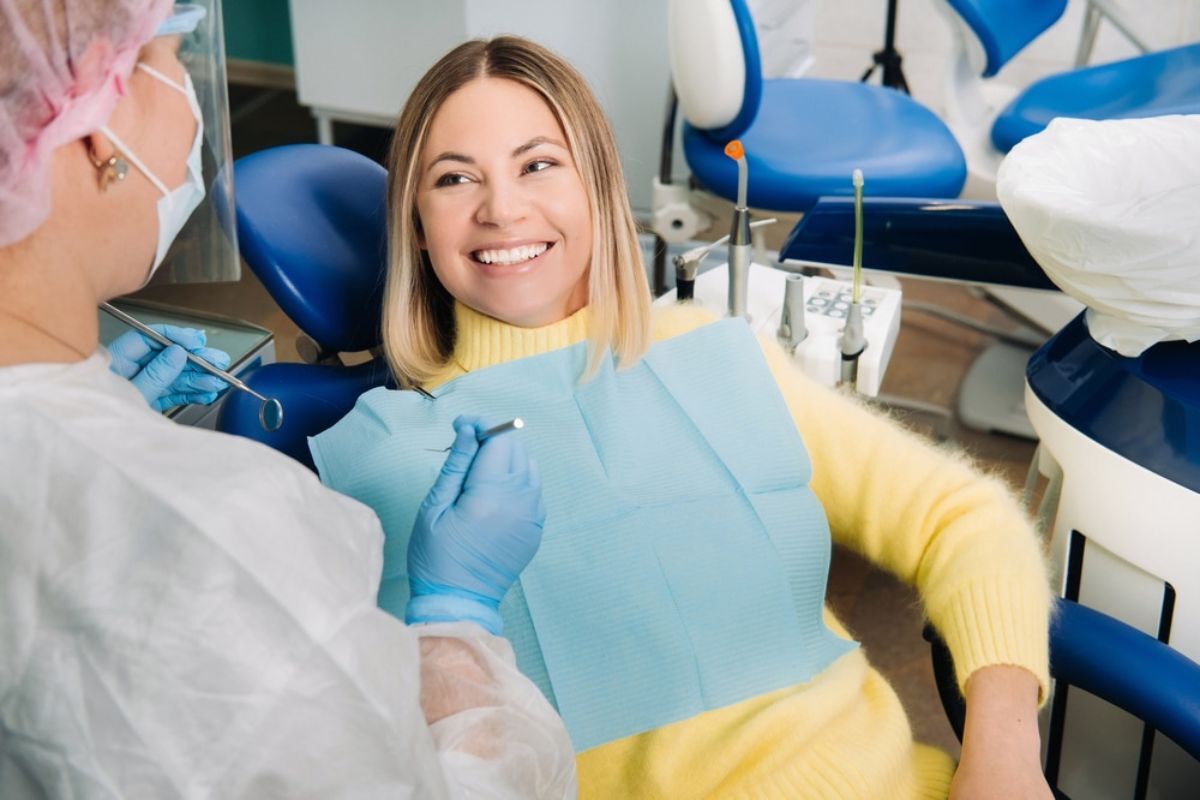
If you think maintaining good oral health is all about brushing regularly and having a white smile, you may be mistaken. Your dental condition plays a crucial role in your overall health. Poor oral care can cause cavities and gum disease, impacting your systemic health, which includes diabetes and heart disease. A consistent oral care routine protects your gums and teeth while promoting a healthy lifestyle.
How Do Plaque and Bacteria Affect Oral Health?
If left untreated, bacteria accumulate in your mouth and form plaque. Over time, this plaque hardens into tartar, which causes gum inflammation, tooth decay, and even periodontal disease. If you are a resident of Carrollton, TX, visit our dental office for an evaluation with a reputable dentist in Carrollton.
Tips from a Dentist to Maintain Proper Oral Health
To ensure your mouth is in top shape, here are specific tips that a professional oral care provider recommends:
Brush Twice Daily
Brush your teeth for at least two minutes with a soft-bristled toothbrush and fluoride toothpaste. Make sure you clean every surface of your teeth, including the back molars and the gum line. This helps remove food particles and plaque.
Floss Once Daily
Regular flossing is crucial for removing debris and plaque from areas where the toothbrush cannot reach. This helps prevent cavities and reduces the risk of gum disease.
Use Antibacterial Mouthwash
Rinse your mouth with an antibacterial mouthwash to reduce bacteria, freshen your breath, and promote overall hygiene. Choose a mouthwash that has fluoride for added protection against cavities.
Make Necessary Dietary Modifications
What you eat significantly affects your dental health. Therefore, limit foods and beverages that prevent tooth decay and enamel erosion. Instead, choose nutritious foods like leafy greens, crunchy fruits and vegetables, and dairy products that support strong teeth and gums.
Schedule Regular Dental Visits
Routine dental checkups are non-negotiable. Regular visits to a dental practitioner are essential for professional cleanings and early detection of potential problems. Moreover, dental surgeons recommend biannual visits for thorough examination and preventive care.
Factors to Consider
While following the above-mentioned tips is essential, there are other aspects of dental hygiene that you need to keep in mind:
- Follow proper technique: Learn the correct way to brush and floss. This ensures maximum effectiveness in removing bacteria and plaque.
- Early Detection: Visiting a dental surgeon allows early diagnosis of problems, making treatment less invasive and more effective.
- Special Dental Needs: People with specific health issues may require a personalized oral care routine and treatment. Therefore, consult an oral care provider for individualized guidance.
Taking a proactive approach to dental hygiene is vital to keeping your oral and overall health in top shape. Proper oral hygiene and regular visits to our dental office increase your chances of preventing serious dental problems and maintaining your overall health. If you’re looking for a reliable Carrollton-based dental clinic, booking an appointment at our practice can be the ideal way to keep your dental health in safe hands. Schedule an appointment at our clinic today to enjoy a healthy smile for a long time.
Conclusion
Good oral hygiene is one of the simplest ways to protect your teeth and gums every day. Brushing twice daily with fluoride toothpaste, cleaning between your teeth, limiting sugary foods and drinks, and keeping regular dental visits can help control plaque and reduce the risk of cavities and gum disease.
At iO Dentistry Carrollton, Dr. Kim Ly Nguyen can assess your oral health and provide personalized guidance based on your dental needs. Schedule an appointment for preventive care, a routine dental exam, or to discuss any changes you have noticed in your teeth or gums.
Visit our dental practice in Carrollton to learn more about maintaining healthy teeth and gums and building an oral hygiene routine that works for you.
Frequently Asked Questions
1. What should I do every day to keep my teeth healthy?
Brush twice a day with fluoride toothpaste and clean between your teeth daily to remove plaque from areas a toothbrush may miss.
2. How often should I replace my toothbrush?
The ADA recommends replacing a toothbrush about every three to four months, or sooner if the bristles become frayed.
3. Is flossing really necessary if I brush well?
Yes. Cleaning between your teeth helps remove plaque and food particles that toothbrush bristles cannot effectively reach.
4. Can poor oral hygiene cause cavities?
Poor plaque control can increase the risk of tooth decay. A consistent home-care routine and regular professional dental care can help protect your teeth.
5. When should I see a dentist about my oral health?
Regular dental visits can help identify problems early, even when you do not have noticeable symptoms. Your dentist can recommend a visit schedule based on your needs.