Request an Appointment

Can You Brush Your Teeth After Emergency Dentistry?
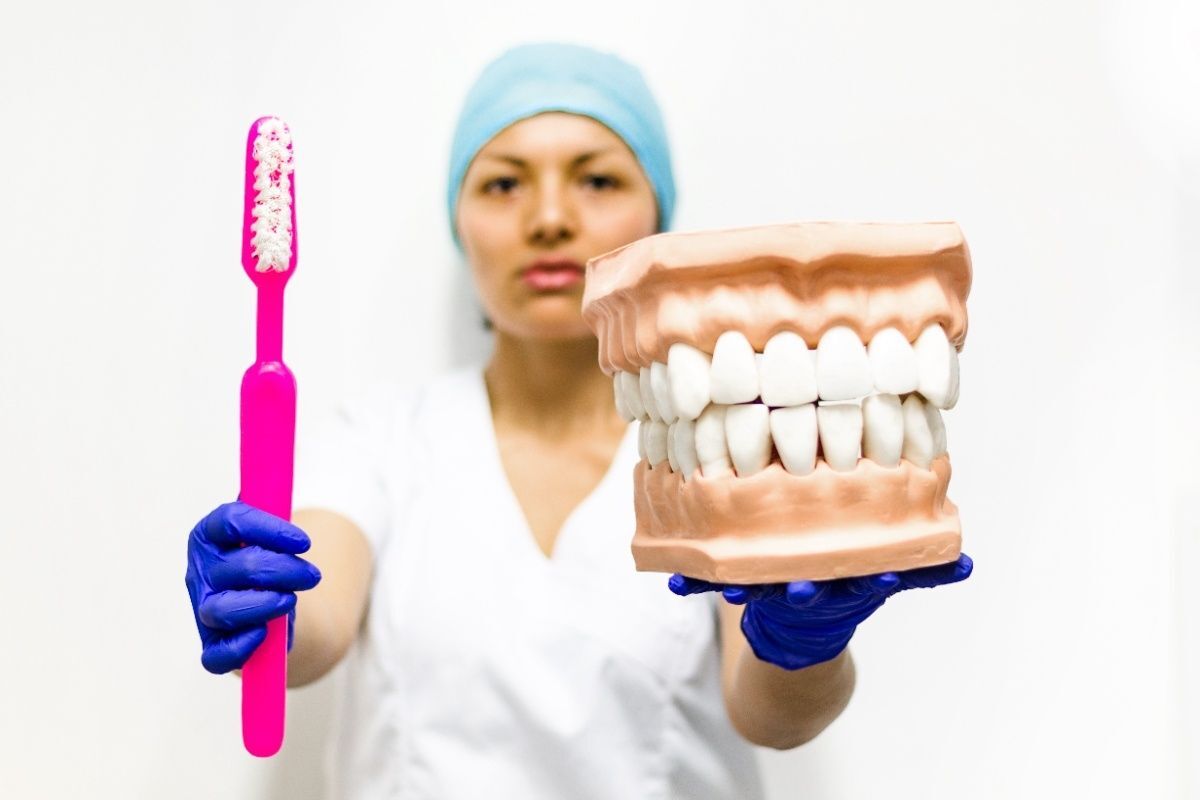
Have you recently visited an emergency dentist because of a severe toothache, broken tooth, dental infection, knocked-out tooth, or another urgent dental problem?
If so, you’re probably focused on healing and avoiding further complications. But one question often catches patients by surprise after treatment:
“Can I brush my teeth after emergency dentistry?”
The answer is usually yes—but how and when you brush depends on the type of emergency dental treatment you received.
Maintaining good oral hygiene after emergency dental care is essential. However, brushing too aggressively or disturbing a healing area can sometimes delay recovery. Understanding the right approach can help protect your oral health, reduce the risk of infection, and support faster healing.
According to the American Dental Association (ADA), oral diseases affect nearly 3.5 billion people worldwide, and proper oral hygiene remains one of the most effective ways to prevent infections and complications. Additionally, the Centers for Disease Control and Prevention (CDC) reports that nearly 26% of U.S. adults have untreated tooth decay, highlighting the importance of maintaining healthy dental habits even after emergency treatment.
In this guide, we’ll discuss when you can brush your teeth after emergency dentistry, how to clean your mouth safely, common mistakes to avoid, and what to expect during recovery.
Can You Brush Your Teeth After Emergency Dentistry?
In most situations, yes.
Dentists generally encourage patients to continue brushing after emergency treatment because plaque and bacteria can accumulate quickly if oral hygiene is neglected.
However, the exact timing and technique depend on the procedure performed.
For example:
- After a dental filling, brushing usually resumes the same day.
- After a root canal, gentle brushing is generally encouraged.
- After a tooth extraction, special precautions may be necessary.
- After treatment for a dental abscess, keeping the area clean becomes especially important.
The goal is to balance cleanliness with protection of the healing site.
Why Oral Hygiene Matters After Emergency Dental Care
Some patients mistakenly avoid brushing because they’re afraid of causing pain or damaging the treated area.
Unfortunately, poor oral hygiene can increase the risk of complications.
According to the National Institute of Dental and Craniofacial Research (NIDCR), oral bacteria naturally accumulate in dental plaque. Without regular removal, these bacteria can contribute to:
- Gum inflammation
- Infection
- Delayed healing
- Tooth decay
- Bad breath
Keeping your mouth clean helps create an environment that supports healing.
Brushing After Common Emergency Dental Procedures
After Emergency Tooth Extraction
Tooth extractions are among the most common emergency dental treatments.
Following extraction, a blood clot forms in the socket.
This clot is essential because it:
- Protects the bone
- Protects nerves
- Supports healing
- Reduces infection risk
According to the American Dental Association (ADA), disturbing the blood clot may lead to a painful condition known as dry socket.
When Can You Brush?
Most dentists recommend:
- Avoid brushing directly over the extraction site for the first 24 hours.
- Continue brushing your other teeth carefully.
- Resume gentle brushing near the extraction area after your dentist’s recommended healing period.
Special care helps protect the developing blood clot.
After Emergency Root Canal Treatment
Root canal therapy removes infected tissue from inside the tooth.
The treated tooth may feel sensitive for several days afterward.
Can You Brush?
Yes.
Patients are generally encouraged to continue:
- Brushing twice daily
- Flossing carefully
- Maintaining normal oral hygiene
Gentle brushing helps prevent bacterial buildup around the treated tooth.
Research published by the American Association of Endodontists emphasizes the importance of maintaining oral hygiene after root canal treatment to support long-term success.
After Emergency Dental Fillings
If a cavity causes severe pain or tooth damage, emergency fillings may be necessary.
Modern filling materials typically harden quickly.
Can You Brush?
In most cases, yes.
Patients can usually resume normal brushing the same day unless otherwise instructed.
If the treated tooth feels sensitive, use gentle pressure.
After Crown or Temporary Crown Placement
Emergency dentistry in Carrollton often involves placing temporary or permanent crowns to protect damaged teeth.
Brushing Recommendations
Patients should:
- Brush carefully around the crown
- Avoid aggressive scrubbing
- Use a soft-bristle toothbrush
Good hygiene helps prevent decay from developing around crown margins.
After Treatment for a Dental Abscess
Dental abscesses are serious infections requiring prompt treatment.
The CDC and ADA recognize untreated dental infections as potentially serious health concerns.
Oral Hygiene After Treatment
Patients should:
- Continue brushing carefully
- Follow the antibiotic instructions
- Rinse as directed
- Avoid irritating the affected area
Keeping bacteria under control supports healing.
How to Brush Safely After Emergency Dentistry
The right technique can help you stay comfortable while protecting healing tissues.
Use a Soft-Bristle Toothbrush
The ADA recommends soft-bristled brushes because they effectively remove plaque while minimizing irritation.
Soft bristles are especially important after dental procedures.
Brush Gently
Aggressive brushing can:
- Irritate gums
- Increase sensitivity
- Delay healing
Use small circular motions and light pressure.
Avoid Direct Trauma to Surgical Areas
If you’ve had:
- Extractions
- Oral surgery
- Soft tissue repair
Avoid brushing directly on the surgical site until your dentist says it’s safe.
Consider an Antimicrobial Rinse
Your dentist may recommend a prescription or over-the-counter rinse.
These products can help reduce bacterial growth during recovery.
Always follow professional instructions.
Should You Floss After Emergency Dentistry?
In many cases, yes.
Flossing removes plaque and food particles from areas a toothbrush cannot reach.
However, flossing recommendations vary depending on treatment.
For example:
- After Extractions: Avoid disturbing the healing site.
- After Fillings or crowns, gentle flossing is usually encouraged.
- After root canal therapy, normal flossing can often continue.
- When in doubt, ask your dentist for personalized instructions.
Common Mistakes Patients Make After Emergency Dental Treatment
Skipping Brushing Entirely
Many patients avoid brushing because they’re afraid of causing pain.
Unfortunately, this can increase bacterial buildup.
Using a Hard-Bristle Toothbrush
Hard bristles may damage healing tissues and irritate sensitive areas.
Brushing Too Aggressively
More pressure does not equal better cleaning.
Gentle brushing is often more effective and safer.
Ignoring Post-Operative Instructions
Every dental emergency is unique.
Always follow your dentist’s specific recommendations.
Smoking During Recovery
According to the CDC, smoking interferes with healing and increases the risk of complications following dental procedures.
Patients should avoid tobacco products whenever possible.
Other Oral Hygiene Tips After Emergency Dentistry
Stay Hydrated
Water helps:
- Wash away food particles
- Support saliva production
- Maintain oral health
Saliva naturally helps control bacteria.
Eat Soft Foods When Recommended
Following certain procedures, soft foods may reduce irritation.
Examples include:
- Yogurt
- Mashed potatoes
- Applesauce
- Oatmeal
- Scrambled eggs
Attend Follow-Up Visits
Regular follow-up appointments allow your dentist to:
- Monitor healing
- Address complications
- Evaluate treatment success
Skipping follow-up care may delay recovery.
Warning Signs You Should Contact Your Dentist
While mild discomfort is normal after many emergency procedures, certain symptoms require professional attention.
Call your dentist if you experience:
- Severe bleeding
- Increasing pain
- Swelling that worsens
- Fever
- Pus drainage
- Persistent bad taste
- Difficulty swallowing
These symptoms may indicate infection or other complications.
The Role of Oral Hygiene in Healing
Research consistently demonstrates that controlling plaque improves oral health outcomes.
A review published in the Journal of Clinical Periodontology found strong evidence linking plaque control to healthier healing responses and reduced inflammation.
Brushing after emergency dental treatment is not simply about fresh breath.
It plays an important role in:
- Preventing infection
- Supporting gum health
- Protecting the surrounding teeth
- Encouraging recovery
When performed correctly, brushing becomes part of the healing process itself.
Conclusion
So, can you brush your teeth after emergency dentistry?
In most cases, absolutely. In fact, maintaining good oral hygiene is often essential for proper healing and long-term treatment success. The key is understanding how to brush safely based on the type of emergency procedure you received.
Whether you’ve undergone a tooth extraction, root canal, emergency filling, crown placement, or treatment for a dental infection, gentle brushing, proper aftercare, and following your trusted Carrollton, TX, dentist’s instructions can help reduce complications and support recovery.
If you’re ever unsure about brushing, flossing, or caring for a treated area, don’t hesitate to contact your dental provider. A few simple adjustments to your oral hygiene routine can make a significant difference in your healing process and overall oral health.
Frequently Asked Questions
1. Can I brush my teeth the same day after emergency dental treatment?
In many cases, yes. However, the timing depends on the procedure performed. Patients should follow their dentist’s specific instructions.
2. Should I brush after a tooth extraction?
You can usually brush the rest of your teeth, but avoid disturbing the extraction site during the initial healing period.
3. What type of toothbrush should I use after emergency dentistry?
A soft-bristle toothbrush is generally recommended because it effectively removes plaque while minimizing irritation.
4. Can brushing too hard cause complications?
Yes. Aggressive brushing may irritate healing tissues, increase discomfort, and potentially delay recovery.
5. How can I keep my mouth clean if brushing is difficult?
Your dentist may recommend gentle rinsing, an antimicrobial mouthwash, a saltwater rinse, or modified brushing techniques depending on your treatment.