Request an Appointment

Can An Emergency Dentist Save Damaged Dentures?
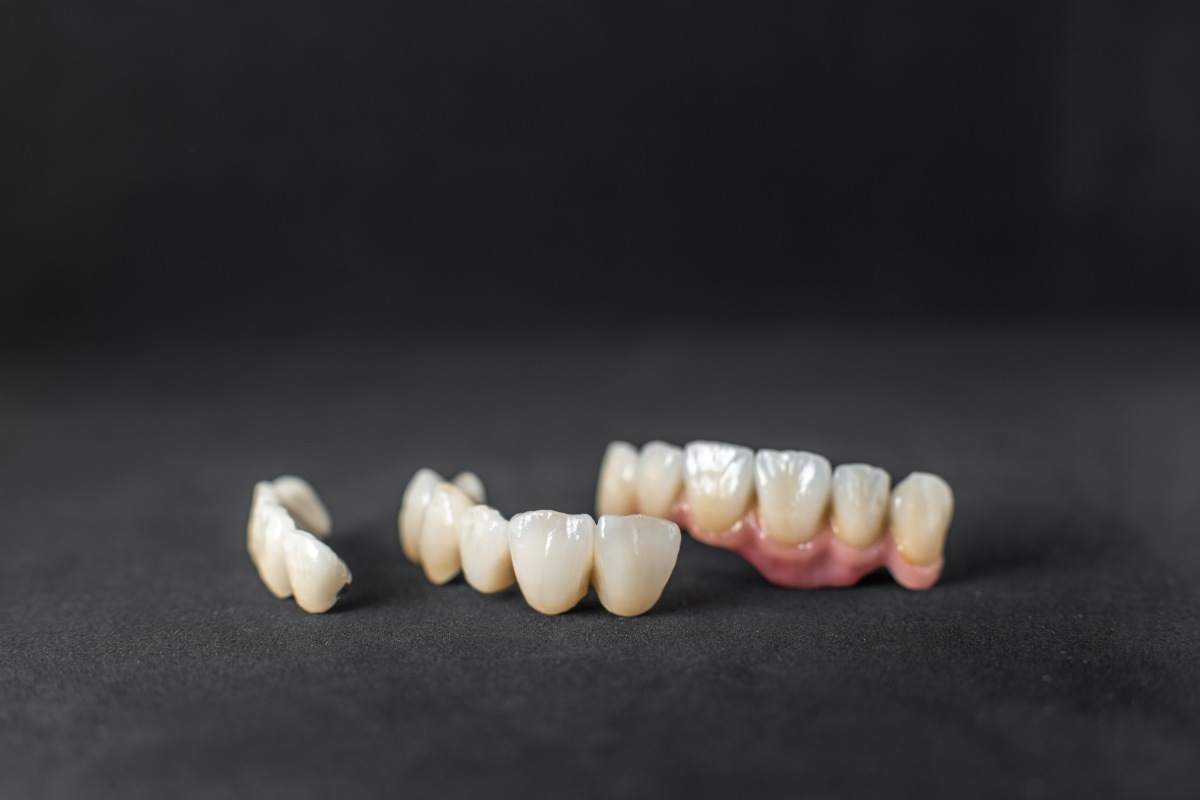
Imagine you are getting ready for dinner in Carrollton, TX, when your denture suddenly cracks, an artificial tooth comes loose, or the appliance slips out of your hand and hits the bathroom floor. What should you do next? Can an emergency dentist repair it quickly, or will you need an entirely new denture?
The answer depends on the type and extent of the damage. In many cases, a dentist can repair or adjust a denture, potentially helping you avoid the inconvenience of replacing the entire appliance. However, a denture with a severe fracture, multiple missing teeth, or an unstable fit may require more extensive treatment.
At iO Dentistry Carrollton, Dr. Kim Ly Nguyen understands how important comfortable, functional dentures are for everyday activities such as eating and speaking. If your denture is damaged, knowing how to respond can help protect your oral health and prevent the problem from becoming worse.
Can an Emergency Dentist Repair Damaged Dentures?
Yes, an emergency dentist in Carrollton may be able to save damaged dentures. The appropriate solution depends on whether the damage affects the denture base, artificial teeth, metal framework, clasps, or overall fit.
The American Dental Association (ADA) explains that broken dentures, cracked bases, chipped artificial teeth, and loose denture teeth should be evaluated by a dental professional. Dentists can often make adjustments or repairs, sometimes the same day, though complicated cases may require a dental laboratory.
For example, a denture with one loose artificial tooth may be easier to repair than a denture that has split into several pieces. A small crack may also be repairable, but its location and the condition of the surrounding material matter.
An emergency dental appointment lets the dentist examine the damage, check your mouth for irritation or injury, and decide whether repairing the existing appliance makes sense.
What Types of Denture Damage Can Be Repaired?
Not every damaged denture requires complete replacement. Here are some common problems a dentist may assess.
1. Cracked or Broken Denture Base
The denture base is the part that rests against your gums. It is commonly made from acrylic resin or another denture material.
A crack may develop after you drop a denture, it is exposed to excessive pressure, or it weakens through everyday wear. Depending on its location and severity, a dental professional may be able to repair the fracture and restore the appliance’s function.
A major break, a distorted base, or repeated fractures may indicate that the denture is no longer structurally reliable. In these situations, the dentist may recommend a replacement rather than another repair.
2. Loose or Missing Artificial Teeth
An artificial tooth can become loose or detach from the denture base. This may happen because of an impact, material deterioration, or a problem with the existing attachment.
If the surrounding denture is in good condition, the dentist may be able to reattach the tooth or replace it. However, the appliance should be examined to identify why the tooth came loose in the first place.
Avoid using household glue or other adhesives. These products aren’t intended for oral appliances and can damage the denture or expose your mouth to harmful chemicals.
3. Bent or Damaged Clasps on Partial Dentures
Partial dentures in Carrollton often use clasps or other components to help hold the appliance in place. A clasp can bend, loosen, or break after repeated use or accidental damage.
A dentist can evaluate whether the clasp can be adjusted or whether the appliance needs professional repair. Don’t bend the metal yourself, as an improper adjustment can affect the fit or put unwanted pressure on supporting teeth.
4. Dentures That No Longer Fit Properly
Sometimes a denture isn’t broken, but it becomes loose or uncomfortable. Changes in the gums and underlying jawbone can alter how a denture fits over time.
The ADA notes that ill-fitting dentures may need relining, adjustment, or replacement. Denture adhesive isn’t a permanent fix for an appliance that no longer fits properly.
If your denture causes sores, slips while eating, or requires increasingly frequent adhesive use, schedule an evaluation rather than continuing to tolerate the discomfort.
How Common Are Dentures and Denture Repairs?
Denture problems affect many adults. According to the ADA’s denture care information, more than 36 million Americans have no natural teeth, while approximately 120 million people in the United States are missing at least one tooth. According to the ADA, around 90% of people without natural teeth use dentures.
These numbers help explain why denture maintenance and timely repair are important aspects of dental care.
Research also shows that dentures have a limited service life, although longevity varies considerably. A 2022 study examining records from 187,227 Australian adults who received complete dentures through public clinics reported a mean denture longevity of approximately 6.06 years among the dentures replaced during the observation period. A separate 2023 evidence review reported a weighted mean survival time of approximately 10.06 years across 27 studies involving 3,023 complete dentures.
These findings are not contradictory estimates for every patient. They come from different study populations and methods, and they demonstrate why a denture’s condition, maintenance, fit, and individual circumstances matter more than any single replacement timeline.
What Should You Do When Your Dentures Break?
A damaged denture can be stressful, especially if you rely on it to eat or speak. A few sensible steps can help protect the appliance until you get professional advice.
Step 1: Stop Wearing the Damaged Denture
Remove the denture if it is cracked, sharp, unstable, or causing pain. Continuing to wear it may irritate your gums, create pressure points, or cause further damage.
If a fragment is missing, check your mouth carefully without unnecessarily putting your fingers into an injured area. Do not continue wearing the denture if you suspect a piece has broken off.
Step 2: Keep the Pieces Together
Collect any broken pieces and place them in a clean, protective container. Bring the denture and all available fragments to your dental appointment.
Do not try to force the pieces together or alter their edges. Preserving the original components gives the dentist a better opportunity to assess the damage.
Step 3: Contact a Dental Office Promptly
Call your dentist and explain what happened. Describe whether the denture is cracked, split, missing a tooth, or causing an injury. Mention any pain, bleeding, swelling, or difficulty eating.
Ask whether an urgent evaluation is appropriate and whether they can repair it. Same-day treatment depends on the damage, the office’s availability, and whether a dental laboratory is needed.
Step 4: Avoid DIY Repair Kits and Household Glue
It may be tempting to purchase a repair kit or use superglue to put a denture back together. Avoid this approach unless a dental professional has specifically recommended a suitable product for your situation.
The ADA warns that do-it-yourself repairs can seriously damage a denture and potentially harm your health. An improperly repaired appliance may have an uneven surface, an altered fit, or a weakened structure.
Step 5: Protect Your Mouth While Waiting
If the denture cannot be worn comfortably, avoid forcing it into place. Choose soft foods you can manage safely, and avoid hard or sticky foods that could worsen the damage.
Keep the appliance clean and follow the storage instructions provided for its material. Many removable dentures should be kept moist when they are not being worn, but the recommended storage method can vary.
What Happens During an Emergency Denture Appointment?
An emergency denture evaluation generally begins with questions about how the damage occurred and whether you have experienced discomfort or injury.
Dr. Kim Ly Nguyen can assess the denture’s condition and the tissues inside your mouth. The evaluation may include checking for sharp edges, cracks, missing teeth, damaged clasps, pressure points, or signs that the appliance no longer fits correctly.
After examining the problem, the dental team can explain the available options.
Depending on the findings, treatment may include:
- Denture repair: Fixing a suitable crack or reattaching an artificial tooth.
- Denture adjustment: Smoothing or adjusting an area that causes discomfort, when appropriate.
- Relining: Improving how the denture base contacts the gums when the fit has changed.
- Replacement: Creating a new appliance if the existing denture is extensively damaged, distorted, or no longer suitable.
Not every repair can be completed during the initial appointment. Some cases require specialized equipment, lab work, or a more detailed assessment before the dentist can determine the best treatment.
The goal is to restore safe function where possible, not simply to make a broken denture look intact.
When Is Denture Damage a Dental Emergency?
A broken denture does not always require emergency medical treatment, but certain symptoms deserve prompt attention.
Contact a dentist as soon as possible if your denture has sharp edges, causes significant soreness, becomes unusable, or has a fracture that makes it unstable. Prompt assessment is also important if the appliance is causing a cut or persistent irritation.
Seek urgent medical care if you experience severe bleeding that will not stop, difficulty breathing or swallowing, or significant facial trauma. Call 911 for a life-threatening emergency.
If you suspect that you have inhaled a broken denture fragment or another object, seek emergency medical evaluation. Do not wait for a routine dental appointment if breathing is affected.
The ADA recommends contacting a dentist promptly for dental emergencies. Explaining your symptoms and the extent of the damage helps the dental team determine the next step.
How Can You Prevent Future Denture Damage?
Although accidents cannot always be prevented, good denture care can reduce avoidable damage and help you recognize problems earlier.
Clean Your Dentures Daily
Rinse away food debris and clean the appliance with a denture cleanser and a suitable brush. Avoid abrasive products that may scratch the surface.
The ADA recommends cleaning dentures daily to remove food particles and reduce biofilm, bacteria, and fungal buildup. Always rinse the appliance thoroughly before placing it back in your mouth.
Store Dentures Properly
When removable dentures are out of your mouth, follow the storage recommendations for your specific appliance. Many dentures should be stored in water or an appropriate soaking solution to prevent them from drying out.
Never use hot or boiling water, which can distort the denture and affect its fit.
Handle Them Over a Soft Surface
When cleaning or removing your dentures, handle them over a folded towel or a basin filled with water. This simple precaution can reduce the impact if the appliance slips from your hands.
Schedule Regular Dental Checkups
Your mouth changes over time, and dentures can become loose even if you clean them carefully. Regular dental visits let your dentist check the appliance, assess your gums, and spot changes that may require an adjustment or replacement.
The ADA also identifies persistent irritation, poor stability, cracked or broken components, and dentures that are more than five years old as reasons to have the appliance evaluated for possible replacement. This prompts a professional assessment, not a rule that every denture must be replaced at five years.
Avoid Chewing Hard Objects
Do not use your dentures to bite hard candy, ice, or other objects that place excessive pressure on the appliance. Follow your dentist’s guidance about foods that may be difficult to manage with your particular denture.
Can You Save Money by Repairing Dentures Instead of Replacing Them?
Repair may be less expensive than making an entirely new denture, but the best option depends on the damage and the appliance’s condition.
A localized problem in an otherwise stable denture may be repairable. However, if the base is badly fractured, the denture repeatedly breaks, or the fit has deteriorated, repeated repairs may not offer a dependable long-term solution.
A professional evaluation can help you understand the expected costs, whether laboratory services are needed, and whether repair or replacement is more appropriate. Ask for an estimate before treatment begins, especially if your dental plan may cover some of the cost.
Also consider comfort and function, not just the immediate repair price. A denture that looks repaired but fits poorly may continue to cause irritation or interfere with eating and speaking.
Conclusion
An emergency dentist may be able to save damaged dentures by repairing cracks, replacing loose artificial teeth, adjusting clasps, or improving the fit. The right solution depends on the type of damage, the appliance’s condition, and whether it can function safely after treatment.
If your dentures break, stop wearing them if they are unstable or painful, keep the pieces together, and avoid household glue or do-it-yourself repairs. A professional can help you decide whether repair, adjustment, or replacement is best.
At iO Dentistry Carrollton, Dr. Kim Ly Nguyen can evaluate your dental concerns and discuss the best next steps for your oral health.
Visit our dental practice in Carrollton, TX. Book now to schedule your appointment with our team.
Frequently Asked Questions
1. Can a dentist help with a dental emergency?
Yes. A dentist can assess many urgent dental problems, including pain, broken teeth, oral injuries, and damaged dental appliances. Contact our dentist to describe your symptoms and learn how soon you should be seen.
2. How often should I visit the dentist?
The recommended schedule depends on your oral health, dental history, and risk factors. Our dentist can recommend an appropriate checkup schedule and identify any concerns that need closer monitoring.
3. What should I do if my dentures cause mouth sores?
Stop wearing the denture if it causes significant pain or irritation, and arrange a dental evaluation. Our dentist can check the affected tissues and assess whether the appliance needs adjustment, relining, or replacement.
4. Are regular dental checkups necessary if I wear dentures?
Yes. Denture wearers still need oral health evaluations to check the gums, remaining natural teeth, oral tissues, and denture fit. Our dentist can identify changes that may not be obvious at home.
5. How do I know whether I need a new denture?
Persistent looseness, recurring damage, missing artificial teeth, discomfort, and changes in fit can indicate that a denture needs professional attention. Our dentist can examine the appliance and discuss whether repair, adjustment, or replacement is appropriate.