Request an Appointment

Accidentally Swallowed A Dental Crown—Emergency Dentist Tips You Should Know
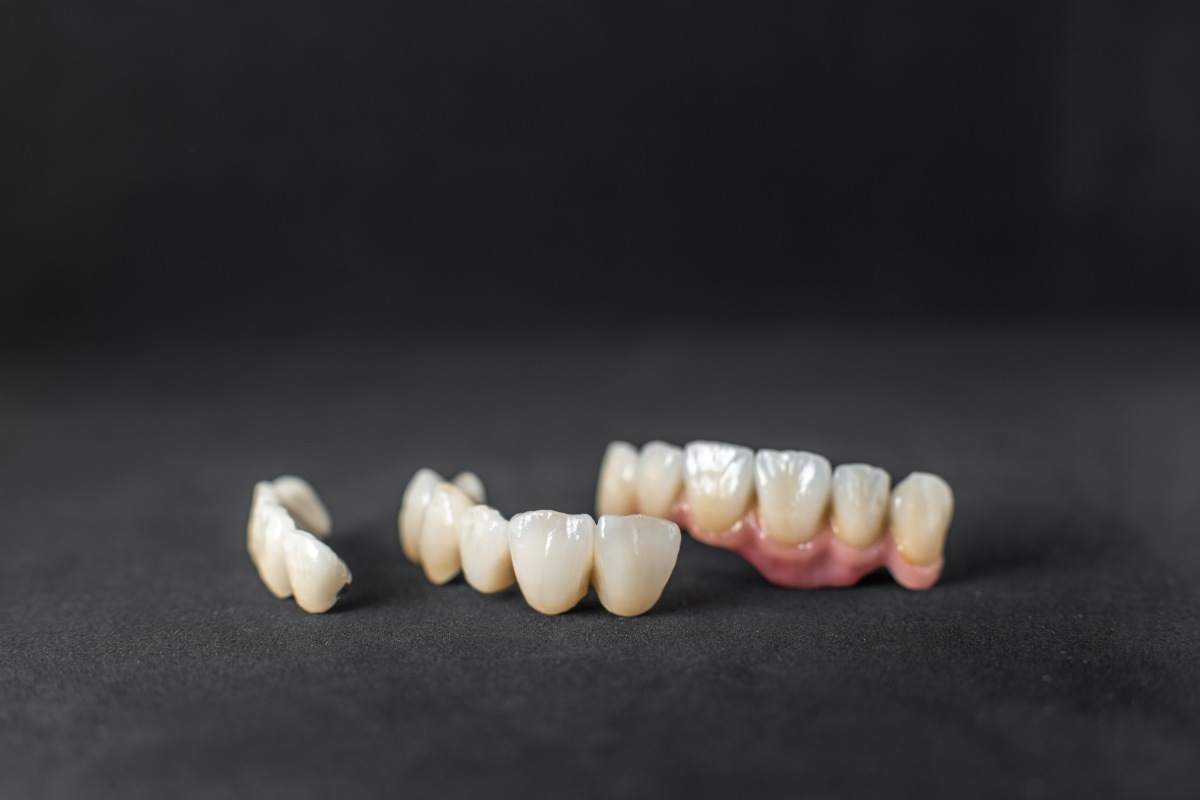
Did your dental crown suddenly come loose while you were eating—and before you could react, you swallowed it? It can be a frightening moment. Your first thoughts may be: Will the crown pass naturally? Could it be stuck? Did I inhale it instead? Do I need an emergency dentist?
Accidentally swallowing a dental crown is uncommon, but dental restorations can become swallowed or, more seriously, aspirated into the airway. The difference matters. A swallowed object enters the digestive tract, while an aspirated object enters the breathing passages and can become a medical emergency.
The American Society for Gastrointestinal Endoscopy (ASGE) reports that 80% or more of ingested foreign objects are likely to pass without intervention. Still, the management depends heavily on the object’s size, shape, location, and whether it creates symptoms.
If you are in Carrollton and have accidentally swallowed a crown, iO Dentistry Carrollton can help you determine what dental care you need after you address the immediate medical concern. Dr. Kim Ly Nguyen and our team can also evaluate the tooth that lost the crown and discuss replacement options.
Swallowed vs. Aspirated: Why the Difference Matters
The most important question after losing a dental crown is not simply, “Did I swallow it?”
It is: Did the crown enter your digestive system or your airway?
If you swallowed the crown and can breathe, speak, and swallow normally, it may have entered the esophagus and digestive tract.
If you suddenly began coughing, choking, wheezing, struggling to breathe, or experiencing chest discomfort immediately after the crown disappeared, aspiration is a concern.
Dental literature specifically recognizes accidental aspiration of dental crowns as a serious medical emergency. A published case report described crown aspiration during dental treatment and emphasized that timely diagnosis and management are necessary because airway foreign bodies can cause significant complications.
If you are having trouble breathing, choking, turning blue, or experiencing severe respiratory symptoms, seek emergency medical care immediately.
What Should You Do Immediately After Swallowing a Crown?
Try not to panic. Focus on your breathing and symptoms.
1. Stop Eating and Drinking Temporarily
If you believe you swallowed a crown, avoid eating a large meal right away or trying to push the object down with food.
You should also avoid attempting to make yourself vomit. Trying to bring the crown back up could potentially create additional problems, particularly if the restoration has sharp or irregular edges.
2. Check Your Breathing
Ask yourself:
- Can I breathe normally?
- Can I speak normally?
- Can I swallow my saliva?
- Am I coughing uncontrollably?
- Do I have chest pain?
- Do I feel like something is stuck in my throat?
Difficulty breathing or inability to manage saliva requires urgent medical assessment.
ASGE guidance identifies inability to handle secretions as a sign of complete esophageal obstruction and recommends emergent management because of the risk of aspiration.
3. Contact a Dental or Medical Professional
Even if you feel fine after swallowing the crown, contact a dental professional and explain what happened.
Your dentist can determine what to do about the tooth that lost its crown. Depending on the circumstances, medical professionals may also determine whether imaging is appropriate to locate the swallowed restoration.
A dental office can address the missing or damaged restoration, while a medical or emergency team should evaluate concerns about ingestion or aspiration when necessary.
Can a Swallowed Dental Crown Pass Naturally?
Sometimes, yes.
The digestive tract can pass many swallowed foreign objects without intervention. ASGE guidelines state that 80% or more of ingested foreign bodies pass spontaneously.
However, that statistic does not mean every swallowed dental crown is safe to ignore.
The risk depends on characteristics such as:
- The crown’s size
- Its shape
- Whether it has sharp edges
- Where it is located
- Whether it has become lodged
- Whether the patient has symptoms
- Whether there are underlying digestive-tract abnormalities
Dental crowns in Carrollton with an irregular or sharp configuration may require different management from a small, smooth object.
That is why you should not assume it is safe just because you swallowed the restoration.
When Is Swallowing a Crown an Emergency?
Seek urgent medical attention if you develop symptoms such as:
- Difficulty breathing
- Choking
- Persistent coughing or wheezing
- Inability to swallow saliva
- Severe throat or chest pain
- Persistent vomiting
- Significant abdominal pain
- Blood in vomit or stool
- Fever or other concerning symptoms
ASGE guidance notes that esophageal foreign bodies causing complete obstruction require emergent removal. Sharp-pointed objects also require special attention because they can cause gastrointestinal injury.
Do not wait for a routine dental appointment if you have serious symptoms.
What If You Are Not Sure Whether You Swallowed or Inhaled the Crown?
This situation deserves particular caution.
You may assume you swallowed a crown because you cannot find it, but a missing dental restoration may have entered the airway instead.
A review of dental foreign-body incidents explains that aspiration can cause airway obstruction and other serious complications, while ingestion primarily raises concerns about the gastrointestinal tract.
If you suddenly develop coughing, wheezing, shortness of breath, chest discomfort, or another respiratory symptom after the crown disappears, contact an emergency dentist in Carrollton promptly.
Do not wait to see whether the symptoms disappear on their own.
Will an X-Ray Show a Swallowed Crown?
Imaging may help determine the location of a swallowed foreign object, depending on the crown type and the clinical situation.
The European Society of Gastrointestinal Endoscopy recommends plain radiography when ingestion of a radiopaque foreign body is suspected or when the object type is unknown. CT is recommended when perforation or another complication is suspected.
Not every dental crown has the same materials or radiographic appearance so that the medical team may need information about the restoration.
If possible, tell the clinician:
- What type of crown you had
- When it disappeared
- Whether you saw yourself swallow it
- Whether you experienced coughing or choking
- Whether you have any symptoms now
If you have a previous dental record describing the restoration, that information may also be useful.
What Should You Do About the Tooth That Lost the Crown?
Swallowing the crown is only one part of the problem.
The underlying tooth may now be exposed and could be sensitive, weakened, or vulnerable to further damage. Leaving it untreated for an extended period may make the situation more complicated.
Until you can see your dentist:
- Avoid chewing on the affected side.
- Keep the area clean.
- Avoid extremely hot or cold foods if the tooth is sensitive.
- Don’t try to glue the old crown back on yourself permanently.
- Contact your dental office for guidance.
If the tooth is painful, fractured, or severely sensitive, tell the dental team when you call.
Can You Reuse the Swallowed Crown?
Don’t assume you can clean a swallowed crown and place it back on the tooth.
Even if the crown eventually passes through the digestive tract, your dentist must evaluate its condition and decide whether it can be safely reused.
The restoration may have been damaged when it came loose, or the fit may no longer be appropriate because the underlying tooth has changed.
In some situations, the dentist may recommend repairing or replacing the restoration instead.
Why Do Dental Crowns Come Loose?
Crowns can become loose for different reasons.
Potential contributing factors include:
- Normal wear over time
- Damage to the crown
- Decay beneath or around the restoration
- Problems with the underlying tooth
- Excessive biting forces
- Teeth grinding or clenching
- Trauma
- Changes in the cement or bonding interface
A loose crown should therefore be evaluated rather than replaced without determining why it became loose.
Your dentist can examine the underlying tooth and surrounding tissues to determine whether the tooth remains suitable for another crown or requires a different treatment.
What Happens During an Emergency Dental Visit?
If you visit a dentist after losing a crown, the first step is usually an examination of the affected tooth.
Your dentist may evaluate:
- Remaining tooth structure
- Signs of decay
- Cracks or fractures
- Gum condition
- Bite
- Sensitivity
- The condition of the crown, if it is available
The treatment depends on what the examination reveals.
If the tooth is healthy and the restoration is suitable, replacement may be relatively straightforward. If the tooth has fractured or developed decay, you may need additional restorative treatment.
The important point is that the swallowed crown and the damaged tooth are separate issues. Medical professionals address concerns about the swallowed object, while your dentist addresses the dental restoration and underlying tooth.
How Long Should You Wait Before Seeing a Dentist?
Do not wait unnecessarily.
Even if the swallowed crown passes without complications, the tooth that lost its restoration still needs attention.
A missing crown can leave a tooth more vulnerable to sensitivity, damage, or additional dental problems. Prompt evaluation helps your dentist determine the right treatment.
If the crown was lost because of decay or structural damage, treating the underlying problem may be just as important as replacing the restoration.
How Can You Prevent a Crown From Coming Loose Again?
After your dentist repairs or replaces the restoration, ask how you can protect it.
Depending on your situation, your dentist may recommend:
- Regular dental examinations
- Professional cleanings
- Careful brushing and interdental cleaning
- Avoiding habits that place excessive force on restorations
- Wearing a night guard if recommended
- Addressing teeth grinding or clenching
- Avoiding chewing extremely hard objects
- Reporting a loose crown promptly
Regular dental care can also help identify changes in a crown before it completely detaches.
When Should You Visit an Emergency Dentist in Carrollton?
A dental crown that suddenly comes loose isn’t always a life-threatening emergency, but it may require prompt dental attention.
Contact a dental office promptly if:
- Your crown has fallen out.
- The underlying tooth is painful.
- The tooth is highly sensitive.
- The crown broke.
- The tooth appears fractured.
- You cannot bite comfortably.
- The restoration has sharp edges.
- You are concerned about damage to the underlying tooth.
If you swallowed the crown and have breathing problems, choking, severe symptoms, or difficulty swallowing saliva, seek emergency medical care first.
The ADA advises dental practices to distinguish potentially life-threatening emergencies from dental problems that can wait until normal office hours, and recommends directing patients with life-threatening emergencies to 911 or the nearest emergency department.
Emergency Dental Care at iO Dentistry Carrollton
At iO Dentistry Carrollton, Dr. Kim Ly Nguyen and our dental team understand that unexpected dental problems can happen at inconvenient times.
Swallowing a dental crown can be stressful, especially when you are unsure whether it entered your digestive tract or airway. Getting the right type of evaluation is important.
Our practice is located at 1616 W Hebron Pkwy Ste 100, Carrollton, TX 75010, and provides dental services including emergency dental care. iO Dentistry Carrollton
If you have lost a crown and are experiencing a dental problem, visit our dental practice in Carrollton. Book now to schedule an appointment with our team, and let Dr. Kim Ly Nguyen evaluate the affected tooth and discuss next steps.
Conclusion
Accidentally swallowing a dental crown can be alarming, but the right response depends on whether the restoration entered the digestive tract or was aspirated into the airway. Many swallowed foreign objects pass naturally, but the object’s size, shape, location, and associated symptoms can change the level of risk.
Breathing difficulty, choking, inability to swallow saliva, severe pain, persistent vomiting, or other serious symptoms require prompt medical attention. Do not rely on a routine dental appointment when a potentially life-threatening airway problem is involved.
Once you address any immediate medical concern, have the tooth that lost the crown examined. A dentist can determine whether the crown can be replaced, repaired, or needs a new restoration.
If you are in Carrollton and have lost a dental crown, visit iO Dentistry Carrollton and speak with Dr. Kim Ly Nguyen. Book now to schedule your appointment with our team.
Frequently Asked Questions
1. What should I do if I accidentally swallowed my dental crown?
First, make sure you can breathe and swallow normally. Contact our dental professional and seek medical evaluation when appropriate, particularly if the crown is large, sharp, irregular, or causing symptoms.
2. Is swallowing a dental crown dangerous?
Many swallowed foreign objects pass naturally, but risk depends on the crown’s size, shape, location, and whether symptoms develop. Sharp or irregular objects may require additional evaluation.
3. What if I think I inhaled my dental crown?
If you have coughing, wheezing, choking, breathing difficulty, or chest symptoms after the crown has fallen out, seek emergency medical evaluation. Aspiration can obstruct the airway and requires prompt assessment.
4. Can a dentist replace a crown after it has fallen out?
Often, our dentist can determine whether the existing crown is suitable for reuse, but the decision depends on the crown’s condition and the health of the underlying tooth. A new restoration may be necessary.
5. Should I see an emergency dentist after losing a crown?
Contact our dentist promptly if the tooth is painful, sensitive, damaged, or exposed. If you also have breathing difficulty or another potentially serious medical symptom after swallowing the crown, seek emergency medical care first.