Book Online

Can An Emergency Dentist Perform Wisdom Tooth Extraction?
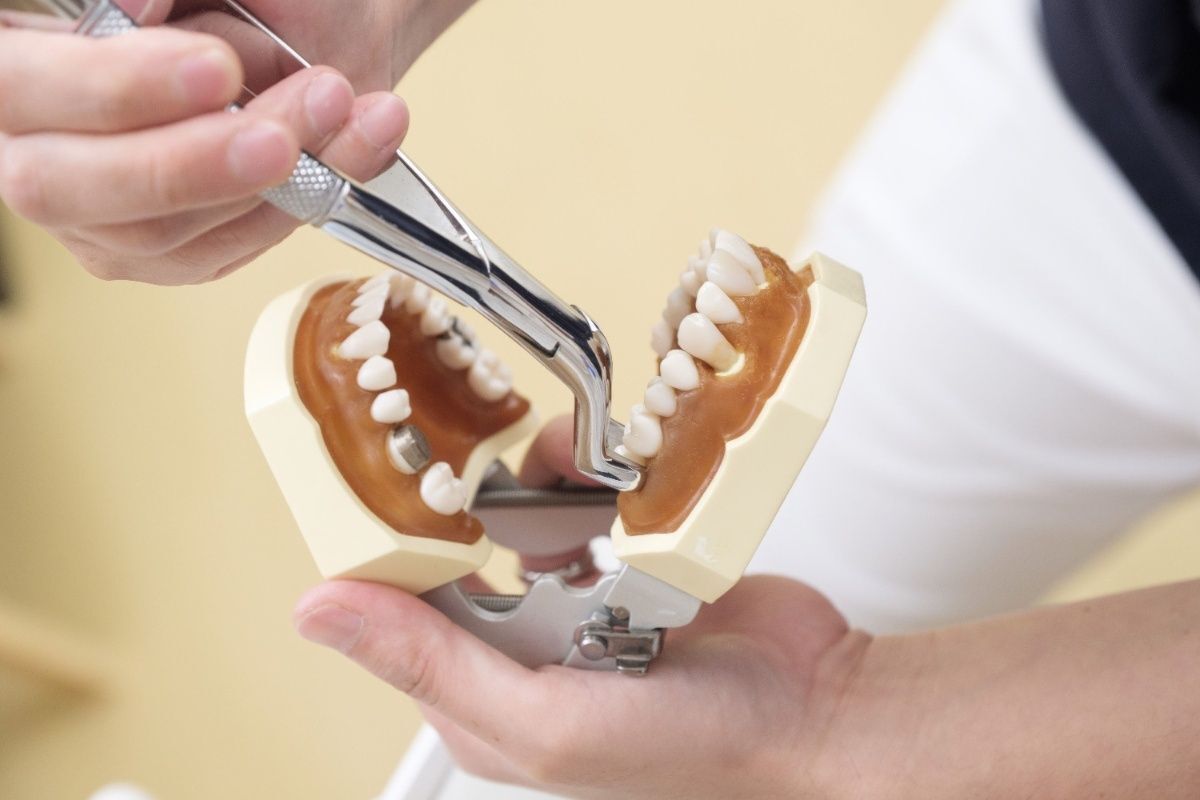
It often starts with a dull ache in the back of your mouth. By evening, the pain has become sharp, your jaw feels swollen, and even swallowing or opening your mouth is uncomfortable. If you’ve ever experienced severe wisdom tooth pain, you know how quickly it can disrupt your daily life. The question many people ask in this situation is: Can an emergency dentist remove a wisdom tooth, or do you need to see an oral surgeon?
The answer depends on the cause of the problem and the position of the wisdom tooth. In many cases, an emergency dentist can diagnose the issue, relieve pain, treat infection, and, if the tooth is suitable for removal, perform the extraction. However, impacted or surgically complex wisdom teeth may require referral to an oral and maxillofacial surgeon.
According to the American Association of Oral and Maxillofacial Surgeons (AAOMS), wisdom teeth—also called third molars—are among the most frequently extracted teeth because they often become impacted or fail to erupt properly. Studies estimate that approximately 90% of people have at least one impacted wisdom tooth, making third molar problems a common reason for emergency dental visits.
In this guide, you’ll learn when wisdom tooth pain becomes a dental emergency, whether an emergency dentist can perform the extraction, what to expect during treatment, and how prompt care can help prevent serious complications.
Why Do Wisdom Teeth Cause Problems?
Not every wisdom tooth requires removal.
However, problems develop when there is insufficient space for proper eruption.
Common issues include:
- Impacted teeth
- Gum infections
- Tooth decay
- Damage to neighboring teeth
- Food trapping
- Gum swelling
- Jaw pain
- Cyst formation (less commonly)
The National Institute of Dental and Craniofacial Research (NIDCR) notes that untreated dental infections can spread beyond the affected tooth, underscoring the importance of early treatment.
When Does Wisdom Tooth Pain Become a Dental Emergency?
Some discomfort while wisdom teeth erupt is normal.
However, certain symptoms require prompt evaluation.
Seek emergency dental care if you experience:
- Severe or worsening tooth pain
- Facial swelling
- Difficulty swallowing
- Difficulty opening your mouth
- Fever
- Persistent bleeding
- Pus or drainage around the tooth
- A bad taste in your mouth that won’t go away
- Swollen lymph nodes
- Pain that prevents eating or sleeping
These symptoms may indicate infection or another condition that requires immediate treatment.
Can an Emergency Dentist Remove a Wisdom Tooth?
Yes—in many cases.
Emergency dentists routinely evaluate wisdom tooth problems and may perform an extraction if:
- The tooth has fully erupted.
- The extraction is considered straightforward.
- The dentist determines that removal can be safely completed in the office.
Emergency dentists are trained to diagnose dental emergencies, relieve pain, and determine the most appropriate treatment.
If the wisdom tooth is deeply impacted, located near important nerves, or requires more complex surgery, the emergency dentist may refer you to an oral and maxillofacial surgeon.
When an Oral Surgeon May Be Needed
Some wisdom teeth require surgical removal rather than a simple extraction.
Examples include:
- Fully impacted teeth beneath bone
- Horizontally positioned wisdom teeth
- Teeth located close to the inferior alveolar nerve
- Complex root anatomy
- Multiple impacted wisdom teeth requiring sedation
- Extensive infection involving surrounding tissues
An emergency dentist will explain whether referral is recommended for your specific situation.
What Happens During an Emergency Dental Visit?
Your emergency appointment typically begins with determining the cause of your symptoms.
The dentist may:
- Review your medical history
- Discuss your symptoms
- Examine your teeth and gums
- Evaluate swelling
- Check your bite
- Take digital X-rays
Dental X-rays help determine:
- Tooth position
- Root shape
- Bone condition
- Infection
- Relationship to nearby nerves
- Whether extraction is appropriate
Accurate diagnosis is essential before deciding on treatment.
Conditions That May Mimic Wisdom Tooth Pain
Wisdom teeth don’t always cause pain near the back of the mouth.
Your dentist may also evaluate for:
- Tooth decay
- Gum abscess
- Cracked molars
- TMJ disorders
- Sinus-related pain (upper teeth)
- Pericoronitis
- Periodontal disease
Identifying the true cause ensures you receive the right treatment.
What Is Pericoronitis?
One of the most common wisdom tooth emergencies is pericoronitis.
This occurs when bacteria accumulate beneath a gum flap covering a partially erupted wisdom tooth.
Symptoms include:
- Swollen gums
- Pain while chewing
- Bad breath
- Difficulty opening the mouth
- Pus drainage
- Fever in severe cases
Pericoronitis often responds to cleaning, irrigation, medication when indicated, and, in many cases, eventual removal of the affected wisdom tooth.
Types of Wisdom Tooth Extraction
Treatment depends on how the tooth has erupted.
Simple Extraction
A simple extraction may be possible when:
- The tooth has fully erupted.
- It is easily accessible.
- The roots are uncomplicated.
- There is adequate room for removal.
Many emergency dentists perform these procedures.
Surgical Extraction
A surgical extraction is required when the tooth:
- Is impacted beneath the gums
- Is covered by bone
- Has curved or complex roots
- Requires sectioning into smaller pieces
Oral and maxillofacial surgeons commonly perform these procedures.
Pain Relief Before Extraction
If immediate extraction is not possible, the emergency dentist may focus on relieving pain and controlling infection.
Treatment may include:
- Cleaning around the wisdom tooth
- Irrigating infected tissue
- Prescribing medication when clinically appropriate
- Recommending warm saltwater rinses
- Providing temporary pain management
- Scheduling definitive treatment
Early intervention helps reduce discomfort and may prevent worsening infection.
Highlight the Importance of Prompt Care
Research demonstrates how common wisdom tooth problems are:
- Approximately 90% of adults have at least one impacted wisdom tooth, according to the AAOMS.
- Third molars are among the most frequently extracted teeth in the United States.
- Studies published in the Journal of Oral and Maxillofacial Surgery indicate that impacted wisdom teeth are associated with an increased risk of gum disease and cavities affecting adjacent second molars.
- The CDC emphasizes that untreated oral infections can significantly affect quality of life and overall health.
These findings reinforce the importance of seeking prompt evaluation when wisdom tooth pain becomes severe.
What Happens During an Emergency Wisdom Tooth Extraction?
If your emergency dentist in Carrollton determines that your wisdom tooth can be safely removed, they’ll first explain the procedure, discuss anesthesia options, and answer any questions you may have.
Although every patient is different, a typical extraction includes:
- Reviewing your medical history and X-rays.
- Numbing the treatment area with a local anesthetic.
- Loosening the tooth using specialized dental instruments.
- Removing the tooth carefully.
- Cleaning the extraction site.
- Placing stitches if necessary.
- Providing detailed aftercare instructions.
For surgically impacted wisdom teeth, your dentist or oral surgeon may make a small incision in the gum and, if necessary, remove a small amount of bone to access the tooth. In some cases, the tooth is divided into smaller sections to minimize trauma during removal.
What to Expect After Wisdom Tooth Extraction
Most patients experience temporary symptoms during the healing process.
Common postoperative symptoms include:
- Mild to moderate discomfort
- Swelling of the cheek or jaw
- Minor bleeding or oozing
- Jaw stiffness
- Difficulty chewing firm foods
Swelling peaks within 48 to 72 hours, then gradually improves.
According to the American Dental Association (ADA), following your dentist’s postoperative instructions is one of the most important factors in reducing complications and promoting healing.
Recovery Tips After Emergency Wisdom Tooth Removal
Proper aftercare can improve comfort and reduce the risk of complications.
Control Bleeding
Bite gently on the gauze provided by your dentist for the recommended duration.
Avoid:
- Spitting forcefully
- Drinking through a straw
- Vigorous rinsing during the first 24 hours
These activities can dislodge the blood clot and delay healing.
Reduce Swelling
During the first day, apply an ice pack to the outside of your face.
A common schedule is:
- 15–20 minutes on
- 15–20 minutes off
Cold therapy may help minimize swelling and improve comfort.
Eat Soft Foods
Choose foods that require minimal chewing during the first several days.
Good options include:
- Yogurt
- Applesauce
- Mashed potatoes
- Scrambled eggs
- Oatmeal
- Cottage cheese
- Smooth soups (cooled slightly)
- Smoothies eaten with a spoon rather than a straw
Gradually return to your normal diet as your dentist recommends.
Stay Hydrated
Drink plenty of water throughout the day.
Avoid:
- Alcohol
- Carbonated beverages if they cause discomfort
- Extremely hot drinks during the first day
Adequate hydration supports healing and overall health.
Take Medications as Directed
If your dentist prescribes pain medication or antibiotics, follow the instructions carefully.
Do not stop prescribed medications early without consulting your dental provider.
Possible Complications
Most wisdom tooth extractions heal without significant problems.
However, like any surgical procedure, complications can occur.
Potential complications include:
- Dry socket (alveolar osteitis)
- Infection
- Persistent bleeding
- Delayed healing
- Temporary numbness
- Swelling beyond the expected recovery period
Prompt follow-up with your dentist can help address these issues early.
What Is Dry Socket?
Dry socket occurs when the protective blood clot at the extraction site is lost before the underlying bone has healed.
Symptoms may include:
- Severe pain beginning several days after extraction
- Pain radiating toward the ear
- Bad breath
- An unpleasant taste in the mouth
The National Institute of Dental and Craniofacial Research (NIDCR) notes that following postoperative instructions—especially avoiding smoking and using straws during the initial healing period—can help reduce the risk of dry socket.
When Should You Call Your Emergency Dentist?
Contact your dentist immediately if you experience:
- Heavy bleeding that doesn’t improve
- Increasing swelling after the third day
- Fever or chills
- Difficulty breathing or swallowing
- Pus draining from the extraction site
- Severe pain not relieved by medication
- Persistent numbness
- A foul odor or taste that worsens
Early evaluation can help prevent more serious complications.
Can Wisdom Tooth Problems Be Prevented?
Not every wisdom tooth causes problems, but routine dental care allows your local Carrollton dentist to monitor their development.
Regular examinations and X-rays help identify:
- Impacted teeth
- Crowding
- Early decay
- Gum inflammation
- Bone changes
Detecting problems early may allow treatment before a painful emergency develops.
Tips for Maintaining Healthy Wisdom Teeth
Even if your wisdom teeth have erupted normally, maintaining good oral hygiene is essential.
Healthy habits include:
- Brushing twice daily with fluoride toothpaste
- Flossing every day
- Cleaning around partially erupted wisdom teeth carefully
- Attending routine dental checkups
- Limiting sugary foods and beverages
- Avoiding tobacco products
Preventive care helps reduce the risk of infection and tooth decay.
Common Myths About Emergency Wisdom Tooth Extractions
Myth 1: Every Wisdom Tooth Must Be Removed
Fact: Not all wisdom teeth require extraction. Healthy, fully erupted wisdom teeth that are functional and easy to clean may be monitored during regular dental visits.
Myth 2: An Emergency Dentist Can Remove Every Wisdom Tooth
Fact: Many emergency dentists perform straightforward extractions, but complex, impacted, or surgically challenging wisdom teeth are often referred to an oral and maxillofacial surgeon.
Myth 3: Severe Wisdom Tooth Pain Will Go Away on Its Own
Fact: Temporary improvement does not necessarily mean the underlying problem has resolved. Infections and impaction often require professional treatment.
Myth 4: Recovery Takes Several Months
Fact: Most patients resume many normal activities within a few days, although complete healing of the extraction site continues over several weeks.
Conclusion
An emergency dentist can often diagnose and treat wisdom tooth pain, provide immediate relief, and perform a simple wisdom tooth extraction when the tooth is fully erupted and the procedure is appropriate. For impacted or surgically complex third molars, referral to an oral and maxillofacial surgeon ensures you receive the specialized care needed for a safe and successful outcome.
Ignoring severe wisdom tooth pain can allow infections or other complications to worsen. If you experience persistent pain, swelling, difficulty opening your mouth, or signs of infection, seeking prompt emergency dental care is the best way to protect your oral health. With timely treatment, proper aftercare, and regular dental checkups, most patients recover well and can return to their normal routines with improved comfort and function.
Frequently Asked Questions
1. Can an emergency dentist remove an impacted wisdom tooth?
Some emergency dentists perform certain surgical extractions, but deeply impacted or complex wisdom teeth are often referred to an oral and maxillofacial surgeon for specialized treatment.
2. Should I go to the emergency room for wisdom tooth pain?
If you have severe facial swelling, difficulty breathing or swallowing, uncontrolled bleeding, or a rapidly spreading infection, seek emergency medical care immediately. For most wisdom tooth problems, an emergency dentist is the appropriate first point of contact.
3. How long does it take to recover from a wisdom tooth extraction?
Many patients begin feeling better within 3 to 7 days, while complete healing of the extraction site typically takes several weeks, depending on the complexity of the procedure.
4. Can infected wisdom teeth be removed immediately?
In many cases, yes. Depending on the severity of the infection and your overall health, your dentist may recommend immediate extraction or first control the infection before removing the tooth.
5. What foods should I eat after wisdom tooth removal?
Soft foods such as yogurt, mashed potatoes, oatmeal, scrambled eggs, applesauce, smoothies (without a straw), and soup are generally recommended during the initial recovery period.