Request an Appointment

Keep Your Whitening Results: What Your Dentist Won’t Tell You
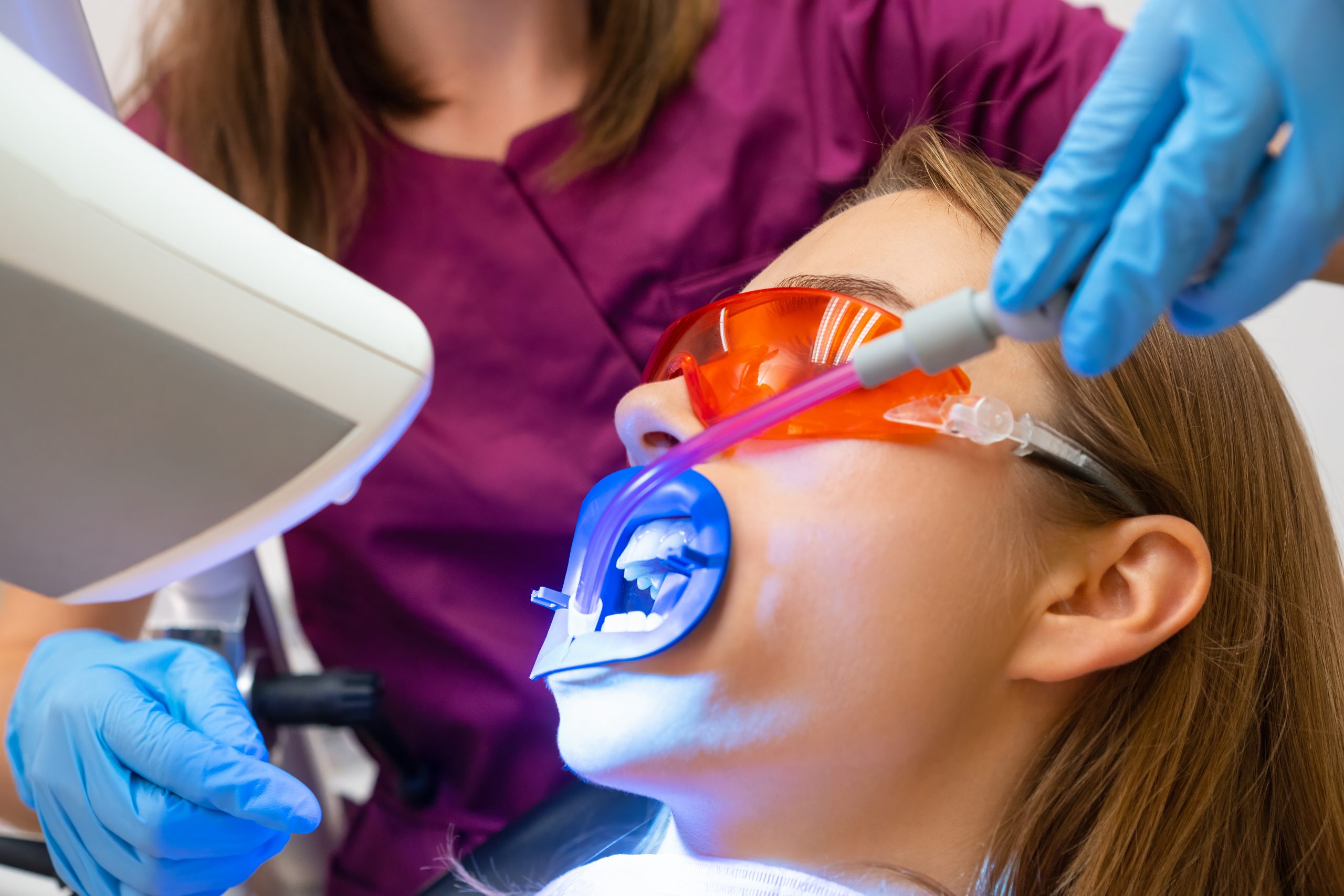
You invested time and money into a brighter smile. Now you want to keep it that way. Many patients in Carrollton, TX ask the same question after whitening treatment: How do I make these results last? This guide covers everything you need to keep your whitening results — what your dentist won’t always tell you in Carrollton during a busy appointment. From daily habits to smart product choices, we have you covered.
Why Whitening Results Fade Over Time
Teeth whitening in Carrollton is not permanent. The bleaching agents used during treatment temporarily open the pores of your enamel. This allows stains to lift and your teeth to brighten. However, those same pores can absorb new stains quickly after treatment.
Your enamel naturally re-mineralizes over the days following whitening. This is actually a good thing for tooth strength. But it also means your teeth are especially vulnerable to staining right after your appointment. Understanding this window is key to protecting your results.
Daily habits, diet choices, and oral hygiene all influence how long your smile stays bright. The good news is that small changes make a big difference. Patients who follow a simple maintenance routine can extend their results for months longer than those who do not.
The Post-Whitening Diet: What to Limit in Carrollton
The 48 hours after whitening are the most critical. Your enamel is most porous during this period. Anything that would stain a white shirt can stain your teeth. Dentists call this the white diet window.
Here are the top stain-causing foods and drinks to limit after whitening:
- Coffee and dark tea
- Red wine and dark sodas
- Tomato-based sauces and soy sauce
- Berries such as blueberries and blackberries
- Balsamic vinegar and dark condiments
- Curries and heavily pigmented spices
You do not need to eliminate these forever. Avoid them for the first two days. After that, rinse with water immediately after consuming staining foods or drinks. Using a straw with dark beverages also reduces contact with your enamel.
Acidic foods like citrus can weaken enamel and worsen staining. Limit lemon, vinegar, and acidic fruits right after treatment. Stick to white or light-colored foods like chicken, rice, bananas, and dairy products during the first two days.
Daily Habits That Help You Keep Your Whitening Results
Consistency is everything when it comes to maintaining a bright smile. Building a few simple habits into your routine will extend your results significantly. These tips apply whether you whitened in-office or with a take-home kit.
Here are daily habits that protect your whitening investment:
- Brush twice daily with a whitening toothpaste approved by your dentist
- Floss every day to remove plaque that traps stains between teeth
- Rinse with water after every meal or staining beverage
- Use a soft-bristled toothbrush to protect enamel while cleaning effectively
- Avoid smoking or tobacco — nicotine causes rapid yellowing
- Stay hydrated — saliva naturally cleans and protects enamel
Whitening toothpastes help remove surface stains gently. Look for products with mild abrasives and the American Dental Association seal. Avoid overly abrasive formulas that can wear down enamel over time.
Oil pulling and charcoal toothpaste are popular trends. However, the evidence supporting them is limited. Ask Dr. Kim Ly Nguyen at iO Dentistry Carrollton before adding these to your routine. Some products marketed as whitening can actually damage enamel.
Touch-Up Frequency: How Often Should You Whiten?
Even with perfect habits, your teeth will gradually re-stain. This is completely normal. The goal is to stay ahead of discoloration with periodic touch-ups rather than letting stains build up again.
Most patients benefit from a touch-up every three to six months. Your individual schedule depends on several factors. These include how quickly you stain, your diet, and whether you smoke or regularly drink coffee.
Take-home whitening trays provided by your dentist are ideal for touch-ups. They are custom-fitted to your teeth and use professional-grade gel. Over-the-counter strips can work for minor maintenance between professional visits. However, they are less effective on deep or stubborn stains.
In-office professional whitening delivers the fastest and most dramatic results. It is a great option for special events or when staining has progressed significantly. Talk to the team at iO Dentistry Carrollton about the right touch-up schedule for your lifestyle and smile goals.
Products That Help and Products to Avoid
Not all whitening products are created equal. Some deliver real results. Others can damage your teeth or irritate your gums. Knowing the difference saves you money and protects your oral health.
Products that help maintain whitening results:
- ADA-approved whitening toothpaste with low abrasion ratings
- Custom take-home trays with professional whitening gel
- Whitening mouthwash used as a supplement — not a replacement — for brushing
- Sensitivity toothpaste after treatment to manage post-whitening discomfort
Products to approach with caution:
- Activated charcoal toothpaste — can be overly abrasive
- DIY lemon or baking soda mixtures — can erode enamel
- Unbranded whitening kits with no ingredient transparency
If you are considering Dental Implants Carrollton in the future, keep in mind that implant crowns do not respond to whitening agents. It is best to whiten natural teeth first and match restorations to the new shade. This creates a seamless, natural appearance.
For patients maintaining overall oral health alongside whitening, Routine Dental Care Carrollton plays a critical role. Professional cleanings remove tartar and surface stains that home products cannot address. Regular checkups also catch any enamel concerns before they become bigger problems.
When to See Your Dentist for Whitening Support
Some staining resists standard whitening treatments. Intrinsic stains — those that form inside the tooth — do not respond to surface bleaching agents. These may require alternative cosmetic solutions, such as veneers or bonding.
If you notice uneven whitening, increased sensitivity, or rapid re-staining, schedule a visit. These signs may indicate an underlying issue that needs professional attention. Dr. Kim Ly Nguyen can assess your enamel health and recommend the safest path forward.
Sensitivity after whitening is common and usually temporary. Use a toothpaste formulated for sensitive teeth and avoid foods and drinks with extreme temperatures for a few days. If sensitivity lasts more than a week, contact your dental office promptly.
Staying consistent with your dental visits in Carrollton is the single best investment you can make for your smile. A clean, healthy mouth responds better to whitening and holds results longer. Our cosmetic dentist in Carrollton can also monitor your progress and adjust your maintenance plan as needed.
Conclusion: A Brighter Smile Starts With Consistent Care
Whitening is a powerful confidence boost — but the work does not stop after the appointment. Understanding how to keep your whitening results is what separates a temporarily bright smile from a lasting one. Small daily habits, smart food choices, and scheduled touch-ups all work together to protect your investment.
The team at iO Dentistry Carrollton is here to help you build a personalized whitening maintenance plan. Whether you need a touch-up kit, a professional cleaning, or guidance on the right products, Dr. Kim Ly Nguyen and the team are ready to support you. Book now to schedule your appointment.
Frequently Asked Questions
How long do professional teeth whitening results last?
With proper care, professional whitening results can last six months to two years. Results vary based on diet, oral hygiene, and lifestyle habits like smoking or coffee consumption. Regular touch-ups and good daily habits extend results significantly.
Can I whiten my teeth too often?
Yes, over-whitening can damage enamel and cause lasting tooth sensitivity. Most dentists recommend touch-ups every three to six months. Always follow your dental provider’s guidance rather than whitening on your own schedule.
Is whitening toothpaste enough to maintain my results?
Whitening toothpaste helps remove surface stains and slow re-staining between professional treatments. However, it does not replace professional whitening or regular dental cleanings. Use it as part of a broader maintenance routine for the best results.
What foods should I avoid right after whitening treatment?
Avoid dark-colored foods and drinks for at least 48 hours after treatment. This includes coffee, red wine, berries, soy sauce, and tomato-based sauces. Stick to light-colored foods and rinse with water after eating during this window.
Does teeth whitening work on dental crowns or veneers?
No, whitening agents only affect natural tooth enamel. Crowns, veneers, and dental bonding do not respond to bleaching treatments. If you have restorations, talk to your dentist about coordinating whitening with any cosmetic work to ensure a consistent smile.