Request an Appointment

Can Chewing Gum Cause Jaw Pain on One Side? Here’s the Truth
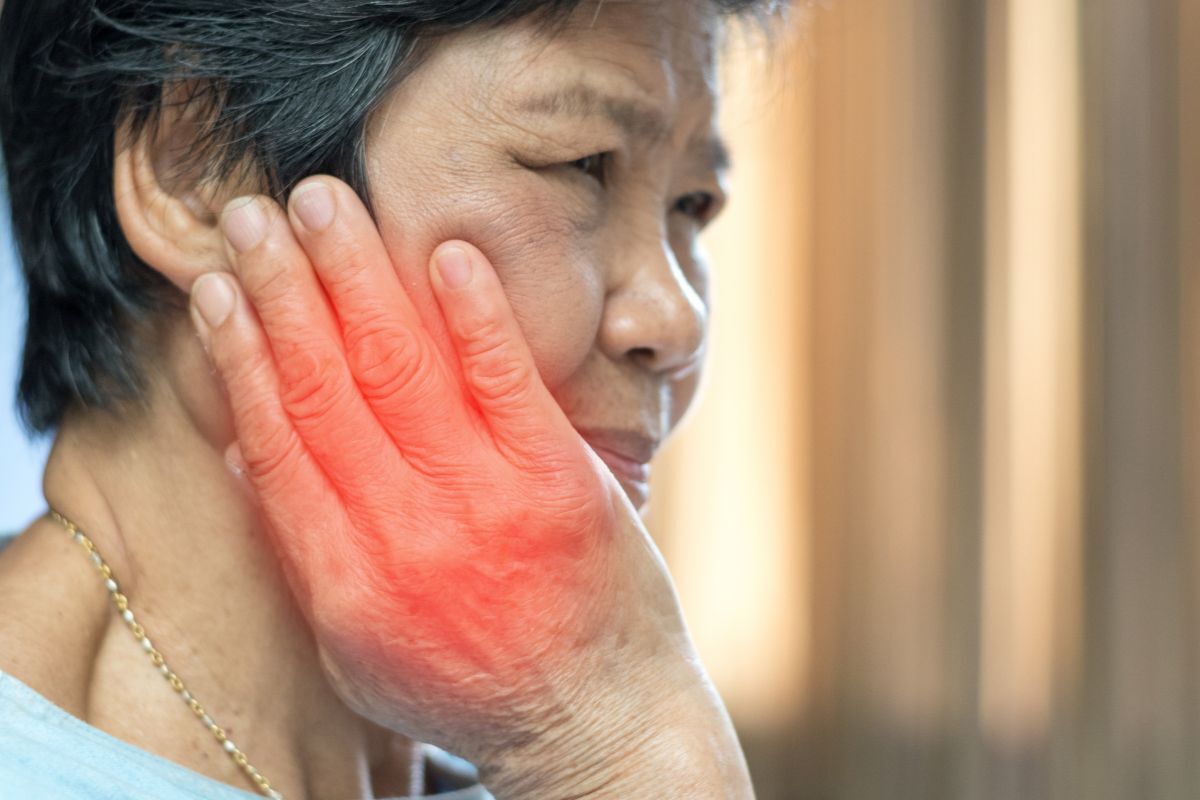
Ever enjoyed a stick of chewing gum, only to experience a nagging ache in your jaw? You are not alone. Many face jaw pain, particularly on one side, after chewing gum for a long time. But do you know who the real culprit is? Let’s dive into the truth and uncover why your favorite chewing habit is causing irritation and discomfort.
Understanding The Jaw Joint, Or TMJ
The temporomandibular joint, or TMJ, connects your jaw to the skull, working like a sliding hinge. This intricate joint allows you to chew, yawn, and speak. However, it is also prone to strain and overuse, mainly when subjected to constant motions like chewing gum. If you’re experiencing TMJ discomfort, a trusted dentist in Carrollton at iO Dentistry can help identify the cause and provide effective treatment options.
Why One-Side Jaw Pain- The Reason Behind Imbalance Factor
- Overworking One Side
Many people unconsciously use one side of their mouth when they chew. This uneven distribution of force puts an extra strain on the TMJ on that particular side. This persistent stress leads to inflammation and pain, especially when one side is overworking.
- Existing TMJ Disorders
Individuals who have pre-existing TMJ issues are prone to face pain from chewing gum. The added stress from chewing puts pressure on the underlying issue, resulting in noticeable pain on the compromised side.
- Muscle Fatigue
Chewing gum can stress the jaw muscles, especially for an extended period. When one side of the jaw is weak or more prone to fatigue, the pressure becomes more pronounced, leading to localized pain.
- Malocclusion or Misaligned Bite
A misaligned bite can cause uneven pressure distribution when chewing gum. This uneven pressure means that one side of the jaw will work harder than the other, further leading to pain.
- Bruxism or Teeth Grinding
People who grind their teeth, especially during sleep, might already have strained their jaw muscles. Adding chewing gum to the condition increases the pain.
The question is, “Can chewing gum cause jaw pain on one side?” Yes, it is possible. The repetitive chewing motion, mainly when done unevenly, can significantly stress the TMJ and the surrounding muscles, leading to pain on the overworking side.
What Can Be Done To Reduce Pain On One Side Of Your Jaw?
- Limit Your Chewing Time
Reduce the duration you spend chewing gum.
- Chew Evenly
Try to distribute the chewing pressure evenly on both sides of your mouth.
- Opt for Sugar-Free Gum
Sugar-free gum is less likely to cause dental issues that can increase jaw pain.
- Practice Jaw Exercises
Gentle jaw exercises help strengthen and relax TMJ muscles.
- Seek Professional Help
If you are facing persistent jaw pain, consult your dentist. They will diagnose the underlying cause and recommend the best treatment.
- Reduce Stress
Stress can increase TMJ disorders.
Chewing gum, seemingly harmless, can cause jaw pain, mainly on one side, due to the repetitive strain it puts on the TMJ. Understanding the factors contributing to pain is crucial to preventing and managing it. At iO Dentistry, we understand the complexities of jaw pain and TMJ disorders. If you are struggling with jaw pain after chewing gum, schedule an appointment with us today.