Request an Appointment

Is Sleeping with Dentures Bad For Your Health?
Have you ever been so tired that you forgot to remove your dentures before going to bed? Or maybe you’ve wondered whether sleeping with dentures is really a big deal if they feel comfortable. You’re not alone. Many denture wearers occasionally leave their dentures in overnight, especially after a long day or when traveling.
While it may seem harmless, regularly sleeping with dentures can increase your risk of oral health problems, including gum irritation, fungal infections, bad breath, and even pneumonia in certain high-risk individuals. Removing your dentures at night gives your gums and underlying tissues time to recover and allows you to clean and disinfect them properly.
According to the American College of Prosthodontists (ACP), approximately 36 million Americans are completely edentulous (missing all their natural teeth), and about 120 million people in the United States are missing at least one tooth. Millions rely on full or partial dentures every day, making proper denture care an important part of maintaining overall health.
Research also suggests that wearing dentures continuously—including while sleeping—may increase the risk of denture-related infections and other complications. Understanding why your dentist recommends removing dentures at night can help you protect both your oral and general health.
Why Do Dentists Recommend Removing Dentures at Night?
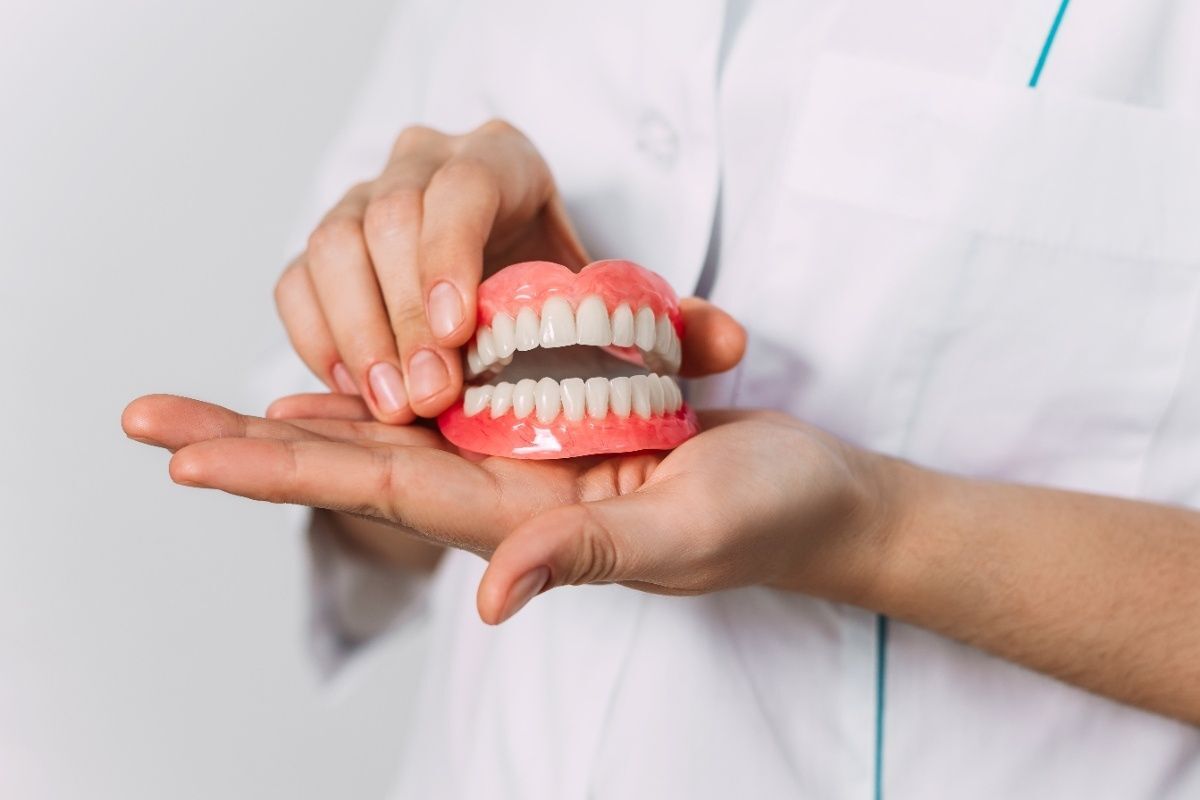
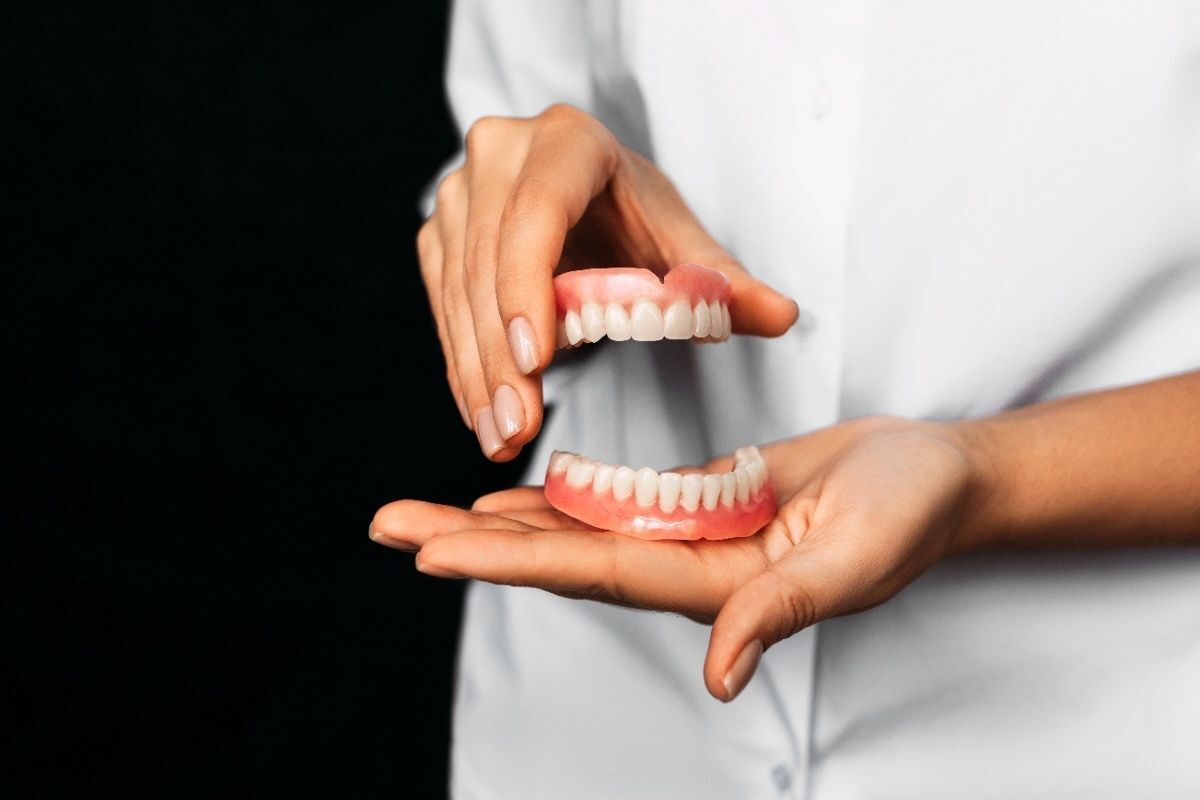
Dentures replace missing teeth, but they also cover the soft tissues of your mouth.
When dentures remain in place 24 hours a day, the gums have little opportunity to recover from the constant pressure they experience during eating and speaking.
Removing dentures before bedtime helps:
- Improve blood circulation to oral tissues
- Reduce bacterial buildup
- Lower the risk of fungal infections
- Prevent irritation and sore spots
- Extend the lifespan of your dentures
Most dental professionals recommend removing dentures for at least six to eight hours each day, typically while sleeping.
Is It Dangerous to Sleep with Dentures?
Occasionally falling asleep with your dentures is unlikely to cause permanent harm. However, making it a nightly habit may increase your risk of several oral and overall health problems.
Let’s look at the most common concerns.
1. Higher Risk of Denture Stomatitis
One of the most common complications is denture stomatitis, an inflammation of the tissue beneath the denture.
Symptoms may include:
- Redness
- Swelling
- Burning sensation
- Tender gums
- Small red spots
Denture stomatitis is often associated with the overgrowth of Candida albicans, a naturally occurring fungus.
Studies published in the Journal of Prosthetic Dentistry report that denture stomatitis affects 15% to 70% of denture wearers, depending on age, oral hygiene, overall health, and denture care habits. Overnight denture wear is a major risk factor.
2. Increased Growth of Bacteria and Fungi
Dentures in Carrollton create a warm, moist environment that can encourage the growth of bacteria and yeast if they are not removed and cleaned regularly.
Without nightly cleaning:
- Plaque accumulates on the denture surface.
- Harmful microorganisms multiply.
- Bad breath becomes more likely.
- Gum irritation can worsen.
Daily cleaning and overnight soaking help reduce microbial buildup.
3. Greater Risk of Pneumonia in Older Adults
One of the most significant health concerns involves aspiration pneumonia.
Research published in the Journal of Dental Research found that older adults who routinely slept with their dentures had a significantly higher risk of developing pneumonia than those who removed them at night.
The proposed reason is that bacteria accumulating on dentures may be inhaled into the lungs during sleep, particularly in elderly individuals or those with weakened immune systems.
Although this complication is uncommon in healthy adults, it highlights why proper denture hygiene is especially important for seniors.
4. Gum Irritation and Pressure Sores
Your gums support your dentures throughout the day.
Continuous wear may lead to:
- Sore spots
- Inflamed tissue
- Pressure ulcers
- Tender gums
- Difficulty wearing dentures comfortably
Removing dentures overnight allows the tissues to recover and reduces ongoing pressure.
5. Faster Bone and Tissue Changes
After tooth loss, the jawbone naturally changes over time because it no longer receives stimulation from tooth roots.
Ill-fitting dentures worn continuously may increase pressure on the underlying bone and soft tissues, contributing to discomfort and changes in denture fit. Regular dental checkups allow your dentist to evaluate these changes and determine whether adjustments or relines are needed.
6. Bad Breath (Halitosis)
Food particles, plaque, and bacteria trapped beneath dentures can contribute to persistent bad breath.
Sleeping with unclean dentures gives bacteria additional hours to multiply.
Removing, brushing, and soaking your dentures every night helps reduce odor-causing bacteria and keeps your mouth feeling fresher.
7. Dry Mouth
Some denture wearers experience dry mouth, particularly older adults taking multiple medications.
Reduced saliva can increase:
- Oral irritation
- Fungal growth
- Difficulty speaking
- Denture discomfort
Removing dentures overnight may improve comfort and allow saliva to protect oral tissues better.
What Happens to Your Mouth While You Sleep?
During sleep:
- Saliva production decreases.
- The mouth becomes drier.
- Bacteria multiply more easily.
- Oral tissues receive less natural cleansing.
If dentures remain in place overnight, plaque and microorganisms have more opportunity to accumulate on both the dentures and the underlying tissues.
This is one reason dentists emphasize both nightly removal and proper cleaning.
Who Is Most at Risk?
Sleeping with dentures poses a greater risk for certain individuals, including:
- Adults over age 65
- People with diabetes
- Individuals with weakened immune systems
- Smokers
- Patients with dry mouth
- Nursing home residents
- Anyone with poor denture hygiene
These individuals may be more susceptible to infections and should follow their dentist’s recommendations closely.
That Highlights the Importance of Proper Denture Care
Preventive denture care is supported by clinical research and national oral health data.
Some key statistics include:
- Approximately 36 million Americans have no natural teeth (American College of Prosthodontists).
- Around 120 million Americans are missing at least one tooth (ACP).
- Denture stomatitis affects an estimated 15%–70% of denture wearers, depending on risk factors and oral hygiene.
- Studies have linked overnight denture wear with an increased risk of pneumonia in older adults.
- The Centers for Disease Control and Prevention (CDC) recommends maintaining good oral hygiene throughout life, including proper cleaning of removable dental appliances.
These findings reinforce that denture hygiene is about more than comfort—it also plays an important role in protecting overall health.
Benefits of Removing Dentures Every Night
Taking your dentures out before bed is one of the simplest ways to protect your oral health. Giving your gums and jaw a break each night helps reduce irritation and allows the soft tissues in your mouth to recover from the pressure of wearing dentures throughout the day.
Some of the biggest benefits include:
- Reduced risk of fungal and bacterial infections
- Healthier gums with improved blood circulation
- Lower chance of denture stomatitis
- Fresher breath
- Improved comfort when wearing dentures the next day
- Longer-lasting dentures due to proper cleaning and maintenance
Making denture removal part of your nightly routine can help prevent many common denture-related complications.
How to Clean Your Dentures Properly
Proper cleaning removes food particles, plaque, and microorganisms that build up throughout the day.
Step 1: Remove Your Dentures Carefully
Always remove your dentures over a folded towel or a partially filled sink. This helps prevent accidental damage if they are dropped.
Step 2: Rinse Away Food Debris
Rinse your dentures under cool or lukewarm running water to remove loose food particles.
Avoid using hot water, which may warp the denture material.
Step 3: Brush Your Dentures
Use a soft denture brush or a soft-bristled toothbrush designed for dentures.
Clean all surfaces, including:
- The teeth
- The gum-colored base
- Areas that contact your gums
Use a denture cleanser or a cleaner recommended by your dentist. Regular toothpaste can be too abrasive for many denture materials and may create tiny scratches where bacteria can accumulate.
Step 4: Soak Overnight
Many dentures should remain moist when not in use.
Soak them overnight in:
- A denture-cleaning solution, or
- Plain water, if recommended by your dentist
Always follow the manufacturer’s instructions and ask your local Carrollton dentist which soaking solution is appropriate for your specific dentures.
Step 5: Clean Your Mouth
Even if you wear full dentures, your mouth still needs daily care.
Before going to bed:
- Brush your gums gently.
- Clean your tongue.
- Brush the roof of your mouth.
- If you have partial dentures, brush and floss your remaining natural teeth.
This helps reduce bacteria and keeps your oral tissues healthy.
How Should You Store Dentures Overnight?
Improper storage can shorten the life of your dentures.
Keep these tips in mind:
- Store dentures in a clean denture container.
- Keep them moist to help prevent warping, if recommended for your denture material.
- Replace the soaking solution daily.
- Keep dentures away from children and pets.
- Rinse thoroughly before placing them back into your mouth.
Never wrap dentures in a tissue, where they may be accidentally thrown away.
Are There Any Exceptions?
There are situations where your dentist may recommend wearing dentures overnight temporarily.
For example:
- Immediately after receiving new dentures, your dentist may ask you to wear them continuously for the first 24 hours to identify pressure spots during your follow-up visit.
- After certain oral surgeries, temporary instructions may differ based on your treatment plan.
These are short-term exceptions. Once healing progresses, most patients are advised to return to removing their dentures while sleeping unless instructed otherwise.
Always follow your dentist’s specific recommendations.
When Should You See Your Dentist?
Routine dental visits remain important even if you no longer have natural teeth.
Schedule an appointment if you notice:
- Persistent sore spots
- Dentures that feel loose
- Difficulty chewing
- Clicking while speaking
- Cracked or broken dentures
- White or red patches under your dentures
- Bleeding gums
- Persistent bad breath despite cleaning
- Pain while wearing dentures
Regular evaluations allow your dentist to adjust, reline, or replace dentures before they cause significant problems.
The American Dental Association (ADA) recommends maintaining regular dental visits throughout life, including for patients who wear full dentures.
Tips for Keeping Your Dentures and Mouth Healthy
In addition to removing your dentures every night, these habits support long-term oral health:
- Brush dentures every day.
- Clean your gums, tongue, and palate daily.
- Stay hydrated to reduce dry mouth.
- Limit sugary foods and beverages.
- Avoid tobacco products, which increase the risk of oral infections and oral cancer.
- Visit your dentist regularly for examinations and denture evaluations.
- Replace worn or damaged dentures when recommended.
Good oral hygiene benefits not only your smile but also your overall health.
Common Myths About Sleeping with Dentures
Myth 1: Wearing Dentures All the Time Helps You Get Used to Them
Fact: While your dentist may recommend continuous wear for a short period after you receive new dentures, long-term overnight wear can increase the risk of irritation and infection.
Myth 2: Dentures Don’t Need Daily Cleaning
Fact: Dentures collect plaque, bacteria, and food debris just like natural teeth. Daily cleaning is essential to maintain oral health.
Myth 3: Sleeping with Dentures Is Harmless
Fact: Research has linked regular overnight denture wear with a higher risk of denture stomatitis and, in some older adults, aspiration pneumonia.
Myth 4: If My Dentures Feel Comfortable, I Don’t Need Dental Checkups
Fact: Your gums and jawbone continue to change over time. Routine dental visits help ensure your dentures continue to fit properly and allow your dentist to screen for oral diseases.
Conclusion
Sleeping with dentures occasionally may not cause immediate harm, but making it a nightly habit can increase your risk of oral health problems, including denture stomatitis, gum irritation, bad breath, and fungal infections. Research also suggests that overnight denture wear may raise the risk of aspiration pneumonia in certain older adults and individuals with underlying health conditions.
The healthiest approach is to remove your dentures each night, clean them thoroughly, and store them according to your dentist’s instructions. This simple routine gives your gums time to recover, reduces harmful bacterial buildup, and helps keep your dentures in good condition.
If your dentures feel loose, cause discomfort, or you’ve developed sore spots or persistent bad breath, don’t ignore the problem. Schedule an appointment with your local dentist for an evaluation. Regular dental checkups and proper denture care can help you maintain a comfortable fit, protect your oral health, and enjoy your dentures for years to come.
Frequently Asked Questions
1. Is it okay to sleep with dentures once in a while?
Occasionally falling asleep with your dentures is unlikely to cause lasting harm. However, routinely sleeping with dentures is not recommended because it increases the risk of infections, gum irritation, and other oral health problems.
2. Why should dentures be removed at night?
Removing dentures allows your gums to rest, improves blood circulation to the oral tissues, reduces bacterial and fungal growth, and helps prevent denture-related infections.
3. What happens if I never take my dentures out?
Continuous denture wear can contribute to denture stomatitis, sore gums, bad breath, poor denture fit over time, and a higher risk of oral infections.
4. How long should dentures stay out each day?
Many dentists recommend removing dentures for at least six to eight hours daily, typically while sleeping, to allow the oral tissues to recover.
5. How often should dentures be professionally checked?
Even if you have full dentures, it’s generally recommended to visit your dentist at least once a year—or more often if advised—to evaluate the fit of your dentures, examine your oral tissues, and screen for potential problems.