Request an Appointment

How Do Tooth-Colored Crowns Improve Your Smile?
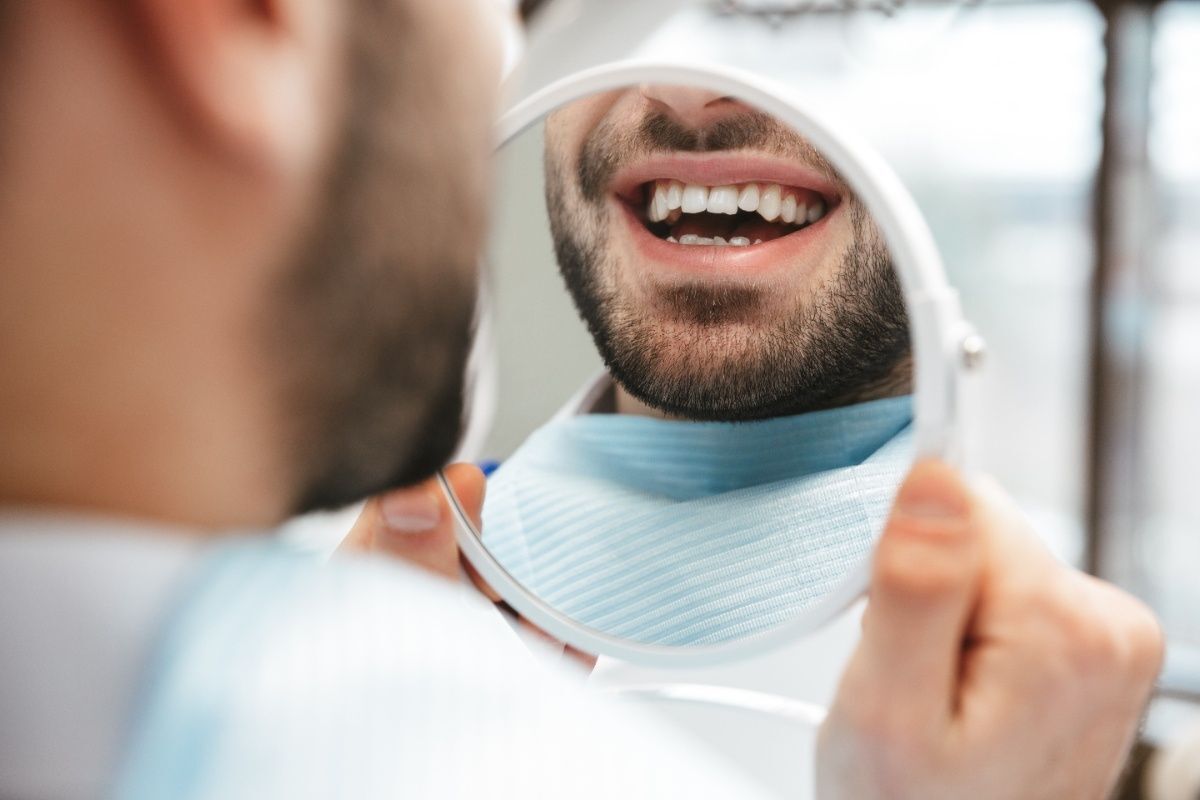
Have you ever avoided smiling because of a cracked, discolored, or heavily filled tooth? Even a single damaged tooth can affect your confidence, chewing ability, and overall oral health. Fortunately, modern dentistry offers a solution that restores both appearance and function: tooth-colored dental crowns.
Unlike traditional metal crowns, today’s ceramic and porcelain crowns closely mimic the color, shape, and translucency of natural teeth. Whether you need to repair a tooth after a large cavity, strengthen a tooth after a root canal, or improve your smile’s appearance, tooth-colored crowns provide a durable, aesthetically pleasing restoration.
According to the American College of Prosthodontists (ACP), approximately 120 million Americans are missing at least one tooth. At the same time, millions more have damaged or weakened teeth that require restorative treatment rather than extraction. Research published in the Journal of Prosthetic Dentistry shows that all-ceramic crowns have excellent long-term clinical performance, with survival rates exceeding 90% after 10 years in many cases. The American Dental Association (ADA) also recognizes dental crowns as a reliable treatment for restoring teeth that cannot be adequately repaired with fillings alone.
In this guide, you’ll learn how tooth-colored crowns improve your smile, when they are recommended, their benefits, expected lifespan, and how proper care can help them last for many years.
What Is a Tooth-Colored Crown?
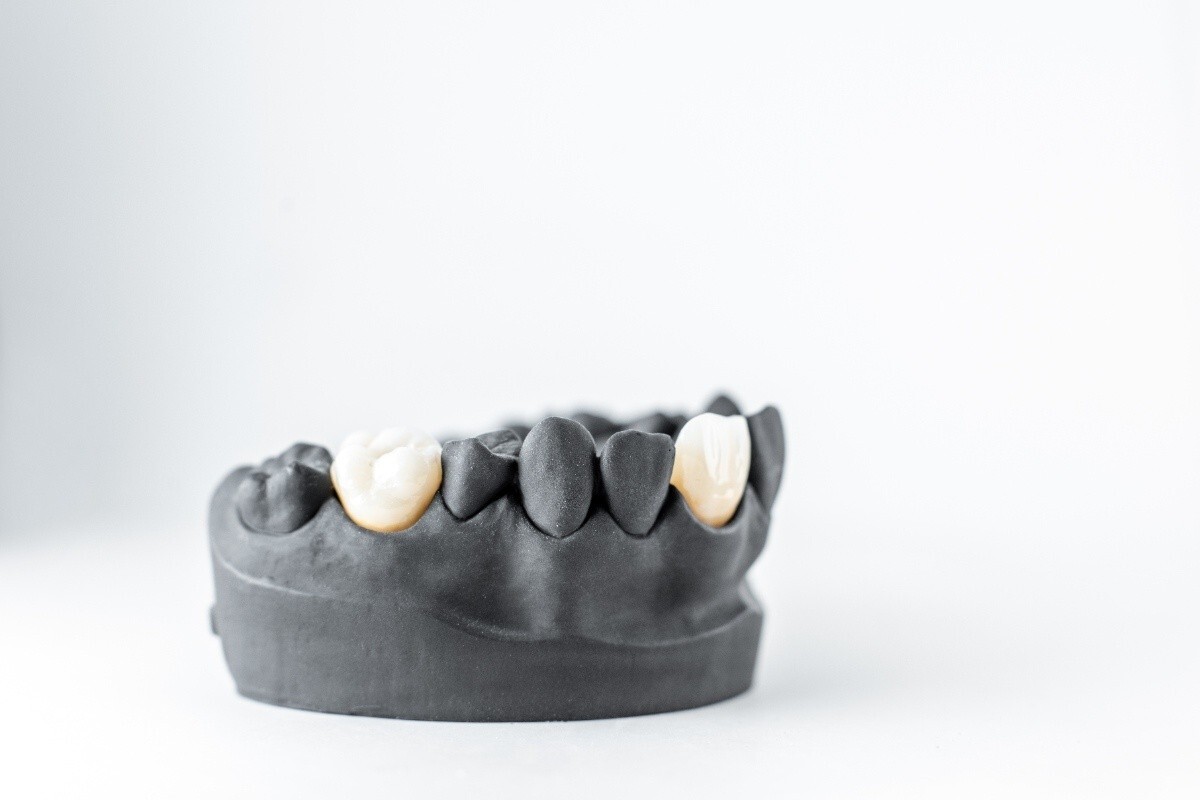
A tooth-colored crown is a custom-made restoration that completely covers the visible portion of a damaged tooth.
Common materials include:
- Porcelain
- Zirconia
- Lithium disilicate (e.max®)
- Porcelain-fused-to-zirconia
These materials are selected because they combine strength with natural-looking aesthetics.
Unlike metal crowns, tooth-colored crowns are designed to blend seamlessly with surrounding teeth.
When Is a Tooth-Colored Crown Needed?
Your dentist may recommend a crown for:
- Large cavities
- Cracked teeth
- Fractured teeth
- Worn teeth
- Teeth after root canal treatment
- Broken fillings
- Cosmetic smile enhancement
- Misshapen teeth
Dental Crowns restore both strength and appearance when fillings alone cannot provide adequate support.
Dental Crown Statistics
Modern crowns have become one of the most predictable restorative treatments.
Key statistics include:
- According to the American Dental Association (ADA), dental crowns are commonly recommended for teeth weakened by large fillings, fractures, or root canal treatment.
- Clinical studies published in the Journal of Prosthetic Dentistry report 10-year survival rates above 90% for many ceramic crown systems when properly maintained.
- Research in the Journal of Dentistry shows that modern zirconia crowns demonstrate excellent fracture resistance and long-term durability.
- The American College of Prosthodontists (ACP) emphasizes that restoring damaged teeth helps preserve oral function and reduces the need for extraction.
- Studies indicate that patients consistently report high satisfaction with the appearance of all-ceramic crowns because of their natural translucency and color matching.
How Tooth-Colored Crowns Improve Your Smile
1. Natural Appearance
One of the biggest advantages is their natural appearance.
Modern ceramics closely resemble natural enamel by reflecting light similarly to healthy teeth.
Your dentist carefully selects a shade that matches your surrounding teeth.
The result is a restoration that often blends so well that others cannot distinguish it from your natural tooth.
2. Restores Tooth Shape
Large cavities or fractures may alter a tooth’s appearance.
A crown restores:
- Proper contours
- Tooth length
- Symmetry
- Natural proportions
This contributes to a more balanced smile.
3. Improves Tooth Color
Crowns permanently cover:
- Dark stains
- Internal discoloration
- Old restorations
- Severely stained teeth that whitening cannot improve
Unlike whitening treatments, crowns provide complete color correction for the treated tooth.
4. Strengthens Weak Teeth
Damaged teeth become more susceptible to fractures.
A crown reinforces the remaining tooth structure, allowing patients to chew more comfortably while protecting the tooth from further damage.
5. Restores Chewing Function
Missing or weakened tooth structure can make eating difficult.
Crowns help restore:
- Bite strength
- Chewing efficiency
- Tooth stability
Patients often find it easier to eat a wider variety of foods after treatment.
6. Supports Long-Term Oral Health
Saving a damaged natural tooth is generally preferable to extraction.
Preserving the tooth helps:
- Maintain proper bite alignment
- Prevent neighboring teeth from shifting
- Preserve normal chewing patterns
Types of Tooth-Colored Crowns
Porcelain Crowns
Known for exceptional aesthetics.
Ideal for front teeth where appearance is especially important.
Zirconia Crowns
Offer outstanding durability.
Often recommended for molars because they withstand heavy chewing forces.
Lithium Disilicate (e.max®)
Combines excellent strength with highly natural translucency.
Frequently used for both front and back teeth.
What Happens During Crown Treatment?
Treatment generally involves two appointments.
First Visit
Your dentist:
- Examines the tooth
- Removes damaged tissue
- Shapes the tooth
- Takes digital scans or impressions
- Places a temporary crown
Second Visit
The permanent crown is:
- Checked for fit
- Color matched
- Cemented into place
- Polished
Many practices also offer same-day crowns using CAD/CAM technology for selected cases.
How Long Do Tooth-Colored Crowns Last?
The lifespan depends on:
- Oral hygiene
- Bite forces
- Material selection
- Regular dental care
Most ceramic crowns last 10–15 years or longer, and many remain functional for 20 years or more with proper maintenance.
Caring for Your Dental Crown
Protect your investment by:
- Brushing twice daily with fluoride toothpaste.
- Flossing carefully around the crown.
- Avoiding chewing ice or hard objects.
- Wearing a nightguard if you grind your teeth.
- Visiting your dentist every six months.
Good home care significantly improves crown longevity.
Are Tooth-Colored Crowns Better Than Metal Crowns?
For many patients, tooth-colored crowns offer several advantages.
They provide:
- Natural aesthetics
- Metal-free restoration
- Excellent durability
- Improved light reflection
- Better cosmetic results
Metal crowns may still be appropriate in selected situations, particularly when aesthetics are less important or when specific clinical needs apply.
At iO Dentistry Carrollton, discussing these details with your family dentist in Carrollton will help determine the most suitable material for your case.
Common Myths About Tooth-Colored Crowns
Myth 1: Crowns Are Only Cosmetic
Fact: Crowns restore strength, protect damaged teeth, and improve function in addition to enhancing appearance.
Myth 2: Crowns Don’t Look Natural
Fact: Modern ceramic materials closely mimic the appearance of natural enamel.
Myth 3: Crowns Last Forever
Fact: Although highly durable, crowns eventually require replacement because of normal wear or changes in the surrounding tooth.
Regular dental examinations help detect problems early.
When Should You Consider a Crown?
Talk with your dentist if you have:
- A cracked tooth
- A broken filling
- Significant tooth wear
- A tooth after root canal treatment
- Severe discoloration
- A weakened tooth
- Difficulty chewing comfortably
Early treatment often prevents additional damage.
Conclusion
Tooth-colored crowns can do more than protect a damaged or weakened tooth. They can restore natural tooth shape, improve chewing function, and create a more consistent appearance with the surrounding teeth. Because each crown is designed to fit the individual tooth, treatment can provide both practical and cosmetic benefits.
If you are considering a dental crown, a professional evaluation can help determine whether this option is right for you. Schedule an appointment with Carrollton family Dentist Dr. Kim Ly Nguyen to discuss your dental concerns and learn how tooth-colored crowns may help restore your teeth and enhance your overall dental appearance.
Frequently Asked Questions
1. How long do tooth-colored crowns last?
Most tooth-colored crowns last between 10 and 15 years, and many remain functional for 20 years or longer with excellent oral hygiene and regular dental care.
2. Are tooth-colored crowns stronger than fillings?
Yes. Crowns cover the entire visible portion of the tooth, providing much greater protection for teeth with extensive damage or large restorations.
3. Will my crown look like a natural tooth?
Modern ceramic materials are designed to closely match the color, shape, and translucency of natural teeth, making them highly aesthetic restorations.
4. Does getting a dental crown hurt?
The procedure is performed under local anesthesia, so most patients experience little discomfort. Mild sensitivity afterward is common but typically resolves within a few days.
5. Can a crown improve both function and appearance?
Yes. Tooth-colored crowns strengthen weakened teeth, restore normal chewing ability, improve tooth shape and color, and create a more balanced, natural-looking smile.