Request an Appointment

Can You Eat with A Swallowed Dental Crown?
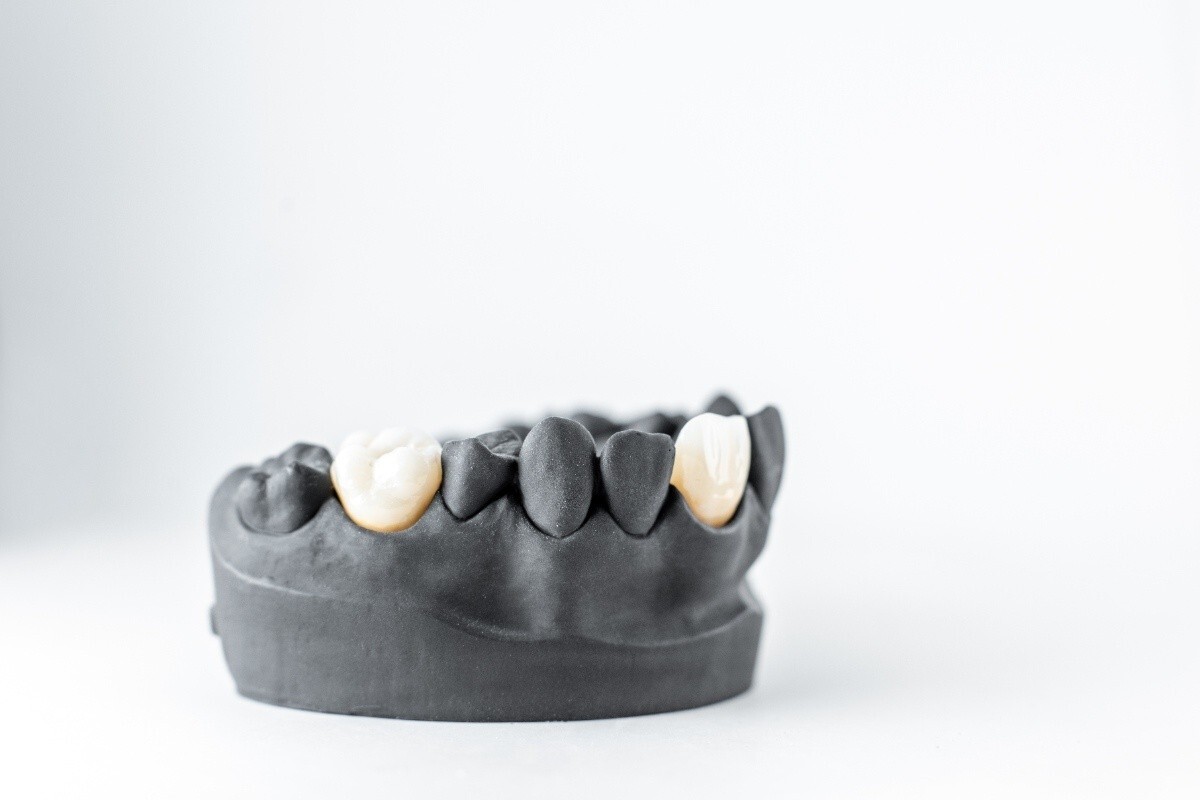
Imagine you’re enjoying dinner when you suddenly feel something hard come loose in your mouth. Before you can react, you accidentally swallow it. After a moment of surprise, you realize it was your dental crown. Your first thought is probably, “Is this dangerous?” The next question often follows quickly: “Can I still eat until I see my dentist?”
Accidentally swallowing a dental crown is more common than many people realize. Although it can be alarming, most swallowed crowns pass safely through the digestive tract without causing complications. However, the missing crown leaves your tooth exposed and vulnerable to damage, sensitivity, and further decay. Knowing what to do—and what not to do—can help you avoid additional dental problems while waiting for treatment.
According to the American College of Prosthodontists (ACP), more than 120 million Americans are missing at least one tooth. Millions rely on crowns, bridges, implants, and other restorations to restore function and appearance. Dental crowns are among the most common restorative procedures performed in the United States, making accidental crown loss a situation many dentists encounter.
In this guide, you’ll learn whether it’s safe to eat after swallowing a dental crown, when you should seek emergency medical or dental care, and how a local dentist can restore your smile as quickly as possible.
What Happens If You Swallow a Dental Crown?
Swallowing a dental crown can be unsettling, but in most cases it is not a medical emergency.
Once swallowed, the crown typically travels through the esophagus, stomach, and intestines before passing naturally in the stool over the next several days.
According to guidance from the American Society for Gastrointestinal Endoscopy (ASGE), most small, blunt objects that reach the stomach pass through the digestive system without intervention.
However, you should contact a healthcare professional immediately if you experience:
- Difficulty swallowing
- Persistent chest pain
- Severe abdominal pain
- Vomiting
- Blood in the stool
- Difficulty breathing
These symptoms could indicate that the object has become lodged or caused an injury.
Can You Eat After Swallowing a Dental Crown?
The answer depends on which tooth lost the crown and whether the underlying tooth is damaged.
In many cases, you can eat soft foods until your dental appointment, but you should avoid chewing on the affected side of your mouth.
Without the crown, the exposed tooth is much more vulnerable to:
- Cracks
- Tooth sensitivity
- Additional decay
- Bacterial contamination
- Pain while chewing
Eating normally may also cause the remaining tooth structure to fracture, making restoration more difficult.
Foods You Can Eat
If your dentist cannot see you immediately, choose foods that require minimal chewing.
Good choices include:
- Yogurt
- Applesauce
- Scrambled eggs
- Mashed potatoes
- Oatmeal
- Smooth soups
- Cottage cheese
- Soft pasta
- Rice
- Bananas
- Smoothies (avoid using a straw if advised after certain dental procedures)
These foods reduce pressure on the exposed tooth.
Foods to Avoid
Until your dentist replaces the crown, avoid foods that may damage the tooth.
These include:
- Hard candy
- Ice
- Nuts
- Popcorn kernels
- Raw carrots
- Tough meats
- Sticky caramel
- Chewing gum
- Very hot foods if the tooth is sensitive
- Extremely cold beverages if sensitivity is present
Chewing on the opposite side of your mouth may help reduce discomfort.
Why You Shouldn’t Wait Too Long
Although swallowing the crown itself is usually not dangerous, leaving the tooth uncovered for an extended period can create serious dental problems.
The prepared tooth underneath the crown is intentionally reshaped.
Without protection, it is more susceptible to:
Tooth Fracture
The remaining tooth structure may not withstand normal chewing forces.
Even a small crack could require additional treatment or, in severe cases, tooth extraction.
Increased Sensitivity
Many patients notice sensitivity to:
- Cold drinks
- Hot beverages
- Sweet foods
- Air exposure
This occurs because the underlying dentin is less protected.
Bacterial Decay
Plaque and bacteria can accumulate around the exposed tooth.
If treatment is delayed, decay may develop beneath the surface, potentially leading to:
- Large cavities
- Root canal treatment
- Tooth loss
The Centers for Disease Control and Prevention (CDC) reports that nearly 90% of U.S. adults have experienced tooth decay, emphasizing the importance of protecting exposed teeth from bacterial damage.
Why Do Dental Crowns Fall Off?
Dental crowns in Carrollton are designed to last for many years, but they can become loose for several reasons.
Common causes include:
- Worn Dental Cement: Over time, the cement securing the crown may gradually weaken.
- Tooth Decay: Decay beneath the crown can compromise its fit and cause it to loosen.
- Trauma: Accidents, sports injuries, or biting into unexpectedly hard foods may dislodge a crown.
- Teeth Grinding (Bruxism): Chronic grinding places significant stress on both natural teeth and restorations.
- The American Dental Association (ADA) recommends evaluation for patients with signs of nighttime grinding.
- Sticky Foods: Foods such as caramel, taffy, and chewing gum can occasionally pull loose crowns off prepared teeth.
Should You Try to Find the Crown?
Yes.
If it is safe to do so, try to determine whether the crown was swallowed or fell into your mouth.
If the crown is recovered and remains intact, your dentist may be able to recement it after cleaning and examining both the crown and the underlying tooth.
If you are certain you swallowed it, do not attempt to induce vomiting or retrieve it yourself.
When Is Swallowing a Crown a Medical Emergency?
Although uncommon, immediate medical attention is necessary if the crown enters the airway instead of the digestive tract.
Seek emergency medical care immediately if you develop:
- Choking
- Persistent coughing after swallowing
- Difficulty breathing
- Wheezing
- Chest pain
- Blue lips or face
Aspiration into the lungs requires urgent medical evaluation.
How a Dentist Will Evaluate the Tooth
During your emergency appointment, your dentist will typically:
- Examine the exposed tooth
- Evaluate the surrounding gums
- Take digital X-rays if needed
- Assess whether the crown can be replaced
- Check for fractures or decay
Depending on the condition of the tooth, treatment may include:
- Recementing the original crown
- Fabricating a new crown
- Building up the tooth with filling material
- Root canal treatment is used when the pulp has been damaged
Prompt treatment gives your dentist the best chance of preserving the natural tooth.
What Should You Do Immediately After Swallowing a Dental Crown?
If you’ve accidentally swallowed your dental crown, try to stay calm. In most cases, the crown will pass through your digestive system naturally without causing harm. Your next steps should focus on protecting the exposed tooth and determining whether you need urgent dental or medical care.
1. Check for Signs of a Medical Emergency
Although uncommon, a swallowed crown can enter the airway rather than the digestive tract. Call or seek emergency medical care immediately if you experience:
- Difficulty breathing
- Persistent coughing or choking
- Wheezing
- Chest pain
- Trouble swallowing saliva
- Blue lips or fingertips
These symptoms may indicate aspiration (the object entering the airway), which requires immediate medical attention.
2. Contact Your Dentist
Even if you feel fine, call your dentist as soon as possible.
Explain:
- Which tooth lost the crown
- Whether you swallowed it
- If you’re experiencing pain or sensitivity
- Whether the exposed tooth feels loose or broken
Many dental offices reserve same-day appointments for urgent situations involving lost crowns.
3. Protect the Exposed Tooth
Until your dentist sees you:
- Avoid chewing on the affected side.
- Choose soft foods.
- Brush gently around the exposed tooth.
- Floss carefully to keep the area clean.
- Avoid very hot, cold, or sugary foods if the tooth is sensitive.
The prepared tooth underneath a crown is often smaller and more vulnerable than a natural tooth.
Should You Use Temporary Dental Cement?
Many pharmacies sell temporary dental cement designed to help secure a loose crown until you can visit your local Carrollton dentist.
However, only use temporary dental cement if:
- You still have the crown.
- The crown fits properly.
- Your dentist has advised that temporary recementing is appropriate.
Do not attempt to glue a crown back in place using:
- Super glue
- Household adhesives
- Craft glue
- Epoxy
- Any non-dental product
These substances can damage your tooth, irritate oral tissues, and make professional treatment more difficult.
If the crown has been swallowed, temporary cement is not an option because the restoration is no longer available.
How Will Your Dentist Replace the Missing Crown?
The treatment depends on the condition of the exposed tooth.
Recementing the Original Crown
If the crown was recovered before being swallowed and remains in good condition, your dentist may be able to clean and recement it.
Creating a New Crown
If the original crown was swallowed or damaged, your dentist will likely recommend a replacement.
The process may include:
- Removing any remaining dental cement
- Examining the tooth for decay or fractures
- Taking digital scans or impressions
- Fabricating a custom crown
- Placing a temporary crown until the permanent one is ready
Many modern dental offices now use digital scanning technology to improve the accuracy and fit of new restorations.
Additional Treatment May Be Needed
If the exposed tooth has been damaged, your dentist may recommend:
- A core buildup
- Root canal therapy
- Crown lengthening
- Tooth extraction (if the tooth cannot be restored)
Early treatment generally offers the best chance of saving the tooth.
How Long Can You Wait Before Replacing a Lost Crown?
You should schedule a dental appointment as soon as possible—ideally within 24 to 48 hours.
Waiting too long increases the risk of:
- Tooth sensitivity
- Fractures
- Tooth movement
- Bacterial contamination
- Decay
- Changes in the tooth’s shape that may affect the fit of a new crown
Prompt care often results in simpler and less costly treatment.
Tips to Prevent Losing a Dental Crown
While crowns are durable, a few preventive habits can help extend their lifespan.
Maintain Excellent Oral Hygiene
Brush twice daily with fluoride toothpaste and floss every day.
According to the American Dental Association (ADA), good oral hygiene helps reduce the risk of decay developing around existing restorations.
Avoid Chewing Hard Objects
Do not chew:
- Ice
- Pens
- Popcorn kernels
- Hard candy
- Bottle caps
These habits increase the likelihood of damaging both crowns and natural teeth.
Be Careful with Sticky Foods
Foods such as:
- Caramel
- Taffy
- Chewing gum
May loosen crowns that already have weakened dental cement.
Wear a Night Guard if You Grind Your Teeth
Bruxism places tremendous pressure on crowns.
A custom-made night guard can help protect both your natural teeth and dental restorations.
Visit Your Dentist Regularly
Routine examinations allow your dentist to:
- Check crown stability
- Identify decay beneath restorations
- Replace worn dental cement
- Detect bite problems before damage occurs
Preventive care often helps patients avoid unexpected dental emergencies.
Why Choosing a Local Emergency Dentist Matters
If a crown comes off unexpectedly, having an established relationship with a local dental office can make treatment faster and more convenient.
A trusted local dentist can:
- Offer same-day emergency appointments when available
- Access your previous dental records and X-rays
- Determine whether the tooth can be restored
- Provide temporary protection for the exposed tooth
- Create a replacement crown if needed
Quick treatment helps protect your tooth and reduces the likelihood of additional complications.
Common Myths About Swallowed Dental Crowns
Myth 1: A Swallowed Crown Always Requires Surgery
Fact: Most swallowed crowns pass through the digestive tract naturally without requiring surgical removal.
Myth 2: It’s Safe to Wait Several Weeks Before Seeing a Dentist
Fact: Delaying treatment increases the risk of tooth damage, sensitivity, and decay. Contact your dentist as soon as possible.
Myth 3: You Can Eat Normally Without a Crown
Fact: The exposed tooth is weaker than usual. Eating hard or sticky foods may cause fractures or further damage.
Myth 4: Any Glue Can Reattach a Crown
Fact: Only temporary dental cement should ever be used—and only when the original crown is available and your dentist recommends it. Household adhesives are unsafe for use in the mouth.
Conclusion
Accidentally swallowing a dental crown can be alarming, but it is usually not a medical emergency if the crown enters the digestive tract and you have no concerning symptoms. However, the exposed tooth left behind requires prompt attention. While you can generally eat soft foods and avoid chewing on the affected side for a short period, delaying treatment increases the risk of fractures, sensitivity, decay, and the need for more extensive procedures.
If you experience severe pain, difficulty breathing, persistent coughing, or signs that the crown may have entered your airway, seek immediate medical care. Otherwise, contact your local dentist as soon as possible for an evaluation. With timely treatment and proper preventive care, most patients can have their tooth restored and return to normal eating without long-term complications.
Frequently Asked Questions
1. Is swallowing a dental crown dangerous?
In most cases, no. A small dental crown usually passes through the digestive system naturally. However, if you experience choking, difficulty breathing, severe abdominal pain, or persistent vomiting, seek immediate medical care.
2. Can I eat after swallowing my dental crown?
Yes, but choose soft foods and avoid chewing on the side with the exposed tooth. Hard or sticky foods can damage the tooth before it is restored.
3. How soon should I see a dentist after losing a crown?
You should contact your dentist as soon as possible, ideally within 24–48 hours, to protect the exposed tooth and determine whether a new crown is needed.
4. Will I need a new crown if I swallowed the old one?
Usually, yes. Since the original crown cannot be recovered, your dentist will typically recommend fabricating a new custom crown after evaluating the tooth.
5. How can I prevent my dental crown from coming off again?
Maintain good oral hygiene, attend regular dental checkups, avoid chewing hard objects or sticky foods, and wear a night guard if you grind your teeth.