Request an Appointment

How To Clean Dentures Properly For Better Oral Health?
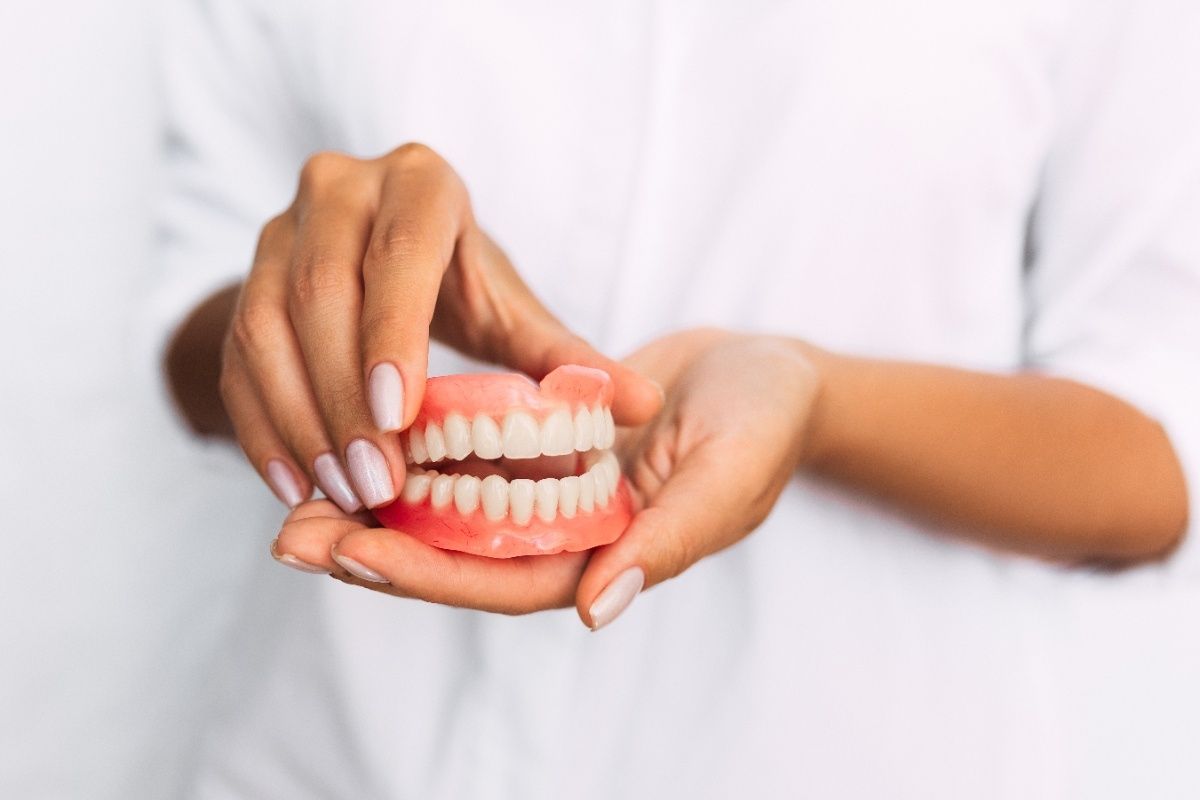
Have you ever taken your dentures out at the end of the day and wondered if you’re cleaning them the right way?
You’re not alone. Millions of Americans rely on dentures to restore their smiles, improve chewing ability, and maintain confidence in everyday life. However, many denture wearers don’t realize that improper cleaning can lead to bad breath, oral infections, gum irritation, denture stains, and even damage to their dentures.
According to the National Institute of Dental and Craniofacial Research (NIDCR), approximately 36 million Americans are missing all of their teeth, and about 120 million people in the United States are missing at least one tooth. Many of these individuals use full or partial dentures as part of their oral health care routine.
While dentures replace missing teeth, they still require daily maintenance. Just like natural teeth, dentures collect bacteria, plaque, food particles, and stains throughout the day. Without proper cleaning, harmful microorganisms can accumulate and affect both oral and overall health.
In this guide, you’ll learn how to clean dentures properly, why denture hygiene matters, common cleaning mistakes to avoid, and the best practices for maintaining healthy gums and a confident smile.
Why Denture Cleaning Matters
Many people assume dentures don’t require much maintenance because they aren’t natural teeth.
In reality, dentures can harbor large amounts of bacteria and fungi if they are not cleaned regularly.
According to the American Dental Association (ADA), denture plaque contains many of the same harmful microorganisms found on natural teeth. These bacteria can contribute to:
- Bad breath
- Gum irritation
- Oral infections
- Denture stomatitis
- Fungal overgrowth
- Difficulty chewing comfortably
Proper denture cleaning helps protect both your oral tissues and your overall well-being.
What Happens If Dentures Aren’t Cleaned Properly?
Poor denture hygiene can lead to several oral health problems.
Denture Stomatitis
One of the most common denture-related conditions is denture stomatitis.
This inflammatory condition causes:
- Redness
- Swelling
- Tenderness
- Irritation beneath the denture
Research published by the National Institutes of Health (NIH) estimates that denture stomatitis affects 15% to 70% of denture wearers, depending on age, hygiene habits, and overall health.
Bad Breath
Food particles trapped beneath dentures create an environment where bacteria thrive.
As bacteria multiply, they release sulfur compounds that contribute to unpleasant breath odors.
Oral Thrush
Poorly cleaned dentures can encourage fungal growth, particularly Candida albicans.
This can lead to:
- White patches
- Soreness
- Burning sensations
- Oral discomfort
Gum Irritation
Accumulated plaque and debris can irritate the soft tissues that support dentures.
This may result in:
- Sore spots
- Inflammation
- Pain while eating
How Often Should Dentures Be Cleaned?
Dentures should be cleaned:
Daily
The ADA recommends cleaning dentures every day to remove plaque, food particles, and bacteria.
A good routine includes:
- Cleaning after meals when possible
- Thorough cleaning before bedtime
- Overnight soaking
Consistency is the key to preventing oral health complications.
Step-by-Step Guide: How To Clean Dentures Properly
Step 1: Remove and Rinse Dentures
After eating, remove your dentures and rinse them under running water.
This helps remove:
- Loose food particles
- Debris
- Surface residue
Use lukewarm water.
Avoid hot water because excessive heat may warp denture materials.
Step 2: Handle Dentures Carefully
Dentures can break if dropped.
Before cleaning:
- Fill the sink with water
- Place a folded towel in the basin
This creates a cushion in case the dentures slip from your hands.
Step 3: Brush Dentures Daily
Brushing removes plaque, stains, and food buildup.
Use:
- A denture brush
- A soft-bristled toothbrush specifically designated for dentures
Clean all surfaces thoroughly, including:
Outer Surfaces
Visible portions of the denture.
Inner Surfaces
Areas that contact the gums.
Clasps and Attachments
For partial dentures, pay special attention to metal components.
What Should You Use to Brush Dentures?
Many people assume regular toothpaste is appropriate.
However, this is a common mistake.
Avoid Regular Toothpaste
Most traditional toothpastes contain abrasive ingredients.
These abrasives can create microscopic scratches on denture surfaces.
Over time, scratches may:
- Harbor bacteria
- Increase staining
- Shorten denture lifespan
Instead, use:
- Denture cleanser
- Mild liquid soap
- Products recommended by your dentist
The ADA specifically advises avoiding abrasive cleaners for dentures.
Step 4: Soak Dentures Overnight
Most dentures should remain moist when not in use.
Allowing dentures to dry out can affect their shape and fit.
Overnight soaking helps:
- Loosen plaque
- Remove stains
- Maintain moisture
- Improve cleanliness
Common soaking solutions include:
- Commercial denture cleansers
- Dentist-recommended soaking products
Always follow the manufacturer’s instructions.
Why Overnight Removal Is Important
Sleeping with dentures may increase oral health risks.
Research published in the Journal of Dental Research found that continuous denture wear is associated with higher rates of denture stomatitis and oral infections.
Removing dentures at night allows:
- Gum tissues to recover
- Improved circulation
- Reduced microbial growth
Many dentists recommend removing dentures for at least six to eight hours daily.
Step 5: Clean Your Mouth Too
Even if you wear full dentures, oral hygiene remains important.
Every day:
Brush Your Gums
Use a soft toothbrush to stimulate circulation.
Clean Your Tongue
Removing bacteria from the tongue helps reduce bad breath.
Brush Your Palate
The roof of the mouth can accumulate microorganisms.
Clean Remaining Teeth
For partial denture wearers, natural teeth still require regular brushing and flossing.
The CDC emphasizes that maintaining oral hygiene helps reduce the risk of oral disease and supports overall health.
Best Denture Cleaning Products
Several products can help maintain denture cleanliness.
Denture Brushes
Specially designed brushes provide better access to denture surfaces.
Effervescent Denture Cleansers
These products dissolve stains and loosen debris.
Antibacterial Soaking Solutions
Some products target odor-causing bacteria.
Ultrasonic Cleaners
These devices use sound waves to assist with denture cleaning.
However, they should complement—not replace—daily brushing.
Common Denture Cleaning Mistakes to Avoid
Using Hot Water
Hot water can distort denture materials and affect fit.
Always use lukewarm water.
Using Bleach
Bleach can damage denture materials and alter color.
It should only be used if specifically recommended by a dental professional.
Skipping Daily Cleaning
Even a single day of neglect allows plaque and bacteria to accumulate.
Daily cleaning is essential.
Sleeping With Dentures Every Night
Continuous wear increases the risk of infection and tissue irritation.
Using Hard-Bristled Brushes
Aggressive brushing can scratch denture surfaces.
Choose soft cleaning tools instead.
How Denture Hygiene Supports Overall Health
Oral health and general health are closely connected.
Research continues to show associations between poor oral hygiene and conditions such as:
- Diabetes
- Heart disease
- Respiratory infections
According to the CDC, maintaining good oral health contributes to overall health and quality of life across all age groups.
Reducing bacterial buildup in the mouth supports a healthier environment throughout the body.
How Often Should Dentures Be Professionally Evaluated?
Regular dental visits remain important even after tooth loss.
The ADA recommends routine examinations to evaluate:
- Denture fit
- Oral tissues
- Signs of infection
- Bone changes
- Oral cancer screening needs
Most patients benefit from dental evaluations every six months.
Signs Your Dentures Need Professional Attention
Schedule an appointment if you notice:
- Persistent bad breath
- Loose-fitting dentures
- Cracks or damage
- Mouth sores
- Pain while chewing
- White patches inside the mouth
- Gum irritation
Prompt evaluation helps prevent complications.
Tips for Keeping Dentures Looking Their Best
Rinse After Meals
Reduce food buildup throughout the day.
Store Properly
Keep dentures in water or a soaking solution when not worn.
Avoid Harsh Chemicals
Only use approved cleaning products.
Maintain Dental Visits
Regular professional care extends denture life.
Follow Manufacturer Guidelines
Different denture materials may require specific care instructions.
Conclusion
Learning how to clean dentures properly is one of the most important steps you can take to protect your oral health. Dentures accumulate plaque, bacteria, fungi, and food particles just like natural teeth. Without daily cleaning, these contaminants can contribute to bad breath, gum irritation, oral infections, and denture-related complications.
A simple routine that includes brushing dentures daily, soaking them overnight, cleaning oral tissues, and attending regular dental checkups can significantly improve comfort, appearance, and long-term oral health. Proper denture maintenance not only helps preserve your prosthetic appliance but also supports healthier gums, fresher breath, and a better quality of life.
Whether you’re new to dentures or have worn them for years, developing consistent cleaning habits is one of the best investments you can make in your smile and overall well-being.
Frequently Asked Questions
1. How often should dentures be cleaned?
Dentures should be cleaned every day and rinsed after meals whenever possible.
2. Can I use regular toothpaste on dentures?
No. Most regular toothpastes are abrasive and may scratch denture surfaces. Use products specifically designed for denture care.
3. Should dentures be removed at night?
Yes. Most dentists recommend removing dentures for at least six to eight hours daily, usually while sleeping.
4. What happens if I don’t clean my dentures?
Poor denture hygiene can lead to bad breath, oral infections, denture stomatitis, fungal growth, and gum irritation.
5. How often should denture wearers visit the dentist?
Routine dental evaluations are generally recommended every six months or as advised by your dental provider.