Book Online

What Should You Do If You Lose Dental Crowns?
Imagine biting into your favorite meal in Carrollton, TX, when you suddenly feel something hard come loose in your mouth. You spit it out and realize that your dental crown has fallen off. Should you put it back yourself? Is it safe to continue eating? Could the exposed tooth become damaged if you wait too long to see a dentist?
Losing a dental crown can be unexpected and uncomfortable, especially when the underlying tooth becomes sensitive to hot, cold, or pressure. Although a missing crown is not always a medical emergency, it should never be ignored. The tooth underneath may have limited protection, and delaying treatment can increase the risk of further damage.
For patients in Carrollton, TX, knowing how to respond can keep an inconvenient dental problem from becoming more complicated. Whether your crown has fallen out while eating, loosened over time, or broken unexpectedly, taking the right steps matters.
At iO Dentistry Carrollton, Dr. Kim Ly Nguyen helps patients understand their restorative dental options and the importance of protecting damaged or previously treated teeth. In this guide, we explain what to do when you lose a dental crown, why crowns sometimes fall out, when to seek urgent dental care, and how your dentist can restore the affected tooth.
What Happens When a Dental Crown Falls Out?
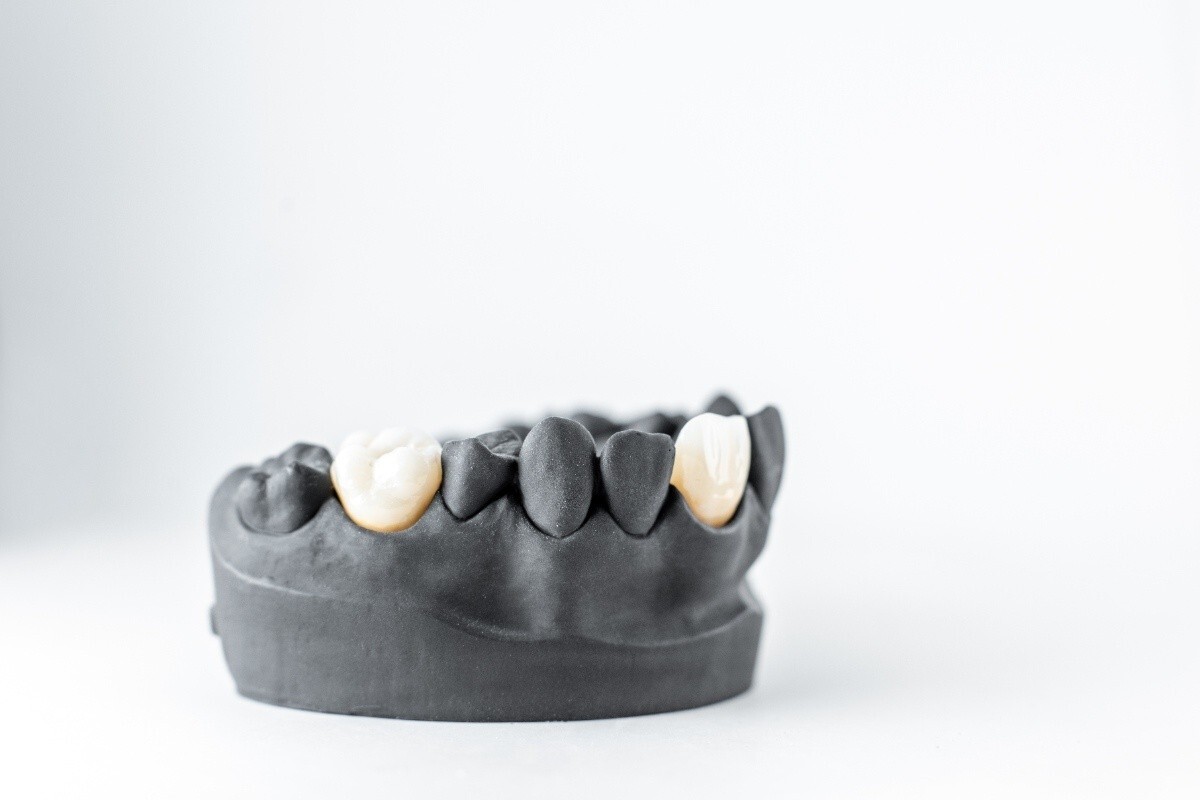
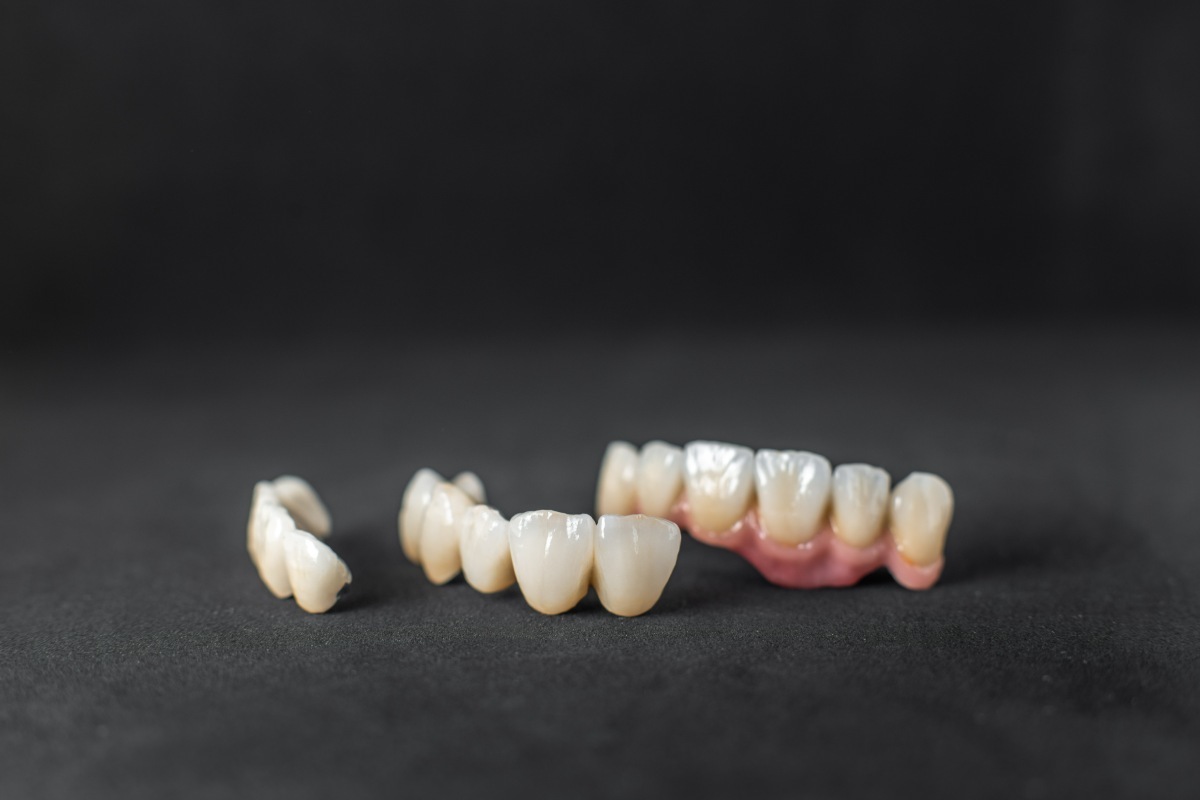
A dental crown is a custom-made restoration that covers a damaged, weakened, or extensively restored tooth. It helps restore the tooth’s shape, strength, and ability to withstand normal chewing forces.
Crowns are commonly recommended after root canal treatment, extensive tooth decay, large fillings, or fractures that compromise the remaining tooth structure.
When a crown comes loose or falls out, the underlying tooth may become exposed. Depending on its condition, you might notice:
- Sensitivity to hot and cold foods or beverages.
- Discomfort when biting or chewing.
- A rough or sharp surface where the crown was attached.
- Food collecting around the exposed tooth.
- A visible change in the tooth’s appearance.
- Discomfort caused by pressure on the remaining tooth structure.
Sometimes, the crown comes off without causing pain. However, a painless missing crown does not necessarily mean the underlying tooth is healthy.
The exposed tooth may have weakened enamel, an existing restoration, or damage that requires prompt attention. So, contact your dentist even if you feel comfortable.
What Should You Do Immediately After Losing a Dental Crown?
Knowing what to do immediately after losing a crown can help protect the affected tooth until you receive professional dental care.
1. Find and Safely Retrieve the Crown
If your crown falls out while eating or brushing, carefully retrieve it if possible.
Hold it gently and inspect it for visible cracks, broken edges, or missing pieces. Avoid aggressive cleaning or scraping away hardened material.
Place the crown in a small, clean container or plastic bag and bring it to your dental appointment.
Your dentist may be able to reuse the original crown if it is intact and still fits properly. However, a damaged or poorly fitting crown may need to be replaced.
2. Rinse Your Mouth Gently
After losing a crown, rinse your mouth with lukewarm water to remove food particles and debris.
If the exposed tooth feels sensitive, avoid using extremely hot or cold water. Gentle rinsing helps keep the area clean without unnecessary discomfort.
Do not brush the exposed area aggressively. Use a soft-bristled toothbrush and clean around the affected tooth carefully.
3. Protect the Exposed Tooth
Without its crown, the remaining tooth may be more vulnerable to chewing pressure and temperature changes.
Try to avoid biting directly on the affected side. Choose softer foods, and avoid sticky, crunchy, or hard items that could damage the tooth.
If the exposed surface feels sharp, temporary dental wax may help protect your cheek or tongue until your appointment.
4. Contact Your Dentist Promptly
Even if you do not experience pain, contact your dental office as soon as possible.
Explain when the crown came off, whether the tooth hurts, and whether you noticed any cracks or broken pieces. This information helps the dental team understand your situation and determine how urgently you need an appointment.
At iO Dentistry Carrollton, Dr. Kim Ly Nguyen can evaluate the affected tooth and discuss appropriate treatment options.
5. Avoid Household Glues and Permanent Adhesives
Never use superglue, craft glue, or household adhesives to reattach a dental crown.
These products are not designed for use inside the mouth and may damage oral tissues or complicate professional treatment.
If the crown is intact and you have no pain or signs of infection, you an sometimes use an over-the-counter temporary dental crown cement according to the package directions while waiting for professional care. However, it is not a substitute for dental treatment.
Do not try to force a crown back into place, especially if it does not fit comfortably.
Why Do Dental Crowns Fall Out?
Dental crowns are designed to provide long-term protection, but they are not permanent restorations. Several factors can weaken the connection between a crown and the underlying tooth.
Understanding the possible causes can help you reduce the likelihood of experiencing the same problem again.
1. Worn or Weakened Dental Cement
Dental cement holds the crown in position. Over time, normal chewing forces, changes in the underlying tooth, or cement deterioration may weaken the bond.
When this happens, the crown may gradually become loose before eventually falling out.
You might notice movement when chewing or a change in how your teeth come together. If you notice these symptoms, schedule a dental examination rather than waiting for the crown to detach completely.
2. Tooth Decay Beneath the Crown
A crown protects the visible part of a tooth, but it doesn’t make the tooth immune to cavities.
Bacteria can accumulate around the crown margins, particularly when plaque remains along the gumline. If decay develops beneath or around the restoration, it may weaken the tooth and interfere with the crown’s fit.
The CDC’s 2024 Oral Health Surveillance Report found that 20.5% of U.S. adults aged 20–64 had at least one untreated cavity in the permanent teeth. This highlights the importance of monitoring natural teeth, including those protected by restorations.
3. Grinding or Clenching Your Teeth
Bruxism, commonly known as teeth grinding, places repeated pressure on teeth and dental restorations.
People who grind their teeth during sleep may not realize how much force they apply. Over time, this pressure can contribute to cracked crowns, damaged underlying teeth, or loosening of restorations.
If you regularly wake up with jaw soreness, headaches, or tooth sensitivity, talk to your dentist about these symptoms.
A custom night guard may help protect your teeth and restorations from excessive grinding forces.
4. Eating Hard or Sticky Foods
Certain foods can place unnecessary stress on dental crowns.
Hard candies, ice, popcorn kernels, and very tough foods may contribute to cracks or damage. Sticky foods, including caramel and chewing gum, can sometimes pull on an existing loose restoration.
This does not mean you must avoid every firm food after receiving a crown. However, chewing carefully and avoiding habits such as biting ice can help protect your restoration.
5. Cracks or Structural Damage in the Underlying Tooth
Sometimes, the problem is not the crown itself but the tooth supporting it.
A previously treated tooth may develop cracks or additional structural damage. If the remaining tooth structure becomes compromised, the crown may no longer have enough support to stay securely attached.
Your dentist must evaluate both the restoration and the underlying tooth before deciding whether the original crown can be reused.
Is Losing a Dental Crown a Dental Emergency?
A lost dental crown generally requires prompt dental attention, but the urgency depends on the condition of the exposed tooth and your symptoms.
For example, a crown that falls out without pain may not require emergency care at a hospital. However, it should still be assessed promptly to reduce the risk of additional damage.
Certain symptoms indicate that you should seek urgent dental evaluation.
Contact a dentist promptly
- The crown has fallen out completely.
- The exposed tooth is sensitive.
- You experience discomfort when chewing.
- The crown is loose or moving.
- The remaining tooth has a sharp or broken edge.
Seek emergency medical attention. - You have difficulty breathing or swallowing.
- You develop rapidly increasing facial or neck swelling.
- You experience uncontrolled bleeding or severe facial trauma.
- You suspect that the crown has entered your airway and are having breathing difficulties.
A missing crown accompanied by severe pain, swelling, pus, or fever also needs urgent dental assessment. If you suspect you inhaled the crown, seek immediate medical evaluation.
Can a Lost Dental Crown Be Reattached?
In many situations, a crown can be reattached if it is structurally intact and the underlying tooth remains healthy.
However, reattachment is not appropriate in every case. Your dentist must first determine why the crown came off and whether the existing restoration still fits correctly.
There are several possible outcomes.
Recementing the Original Crown
If the crown is undamaged and there is no significant decay or structural damage underneath, your dentist may clean the restoration and tooth, then secure the crown again with appropriate dental cement.
This may be a relatively straightforward procedure when the original crown remains suitable.
Repairing or Replacing the Crown
If the crown is cracked, worn, or no longer fits properly, you may need a replacement.
Your dentist may take dental impressions or digital scans to create a new custom restoration that fits the prepared tooth.
The material selected may depend on the tooth’s location, chewing forces, appearance, and individual dental needs.
Treating the Underlying Tooth
If decay, infection, or a fracture is discovered beneath the crown, the underlying problem must be addressed before another restoration is placed.
Treatment may involve removing decay, rebuilding the tooth, performing root canal treatment, or considering extraction when the tooth cannot be saved.
The goal isn’t simply to replace the crown. It is to restore the tooth safely and provide appropriate long-term protection.
What Happens During a Dental Appointment for a Lost Crown?
When you visit a dentist after losing a crown, the priority is understanding the condition of the remaining tooth.
At iO Dentistry Carrollton, Dr. Kim Ly Nguyen can assess the affected area and explain the available restorative options.
A typical evaluation may involve the following steps.
Step 1: Examination of the Exposed Tooth
Your dentist examines the remaining tooth structure, gum tissue, and crown margins.
The examination helps identify visible fractures, decay, inflammation, or other problems that may have caused the crown to loosen.
Step 2: Dental Imaging When Necessary
Dental X-rays may reveal problems not visible during a routine examination.
For example, imaging may help identify decay beneath a restoration, changes around a tooth root, or other underlying concerns.
Step 3: Checking the Original Crown
If you bring the crown to your appointment, your dentist can inspect it for cracks, damage, and changes in fit.
An intact crown may be suitable for reuse, while a damaged one may need replacement.
Step 4: Discussing the Appropriate Treatment
After evaluating the tooth and restoration, your dentist can explain whether recementing, repair, replacement, or additional treatment is appropriate.
You should also receive information about the expected treatment process, costs, and follow-up care.
How Long Do Dental Crowns Usually Last?
Dental crowns can last many years, but their lifespan depends on several factors, including the material, oral hygiene, bite forces, and the condition of the underlying tooth.
A systematic review published in The Journal of Dentistry evaluated crowns placed on root canal-treated teeth. It reported an estimated 10-year survival rate of 81% for crowned root canal-treated teeth, compared with 63% for those restored with direct restorations in the included studies. These findings apply to the specific population and studies reviewed, not every type of dental crown.
This research illustrates the value of appropriate restoration after root canal treatment, but it does not mean that every crown will last ten years or longer.
Regular examinations can help your dentist identify problems before a crown becomes loose or fails.
How Can You Prevent Losing a Dental Crown Again?
Although no restoration lasts forever, good oral care and a few practical habits can help reduce the risk of crown damage or loosening.
- Brush twice daily: Use fluoride toothpaste and a soft-bristled toothbrush.
- Floss every day: Clean carefully around crown margins to remove plaque and food particles.
- Avoid chewing ice: Hard objects can damage both natural teeth and restorations.
- Address teeth grinding: Ask your dentist whether a custom night guard is appropriate.
- Attend regular dental visits: Professional examinations help monitor the condition of crowns and underlying teeth.
- Treat dental discomfort early: Do not ignore sensitivity, movement, or changes in your bite.
Pay particular attention to the gumline around your crown. Plaque accumulation in this area can contribute to gum inflammation and decay near the restoration.
Your dentist can also recommend cleaning techniques and products suited to your specific restoration.
Why Choose iO Dentistry Carrollton for Dental Crown Care?
A missing dental crown can affect your ability to chew comfortably and protect the remaining tooth. Getting the right evaluation matters, especially if the crown has fallen out due to decay, damage, or an underlying dental problem.
At iO Dentistry Carrollton, Dr. Kim Ly Nguyen can evaluate your dental condition and discuss suitable restorative treatment options.
Whether your crown needs to be reattached, repaired, or replaced, understanding the underlying tooth’s condition helps determine the right next step.
Patients in Carrollton, TX, can discuss concerns such as loose crowns, broken restorations, tooth sensitivity, and damaged teeth during a dental appointment.
If you have recently lost a dental crown, do not leave the exposed tooth unprotected for an extended period.
Conclusion
Losing a dental crown can be stressful, but taking the right steps can help prevent additional dental problems. If possible, retrieve the crown, rinse your mouth gently, avoid chewing on the affected side, and contact your dentist promptly.
A crown that falls out may sometimes be reattached, while other situations require a replacement or treatment of the underlying tooth. The right solution depends on whether the crown is damaged and whether decay, cracks, or other complications have developed.
At iO Dentistry Carrollton, Dr. Kim Ly Nguyen can examine your tooth and explain appropriate treatment options to help restore its protection and function.
If you have lost a dental crown or noticed that an existing restoration feels loose, visit our dental practice in Carrollton, TX. Book now to schedule your appointment with our team.
Frequently Asked Questions
1. What dental services can I receive at iO Dentistry Carrollton?
Patients can discuss preventive, general, cosmetic, and restorative dental needs with our dentist. Our dentist can examine your teeth and gums, identify dental concerns, and recommend appropriate treatment options based on your oral health.
2. How often should I visit the dentist for routine examinations?
Many patients benefit from dental examinations and professional cleanings every six months. However, our dentist may recommend a different schedule depending on your dental history, gum health, and risk of developing cavities.
3. What should I expect during my first dental appointment?
Your first visit generally includes a discussion of your dental history, current concerns, and treatment goals. Our dentist may examine your teeth and gums and recommend dental imaging when necessary to evaluate your oral health.
4. Can I visit the practice if I have a broken or missing dental restoration?
Yes. Contact the practice and explain your symptoms when a crown, filling, or other restoration becomes damaged or falls out. Our dentist can evaluate the affected area and discuss appropriate treatment options.
5. How can I maintain my dental restorations after treatment?
Brush twice daily with fluoride toothpaste, floss every day, avoid chewing hard objects, and attend regular dental examinations. Our dentist can recommend additional preventive measures to help protect your restorations.