Request an Appointment

What Happens If You Never Remove Your Dentures?
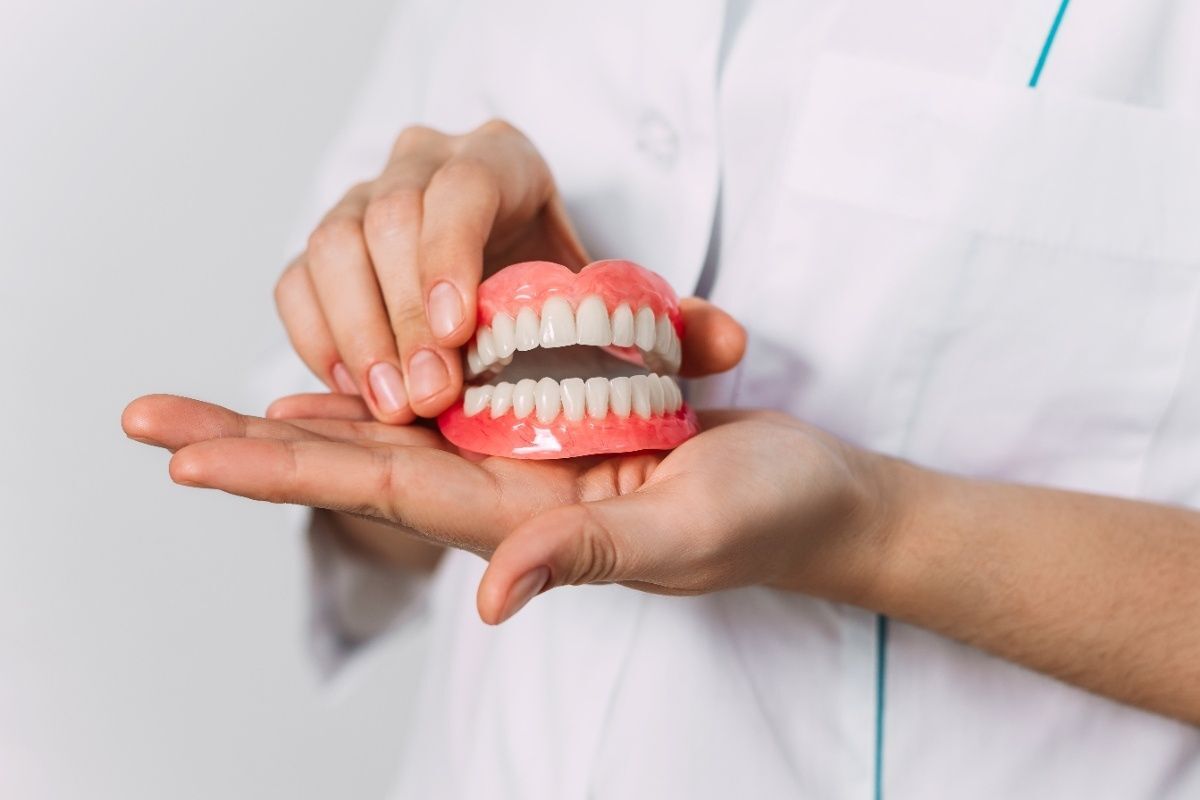
Dentures restore more than just your smile—they help you eat, speak, and enjoy daily life with greater confidence. Whether you wear full or partial dentures, it’s natural to appreciate the convenience they provide. But one question many denture wearers ask is: “Do I really have to remove my dentures every night?”
While it may seem harmless to leave dentures in around the clock, dentists strongly recommend removing them for several hours each day, especially while sleeping. Wearing dentures continuously may increase your risk of gum irritation, fungal infections, bad breath, denture stomatitis, and even accelerated bone loss over time. Giving your gums and supporting tissues time to rest is an important part of maintaining both your dentures and your oral health.
According to the American College of Prosthodontists (ACP), approximately 36 million Americans are edentulous (missing all of their natural teeth), and about 120 million people in the United States are missing at least one tooth. As the population ages, millions of adults rely on removable dentures every day. Research published in the Journal of Prosthetic Dentistry and other peer-reviewed journals has found that continuous denture wear—particularly overnight—can significantly increase the risk of oral inflammation and fungal infections. The American Dental Association (ADA) also recommends cleaning dentures daily and removing them overnight to allow oral tissues to recover.
In this guide, you’ll learn what happens if dentures are never removed, why overnight removal matters, the potential health risks, and the best practices for keeping your dentures comfortable, functional, and long-lasting.
Why Dentures Need to Be Removed
Dentures sit directly on the gums and oral tissues for many hours every day.
Removing them allows:
- Gum tissues to recover
- Saliva to naturally cleanse the mouth
- Blood circulation to improve
- Oral tissues to breathe
- Dentures to be thoroughly cleaned
Just as your feet benefit from removing shoes after a long day, your gums benefit from a break from denture pressure.
Denture Use by the Numbers
Denture wear remains common throughout the United States.
Important statistics include:
- According to the American College of Prosthodontists (ACP), approximately 36 million Americans have lost all of their natural teeth, and about 120 million are missing at least one tooth.
- The Centers for Disease Control and Prevention (CDC) reports that complete tooth loss becomes increasingly common with age, especially among older adults.
- Studies published in the Journal of Prosthetic Dentistry show that overnight denture wear significantly increases the risk of denture stomatitis.
- Research estimates that denture stomatitis affects between 15% and 70% of denture wearers, depending on age, denture hygiene, and wearing habits.
- The American Dental Association (ADA) recommends removing dentures daily for cleaning and allowing oral tissues adequate rest.
These findings reinforce the importance of good denture hygiene and regular dental care.
What Happens If You Never Remove Your Dentures?
1. Increased Risk of Denture Stomatitis
One of the most common complications is denture stomatitis, an inflammation of the tissues beneath the denture.
Symptoms include:
- Redness
- Swelling
- Tenderness
- Burning sensation
In many cases, the condition develops without significant pain, making routine dental examinations important.
2. Fungal Infections
Warm, moist environments beneath dentures encourage the growth of Candida albicans, a naturally occurring fungus.
Continuous denture wear increases the risk of:
- Oral thrush
- White patches
- Soreness
- Cracking at the corners of the mouth
Daily cleaning and overnight removal help reduce fungal growth.
3. Gum Irritation
Constant pressure on the gums may lead to:
- Soreness
- Pressure spots
- Ulcers
- Tissue inflammation
Removing dentures each night allows irritated tissues time to recover.
4. Bad Breath
Food particles and bacteria trapped beneath dentures can contribute to unpleasant breath.
Without proper cleaning, plaque accumulates on denture surfaces, increasing bacterial growth and odor.
5. Increased Plaque and Biofilm
Dentures develop bacterial biofilm just like natural teeth.
If not cleaned daily, this buildup may contribute to:
- Gum inflammation
- Fungal infections
- Staining
- Unpleasant taste
Regular cleaning is essential for oral health.
6. Accelerated Bone Loss
After tooth loss, the jawbone naturally shrinks over time because it no longer receives stimulation from tooth roots.
Ill-fitting dentures worn continuously may increase pressure on the underlying bone and soft tissues, contributing to changes in denture fit.
Although bone loss is a normal process after tooth loss, routine dental visits help ensure dentures continue to fit properly as the jaw changes.
7. Poor Denture Fit Over Time
As the gums and jawbone change, dentures may become:
- Loose
- Unstable
- Uncomfortable
Poorly fitting dentures may:
- Rub against the gums
- Reduce chewing efficiency
- Increase sore spots
Your trusted local Carrollton dentist may recommend relining or replacing dentures when necessary.
Can Sleeping With Dentures Affect Overall Health?
Research suggests that wearing dentures overnight may have effects beyond the mouth.
Some studies have reported an association between overnight denture wear and an increased risk of respiratory infections in certain older adults, likely because oral bacteria may be aspirated during sleep.
While more research continues, maintaining excellent denture hygiene remains an important part of supporting overall health.
How Long Should Dentures Be Removed Each Day?
Most dentists recommend removing dentures for at least six to eight hours every day, typically while sleeping.
This allows:
- Tissue recovery
- Better circulation
- Thorough denture cleaning
- Reduced bacterial growth
Your dentist may recommend a different schedule depending on your individual needs.
Proper Denture Care Routine
Daily care helps extend the life of your dentures and protect your oral tissues.
Recommended steps include:
Clean Dentures Every Day
Brush dentures using:
- A soft denture brush
- Non-abrasive denture cleanser
Avoid regular toothpaste, which may scratch denture materials.
Soak Dentures Overnight
Most removable dentures should be stored in water or a denture-soaking solution overnight to prevent drying and warping.
Always follow your dentist’s instructions for your specific appliance.
Clean Your Mouth
Even without natural teeth, you should gently brush:
- Gums
- Tongue
- Roof of the mouth
This removes bacteria and stimulates circulation.
Rinse Before Reinserting
Always rinse dentures thoroughly before placing them back in your mouth, especially after soaking.
Signs Your Dentures Need Professional Attention
Schedule a dental appointment if you notice:
- Persistent sore spots
- Loose dentures
- Difficulty chewing
- Clicking while speaking
- Cracks in the denture
- Persistent bad breath
- White or red patches beneath the denture
Ignoring these symptoms can lead to more significant oral health problems.
Benefits of Removing Dentures at Night
Removing dentures daily offers several important benefits.
These include:
- Reduced infection risk
- Healthier gum tissue
- Improved comfort
- Better denture longevity
- Reduced odor
- Easier cleaning
- Better oral health
A few hours without dentures each day can make a significant difference over the long term.
Common Myths About Denture Wear
Myth 1: Dentures Can Stay In 24 Hours a Day
Fact: Dentists recommend removing dentures daily to allow oral tissues to recover and to reduce infection risk.
Myth 2: Dentures Don’t Need Cleaning
Fact: Dentures accumulate plaque, bacteria, and food debris just like natural teeth.
Myth 3: If Dentures Feel Comfortable, They’re Fine Forever
Fact: Jawbone changes continue throughout life, making periodic adjustments or replacements necessary.
When Should You Visit Your Dentist?
Regular dental visits remain important even if you no longer have natural teeth.
Your dentist checks for:
- Denture fit
- Oral cancer
- Gum health
- Bone changes
- Signs of infection
- Needed adjustments
Routine evaluations help keep dentures comfortable and functional.
Conclusion
Dentures can dramatically improve your quality of life, but they require proper care to continue functioning comfortably and safely. Wearing dentures continuously without removing them can increase the risk of gum irritation, fungal infections, bad breath, denture stomatitis, and changes in denture fit over time. Fortunately, these problems are often preventable with good daily habits.
Removing your dentures each night, cleaning them thoroughly, soaking them as recommended, and maintaining regular dental checkups are simple steps that help protect both your oral health and your investment. By following your dentist’s instructions and addressing any changes in fit or comfort promptly, you can enjoy healthy gums, better denture performance, and a confident smile for years to come.
Frequently Asked Questions
1. Is it bad to wear dentures all the time?
Yes. Wearing dentures continuously without removing them may increase the risk of gum irritation, fungal infections, denture stomatitis, and plaque buildup. Most dentists recommend removing them overnight.
2. How long should dentures be out each day?
Most dental professionals recommend removing dentures for at least six to eight hours daily, usually while you sleep, to allow the gums and supporting tissues to rest.
3. Can sleeping with dentures cause infections?
It can increase the risk of fungal infections such as denture stomatitis because moisture and bacteria become trapped beneath the denture during prolonged wear.
4. Do I still need to clean my mouth if I wear full dentures?
Yes. Gently brushing your gums, tongue, and the roof of your mouth each day helps remove bacteria, stimulate circulation, and maintain healthy oral tissues.
5. How often should dentures be replaced?
The lifespan of dentures varies, but many require adjustment, relining, or replacement every five to ten years because of normal wear and gradual changes in the jawbone and gum tissues.